In Carmel-by-the-Sea, no two homes feel alike. You might stroll past a whimsical cottage, turn the corner, and find a glass-forward coastal retreat designed for ocean views. If you want to buy or sell here, understanding architecture styles helps you see value that others might miss. This guide shows you how to spot Carmel’s most common home styles, what those features mean for maintenance and inspections, and how style influences market appeal. Let’s dive in.
Quick guide to Carmel styles
Storybook cottages
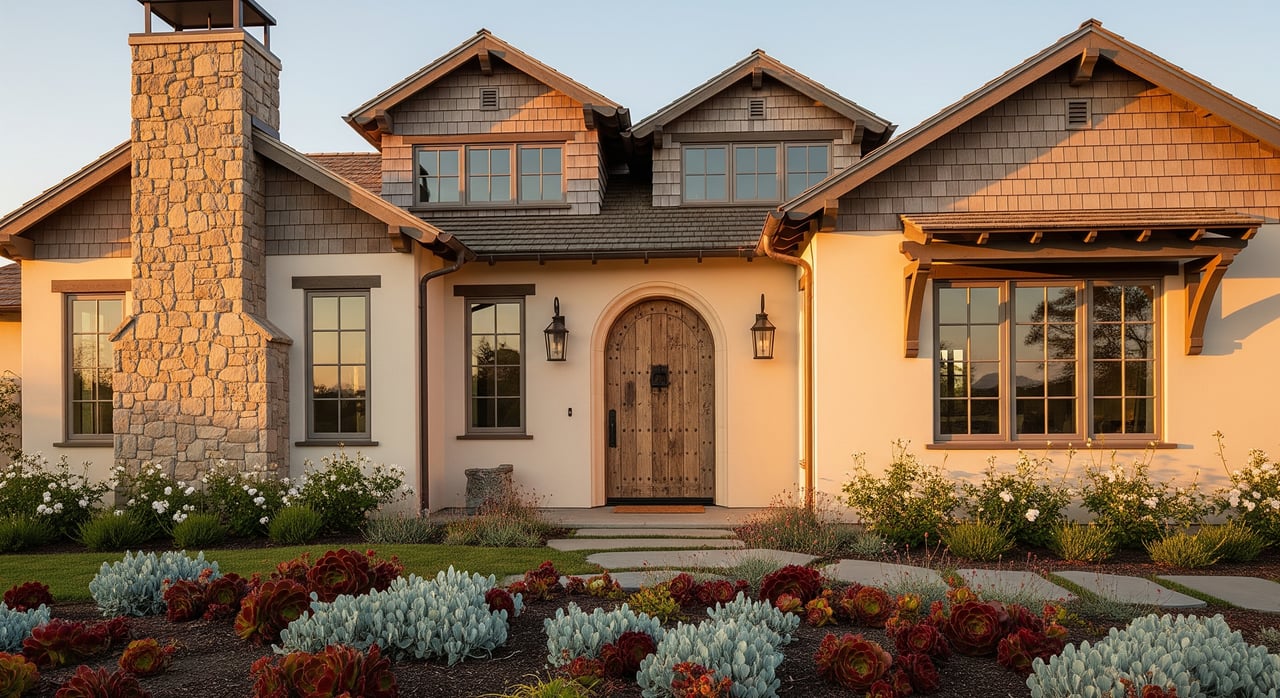
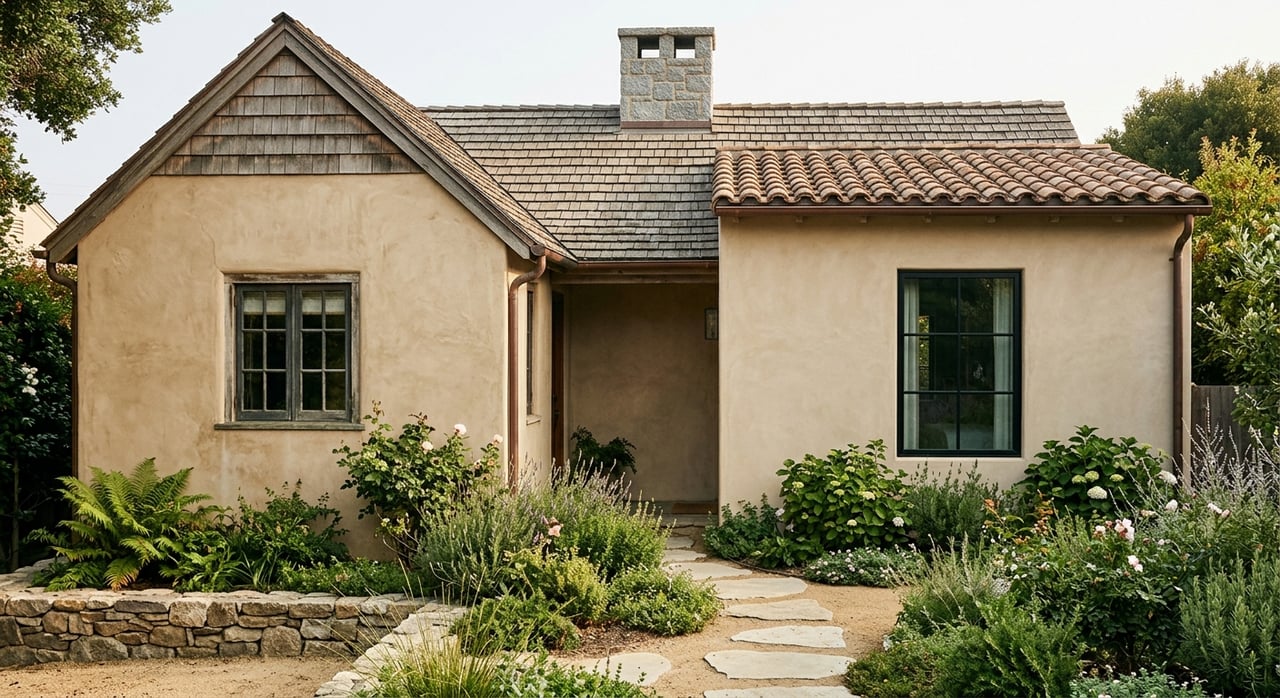
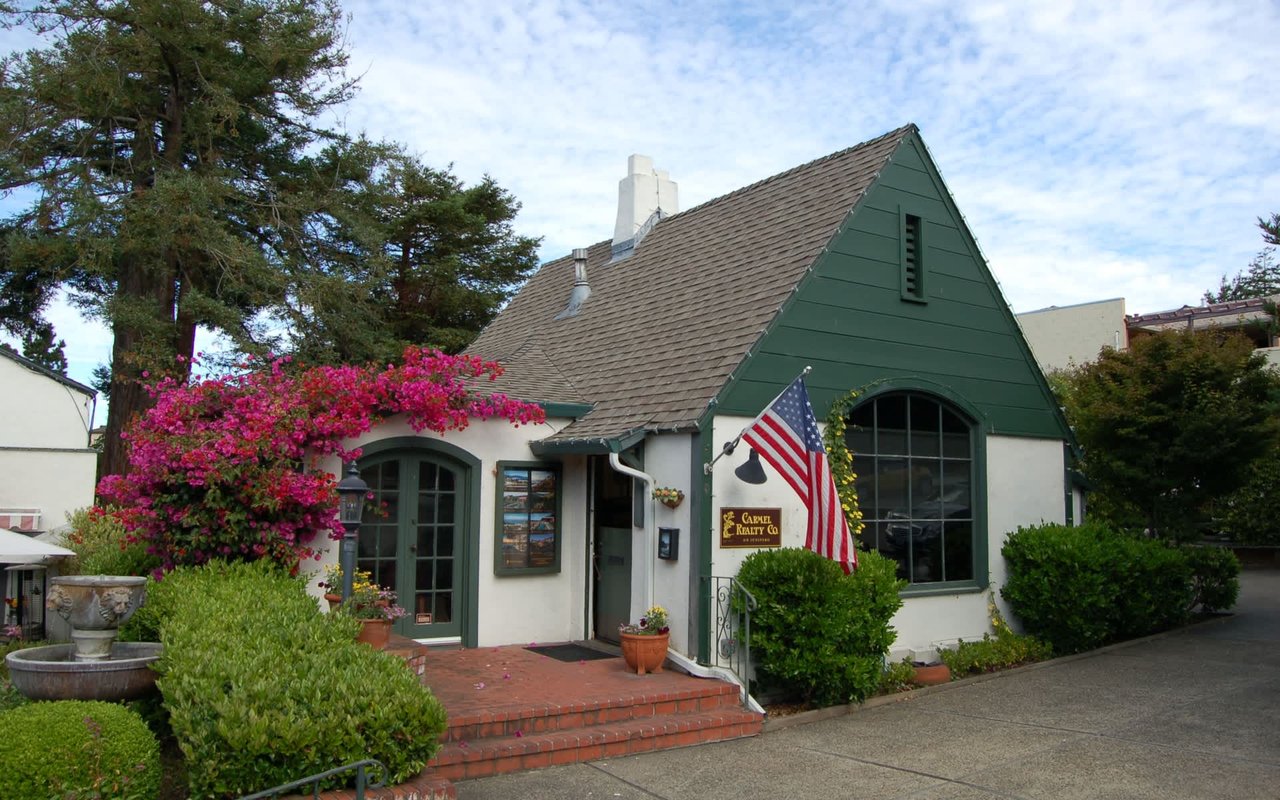
These are the iconic Carmel homes many people imagine. You will notice steep, uneven rooflines with wood shakes, small leaded or multi-pane windows, and arched or low doorways. Many have exposed timber accents and stone or rough stucco. Inside, you may find low ceilings in places, hearth-focused living rooms, built-ins, and irregular floor plans. Wood shakes and cedar or redwood details need steady care in the coastal climate.
Craftsman and California Bungalow
Look for low-pitched gable roofs, wide eaves with exposed rafters, and tapered porch columns on masonry piers. Windows often show multi panes over single panes. Interiors favor natural woodwork, built-in benches and cabinetry, and cozy floor plans centered on a fireplace. Traditional wood trim needs consistent repainting or staining to perform well near the coast.
Spanish Colonial Revival and Mission Revival
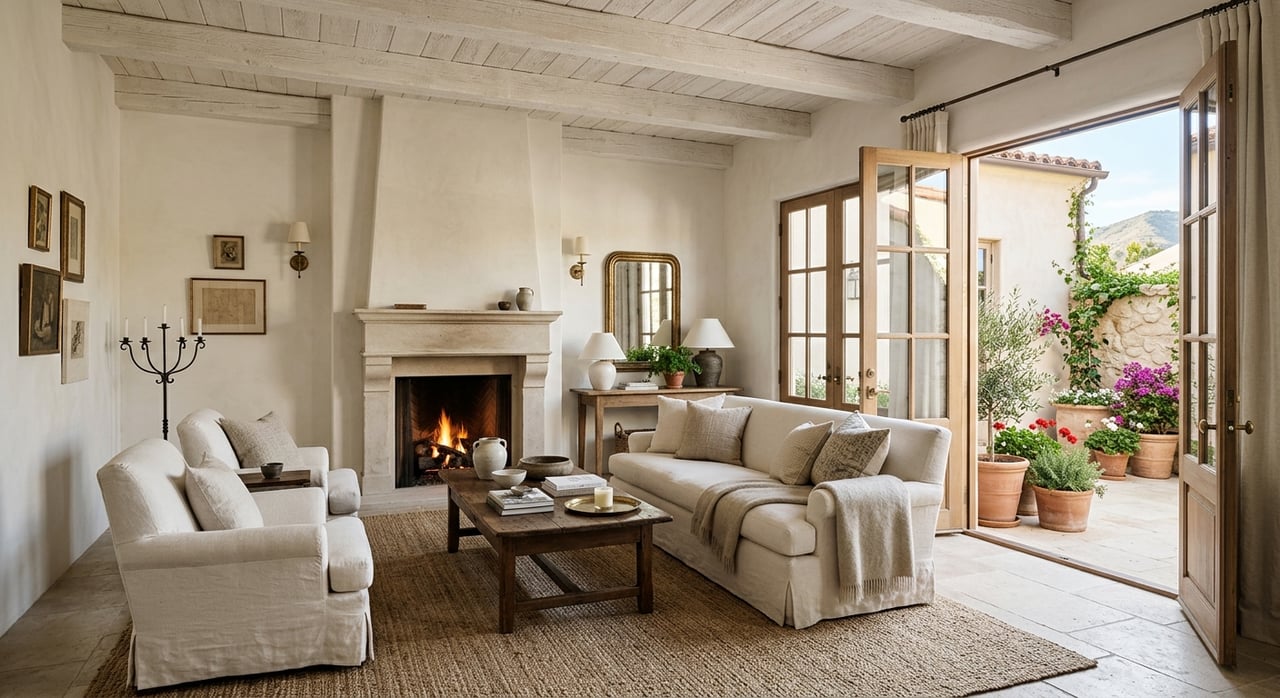
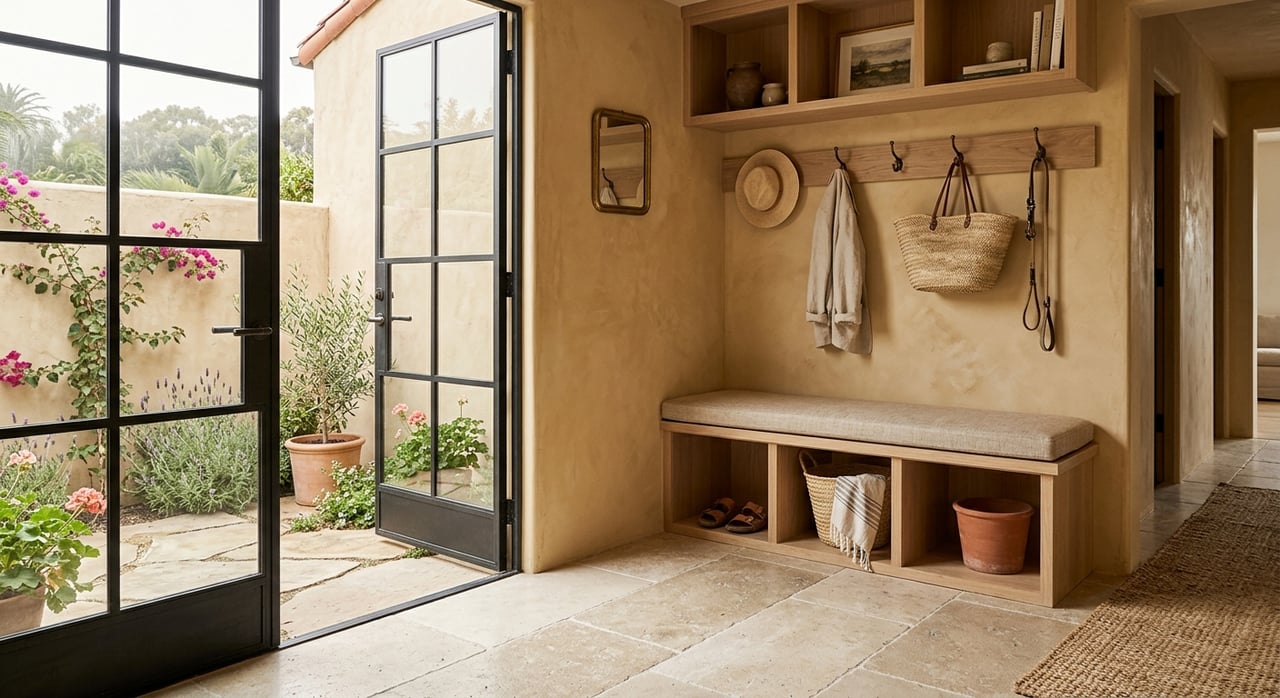
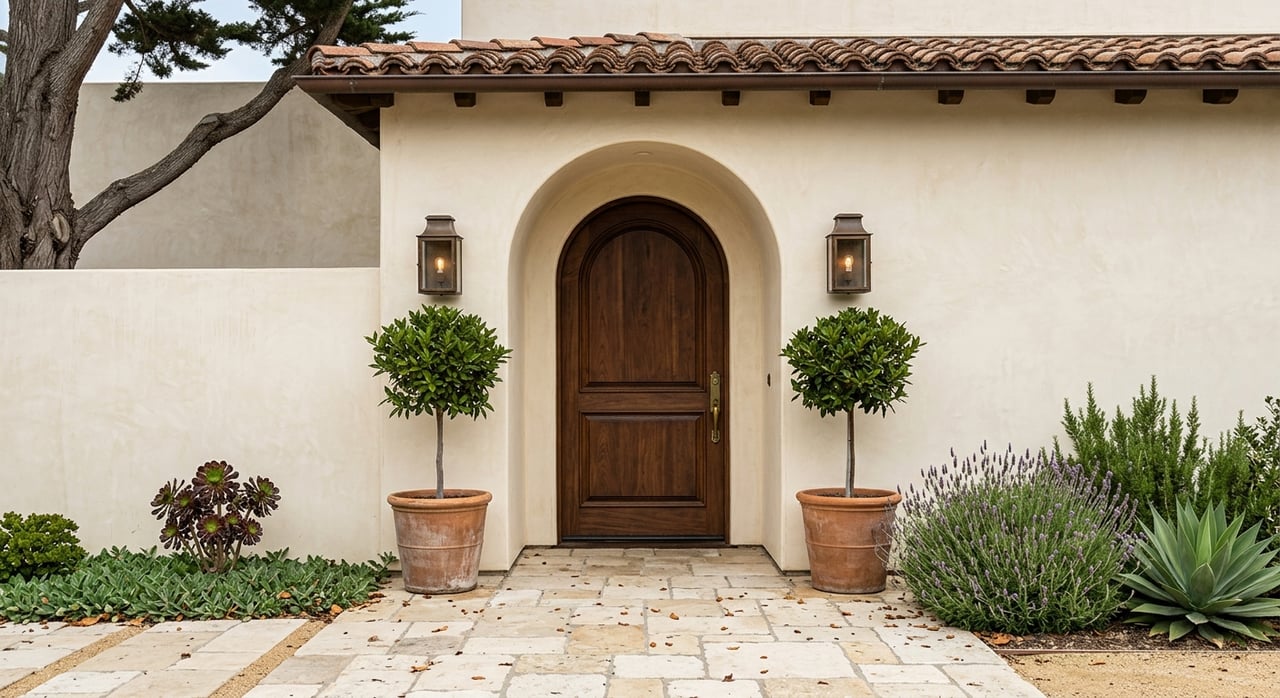
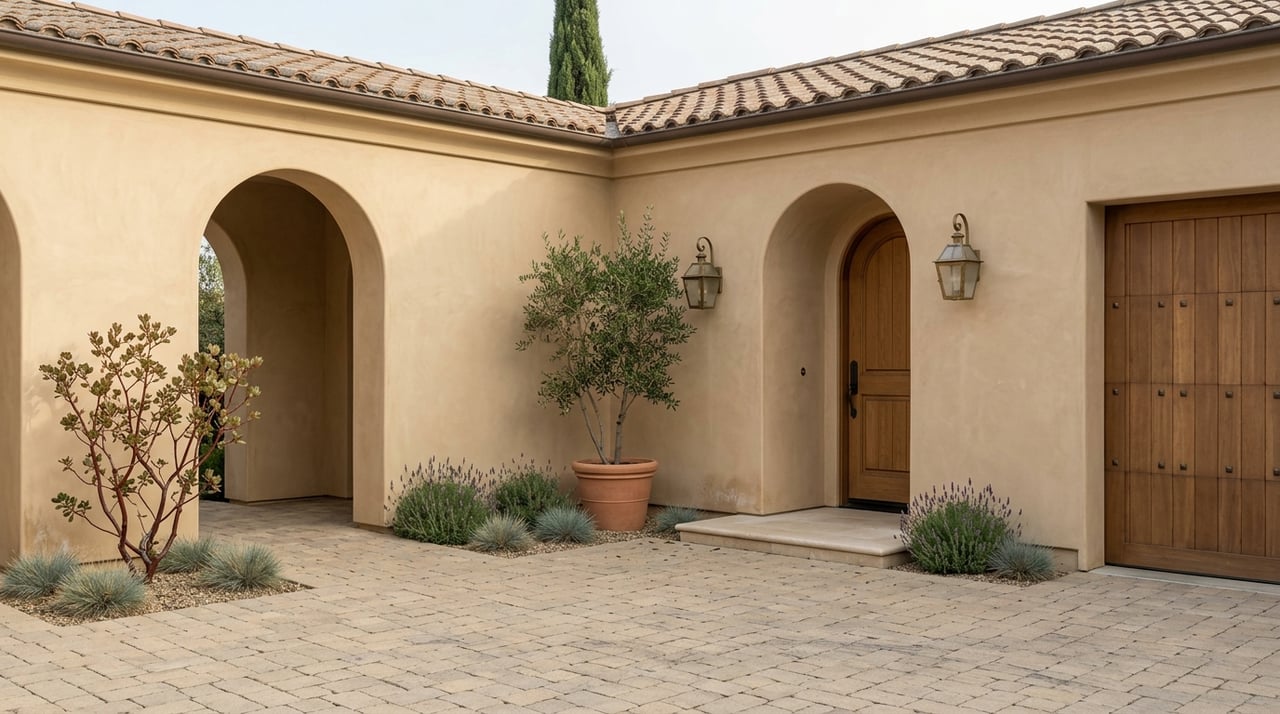
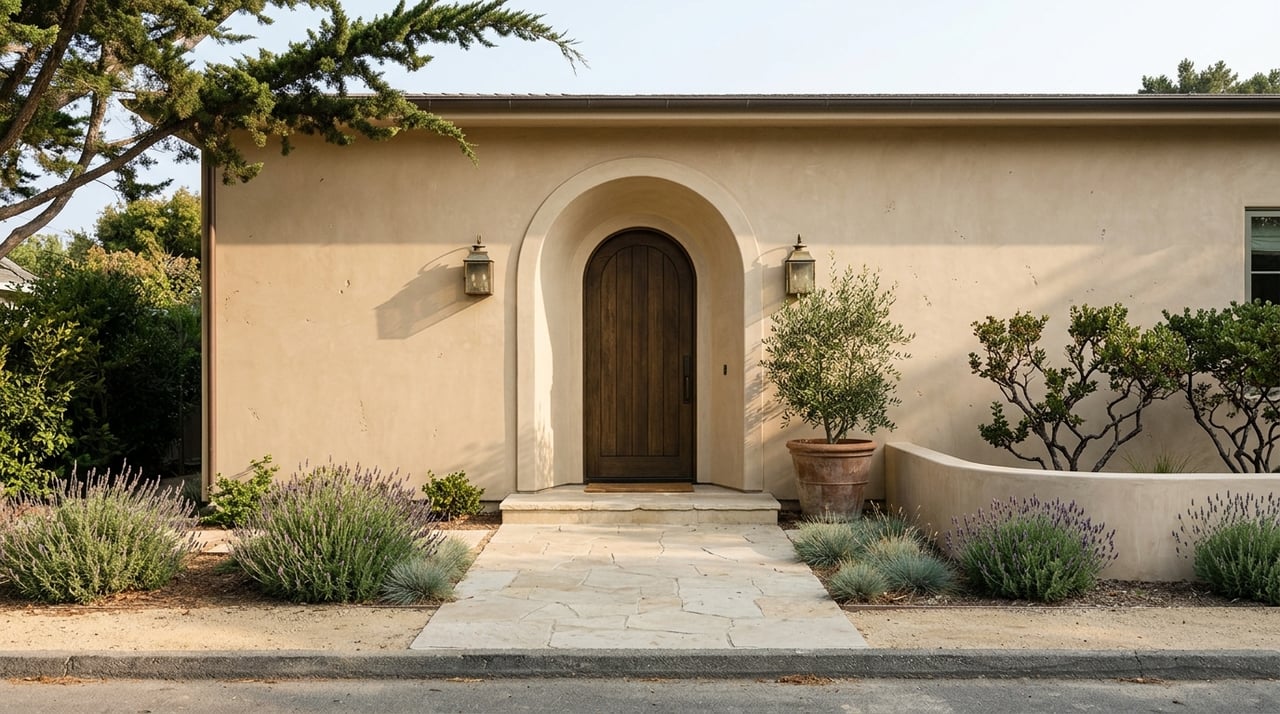
These homes feature smooth stucco walls, red clay tile roofs, and archways that often open to courtyards. Inside, you may see plaster walls, saltillo or ceramic tile floors, arched openings, and heavy wood doors and beams. Plan on checking stucco for cracking and the tile roof underlayment for age and flashing integrity.
Monterey and Monterey Revival
This California hybrid often shows a two-story form with a second-story wood balcony. You will see low-pitched gables or hipped roofs, stucco or wood siding, and simple, rectangular room layouts. In our climate, balcony flashing and deck waterproofing are key inspection points.
English and Tudor Revival
Expect steeply pitched roofs, cross gables, decorative half-timbering, and tall, narrow windows. Interiors often include exposed beams and plaster walls anchored by a substantial fireplace. Timber and stucco details can be moisture sensitive, so look closely at trim and transitions.
Mediterranean and Italianate influences
These homes overlap with Spanish Revival but may show more symmetrical forms, arched window sets, ornamental metalwork, or delicate columns. Stucco and tile dominate the materials palette. Maintenance mirrors Spanish Revival, with stucco crack management and tile roof underlayment care at the top of the list.
Mid-century modern and contemporary coastal
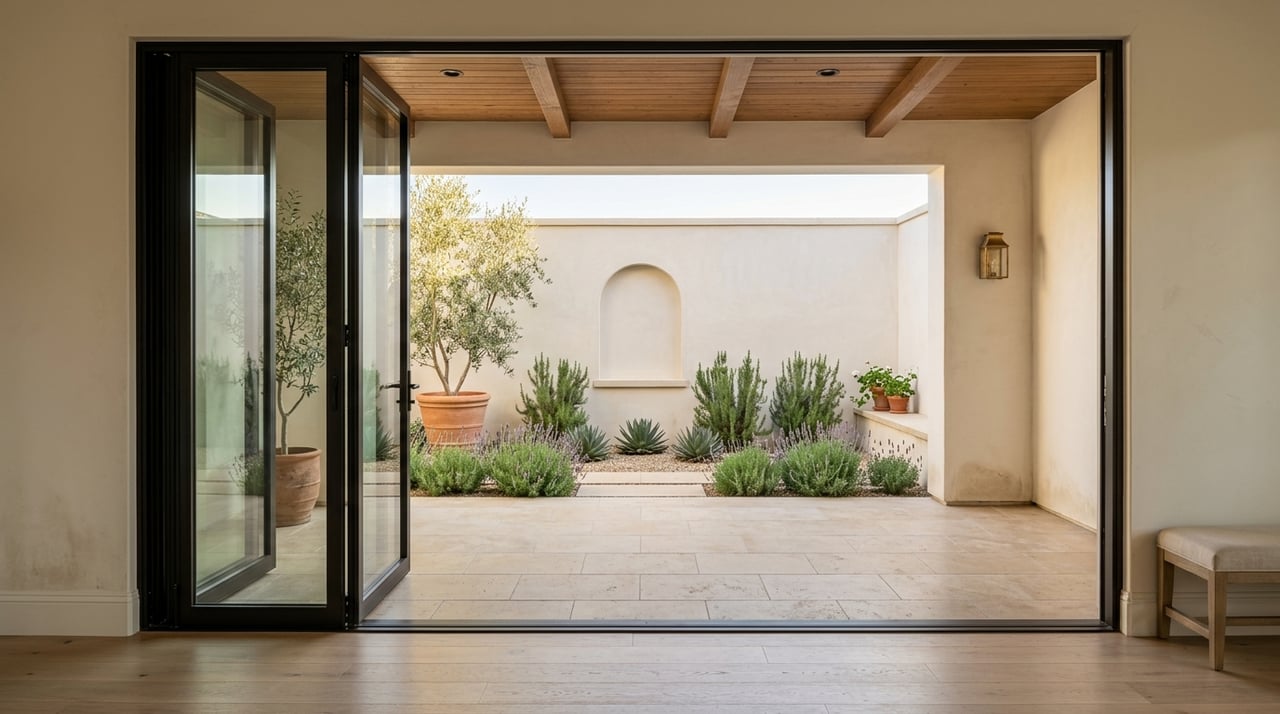
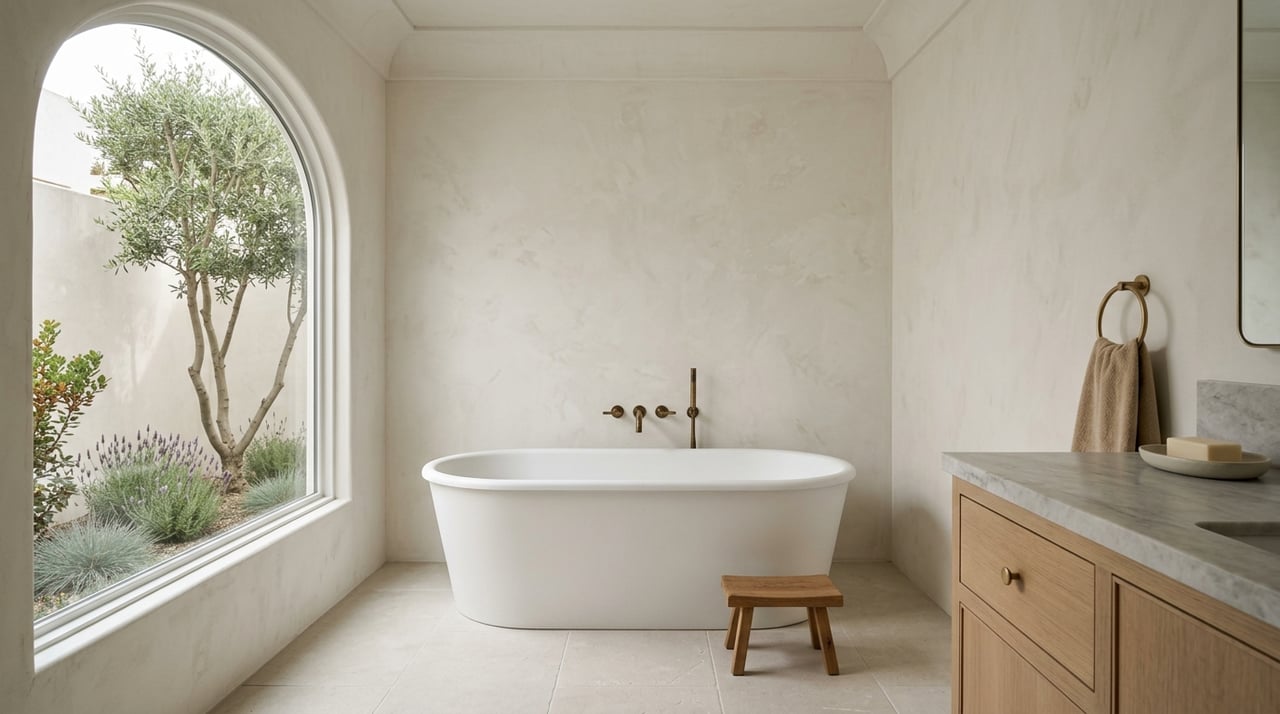
Modern Carmel homes favor horizontal lines, large glass expanses, and low-slope or flat roofs that draw in views and light. Interiors lean open plan with minimal ornamentation and large sliding doors. Salt air can accelerate corrosion on metal components, and window and door seals deserve regular inspection.
Contemporary eco-conscious builds
You will spot energy-efficient windows, low-profile forms, photovoltaic arrays, and native landscaping. Inside, builders use advanced insulation, heat-pump systems, and water-saving fixtures with sustainable finishes. These homes perform well but require different maintenance routines for systems like solar and high-efficiency HVAC.
Vernacular and mixed-era custom homes
Many Carmel properties mix eras. You might find an early core with a later glass addition or a courtyard inserted during a remodel. Look for transitions where materials and floor levels change, then review permit histories when you get serious.
How style affects value in Carmel
- Rarity and authenticity. Intact Storybook cottages and homes with documented provenance often command premiums for Carmel charm. Preserved original details add appeal.
- Views and site planning. Homes that capture ocean views and create easy indoor to outdoor flow tend to sit higher in the market, which is common with contemporary coastal design.
- Functional modernity. Character paired with updated kitchens, baths, and efficient systems often draws broader buyer interest and stronger offers.
- Size and layout. Many Carmel homes are intimate by design. Usable outdoor rooms, smart storage, and flexible spaces can offset smaller interiors.
- Maintenance and upgrades. A historic roof, older windows, or deferred exterior care can weigh on price compared to turnkey homes with recent system updates.
Coastal climate, materials, and maintenance
Carmel’s cool, moist, and salty air is beautiful to live in but tough on materials. Build your plan around prevention and early fixes.
- Wood shingles, cedar, and redwood. Watch for rot, fungal decay, and fastener corrosion. Inspect roof covering, flashing, attic ventilation, and paint or stain condition.
- Stucco and plaster. Hairline and step cracks can signal moisture paths. Check window and door flashing and look for substrate decay.
- Clay tile and metal roofs. Tile underlayment ages faster than many expect. Inspect valleys, penetrations, and fasteners. Metal resists rot but can corrode at fasteners.
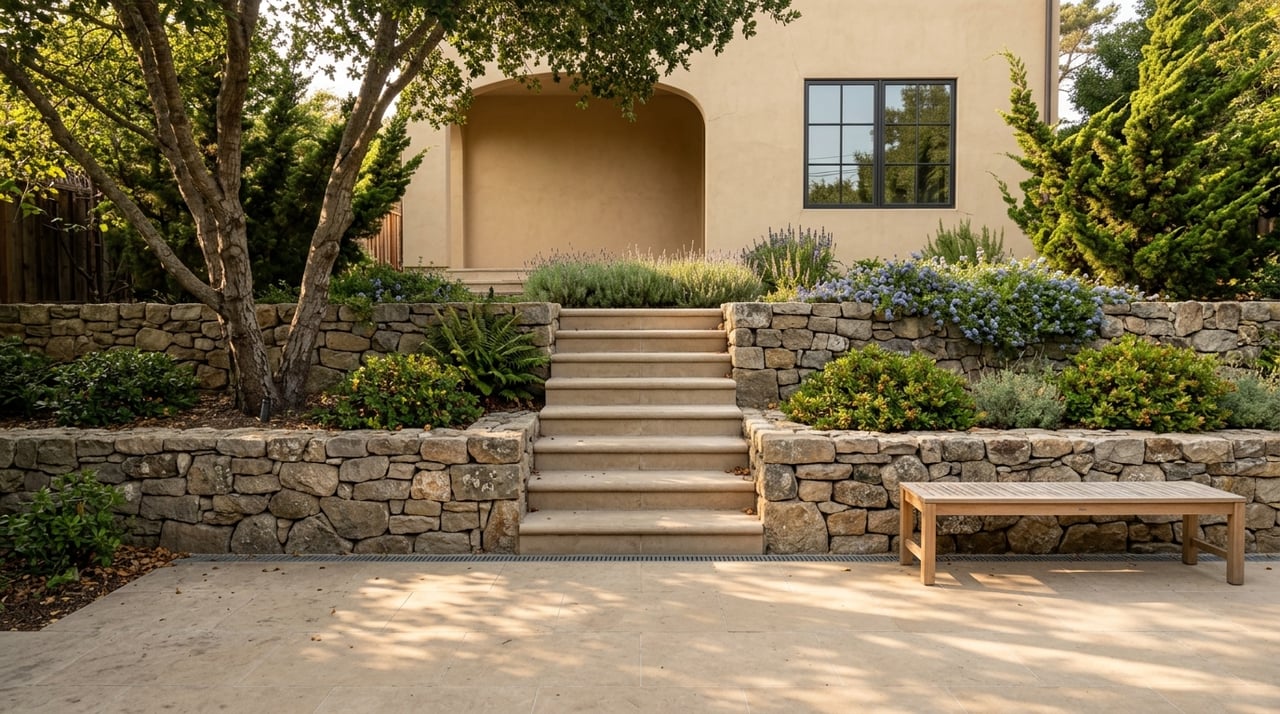
- Stone masonry and Carmel stone. Mortar joints can deteriorate. Make sure cap flashings and foundation interfaces shed water.
- Windows and doors. Wood frames can rot and multi-pane glazing seals can fail. Test operation, review seals, and inspect hardware for corrosion.
- Foundations and retaining walls. Small lots and slopes mean drainage and retaining systems matter. Look for settlement signs and ensure site water moves away from structures.
- Older mechanical, electrical, and plumbing. Knob-and-tube wiring, two-prong outlets, galvanized supply, and cast-iron drains may appear in historic homes. Check electrical capacity and overall system health.
- Coastal exposure. Salt air speeds corrosion on steel anchors and HVAC components and shortens exterior finish life. Rust staining is a useful early-warning sign.
- Insurance and safety. Older construction and coastal settings can raise premiums or prompt lender or insurer requests for retrofits such as foundation bolting and seismic anchorage.
What to look for during inspections
Use this quick checklist as you tour and before you write an offer:
- Roof type and condition with the date of last replacement
- Water intrusion evidence in attics, ceilings, and crawlspaces
- Electrical service size and any visible knob-and-tube or cloth wiring
- Plumbing materials and any signs of leaks or corrosion
- Foundation, slope stability, and retaining wall condition
- Pest, dry rot, or termite activity, especially at grade
- Window and door operation, seals, and glazing condition
- Potential asbestos or lead paint in older homes, with any mitigation records
- Permit history for major work, plus plans or disclosures for any unpermitted alterations
Renovation, permits, and preservation
Carmel values its village scale and historic character. Before you plan changes, understand the local process.
- Historic resources and design review. Some homes are listed as historic resources and exterior changes may require review. Interiors are less commonly restricted unless specially protected.
- Coastal zone considerations. Parts of the Monterey Peninsula lie within the Coastal Zone. Projects near the shoreline or on coastal bluffs can require additional compliance and review.
- Lot coverage, height, and setbacks. Tight envelopes protect neighborhood scale. Additions often need review and sometimes variances.
- Permits and utility upgrades. Kitchen and bath remodels, structural work, and system overhauls require permits. Electrical service and seismic retrofits are common upgrades in historic homes.
- Landscaping and stormwater. Native plant protection, erosion control, and limits on impermeable surfaces are typical.
- Parking and ADUs. State rules enable ADUs, but local lot size, design context, and historic status can affect what is feasible.
For any project, consult the City of Carmel-by-the-Sea Planning and Building Department, the local Historic Resources Board, and, where applicable, the California Coastal Commission to confirm requirements.
Listing and staging tips by style
Presenting a Carmel home well helps buyers feel the architecture before they arrive.
- Storybook cottages. Highlight unique doors, leaded glass, exposed beams, and intimate outdoor nooks. Use scaled furniture that fits smaller rooms and showcase hearth moments.
- Spanish and Monterey. Frame courtyards, tiled details, and balconies. Warm, textural photography captures indoor to outdoor flow.
- Contemporary coastal. Use wide angles to show open sight lines and glazing. Include twilight images that reveal reflections and view corridors.
- Eco-conscious homes. Call out solar, heat-pump systems, insulation, and water savings. Provide any energy ratings or documentation.
Buyer and seller playbook by style
- If you love historic charm. You may accept smaller rooms and low ceilings in exchange for character. Get early bids for roof and window care and budget for system updates.
- If you prioritize views and low maintenance. Look for contemporary coastal forms with durable exterior materials. Focus inspections on glazing seals, deck flashing, and corrosion.
- If you are preparing to sell. Gather permit histories, service records, and any historic documentation. Address minor exterior wear that reads as deferred maintenance, especially on roofs, windows, and decks.
Next steps
Whether you are drawn to a whimsical cottage or a glass-wrapped contemporary, style tells a story about care, comfort, and value. When you understand the details, you can move with confidence and present your home in its best light. If you want a thoughtful strategy tailored to your property or your search, connect with The Profeta Team to begin. Request Your Complimentary Home Valuation & Private Consultation.
FAQs
How do I identify a Carmel Storybook cottage?
- Look for steep wood-shake roofs with rolled or flared eaves, small leaded windows, arched entries, exposed timber accents, and an intimate interior with built-ins and a hearth.
Do historic designations limit remodeling in Carmel?
- They can. Exterior changes on designated historic resources often require review, while interior work is less commonly restricted unless special protections apply.
What issues should I inspect first in coastal modern homes?
- Focus on large windows and doors for seal failure, corrosion on metal elements, and deck or balcony flashing where waterproofing is critical.
How does architecture style affect price in Carmel?
- Rarity, intact character, view capture, and functional modern upgrades drive value. Turnkey condition often lifts marketability across all styles.
Are tile roofs low maintenance in Carmel?
- Tiles can last, but underlayment and flashing are the real wear items. Inspect valleys, penetrations, and clips or fasteners for age and performance.
Can I add an ADU to a Carmel property?
- State rules support ADUs, but local lot constraints, historic status, and design review can shape what is allowed. Confirm feasibility with the city early in planning.