Thinking about listing your home in Carmel, Orange County? In a market where timing, pricing, and presentation shift with interest rates and inventory, a clear launch plan can mean a faster sale and a stronger net. You want a process that reduces risk, keeps you compliant, and showcases your home at its best. Below is a simple, step-by-step plan tailored to Orange County norms so you know exactly what to do and when. Let’s dive in.
The Carmel OC market at a glance
Orange County is a higher-priced Southern California market where inventory and days on market move with the season and rate cycles. Spring and early summer usually see the most buyers, though a low-inventory window can make an off-season launch effective. Relocation and local family buyers often ask about commute access, school district boundaries, and lifestyle amenities.
Before you list, pull the latest local data so your strategy matches current conditions. You can reference broad guidance from the California Association of Realtors, then align your pricing and timing to the most active buyer windows locally.
Step 1: Prep your disclosures early
Getting your disclosures right protects your sale from delays, renegotiation, or claims after closing. Start assembling these items well before photography.
Build your California disclosure packet
- Transfer Disclosure Statement (TDS) and Seller Property Questionnaire.
- Natural Hazard Disclosure (NHD) report covering flood, fire severity, and earthquake fault zones.
- Lead-based paint disclosure for homes built before 1978.
- Megan’s Law notice and link to the public registry.
- Any Mello-Roos or other special assessments, if applicable.
- HOA resale packet and required association documents for condo or planned community homes.
- Known permits, warranties, unpermitted work details, and recent pest or roof reports.
For statewide forms and guidance, review resources from the California Association of Realtors and the California Department of Real Estate.
Local checks that matter in OC
- Confirm city-specific transfer fees or taxes.
- Verify school district boundaries and utility providers for your parcel.
- Order your NHD and property profile early, and contact your HOA to begin the resale packet process.
- For county tax and recording information, use official Orange County resources at ocgov.com.
Step 2: Make cost-wise fixes and stage
A short pre-list inspection can surface material issues before buyers do. Focus your budget on safety and system items first, then easy wins that boost first impressions.
Prioritize the highest ROI
- Repair visible roof leaks, significant plumbing or electrical defects, and active pest damage.
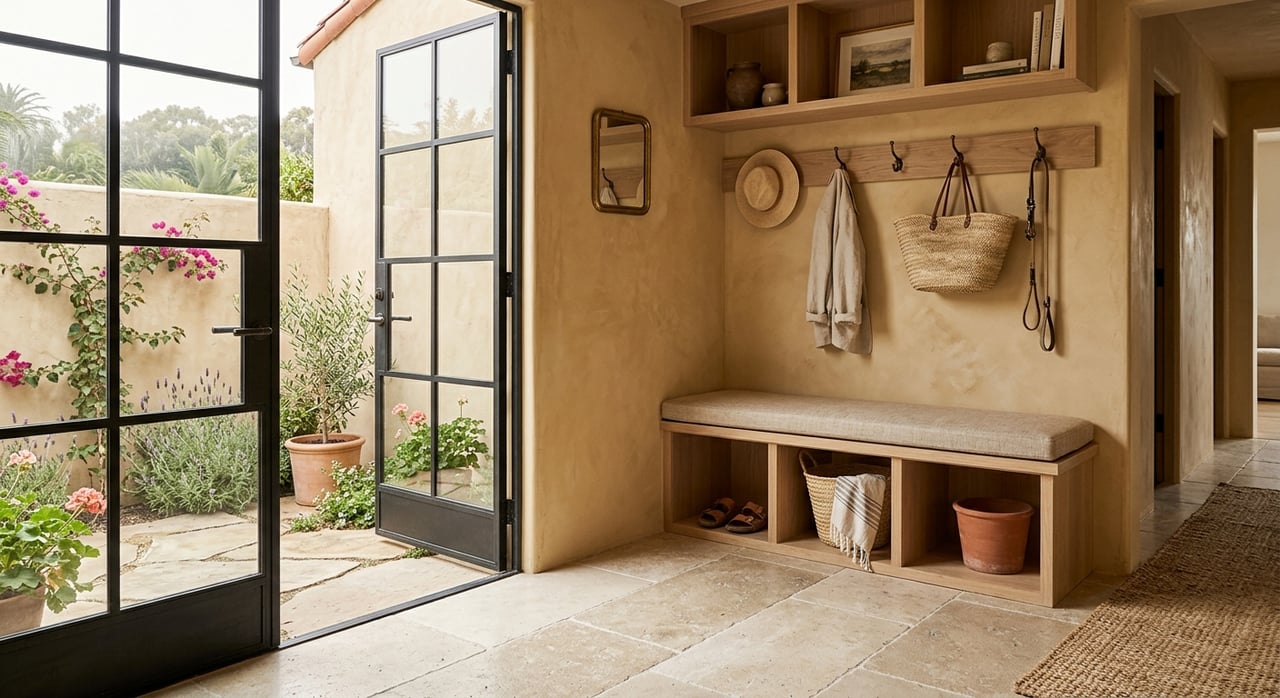
- Deep clean, declutter, and paint in neutral tones.
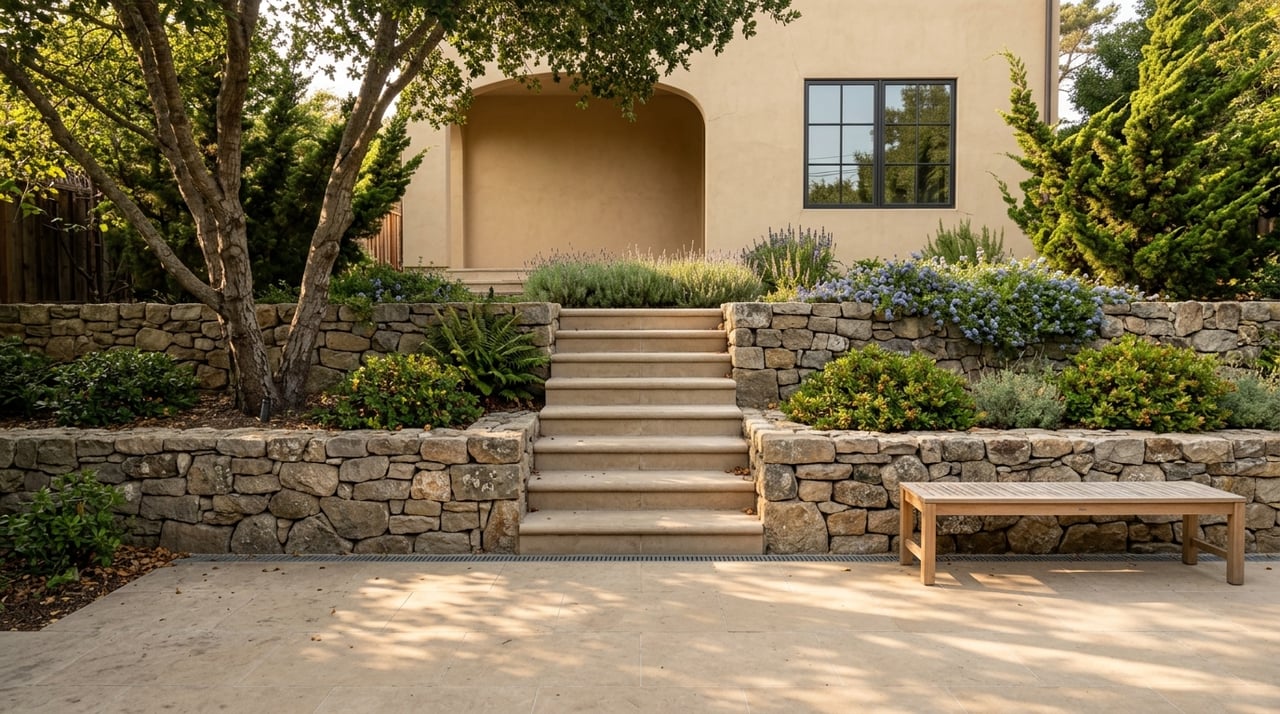
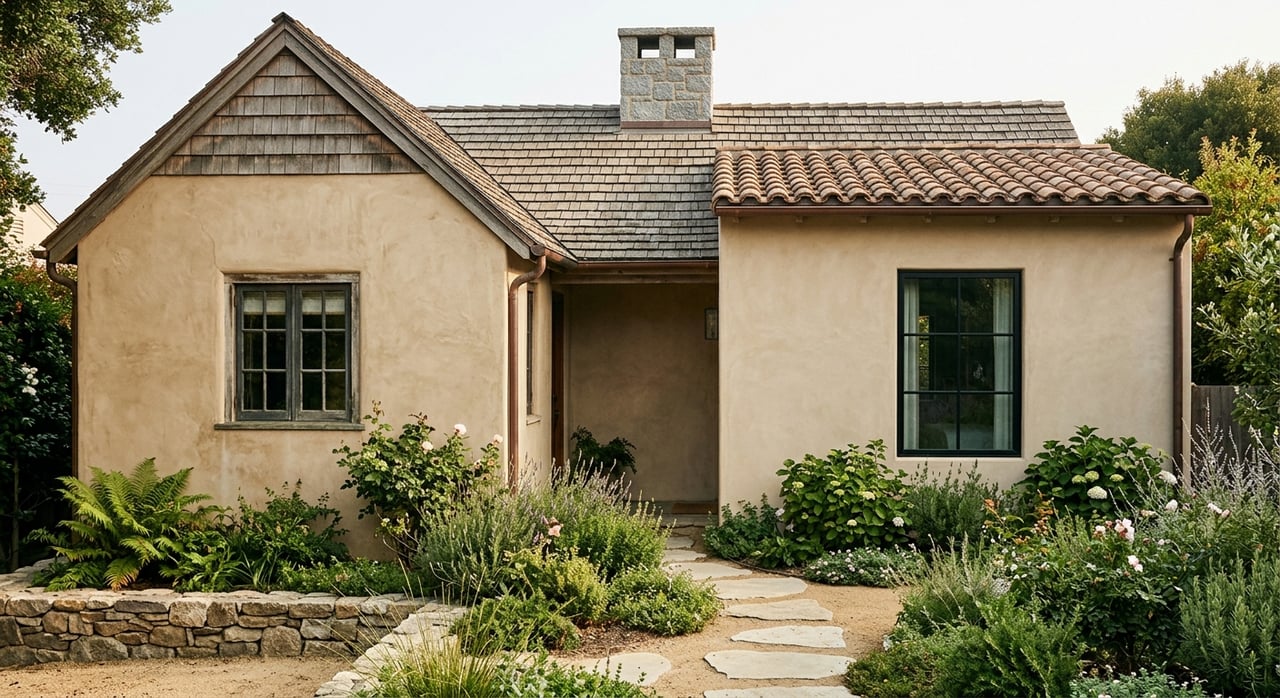
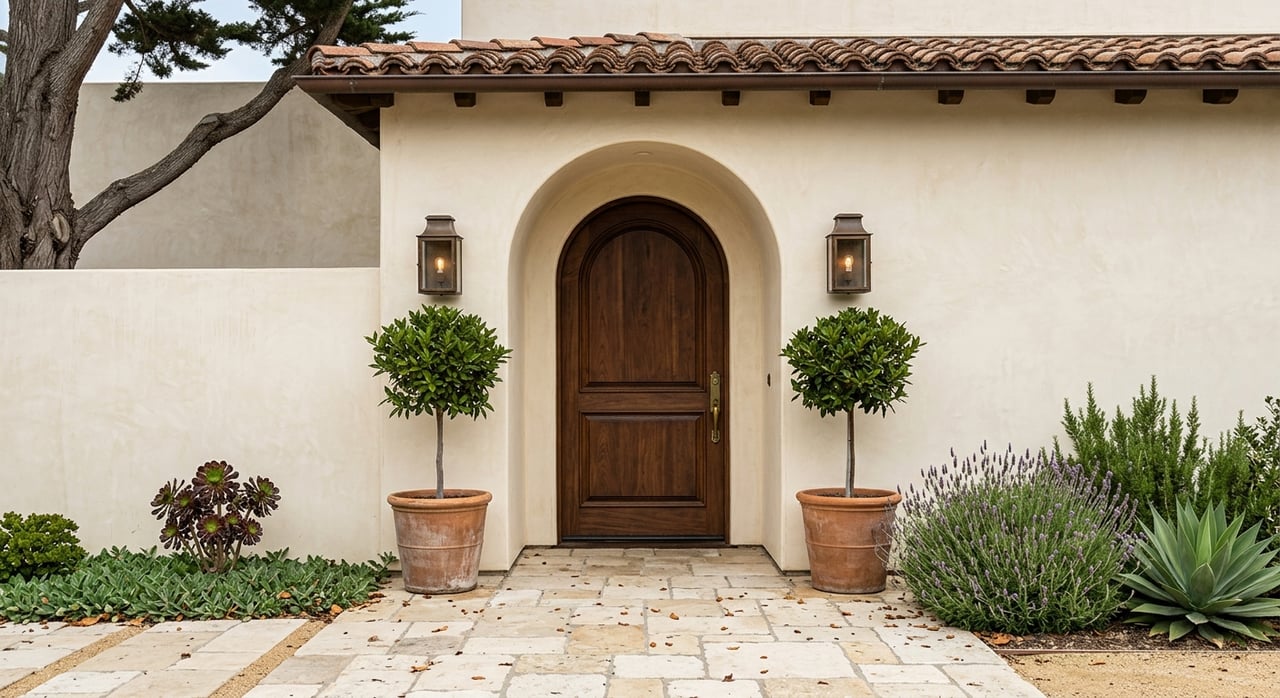
- Improve curb appeal with trimmed landscaping and fresh mulch.
- Refresh lighting, hardware, and faucets for a modern feel.
- Consider light kitchen or bath surface updates if the numbers pencil out.
Present beautifully online and in person
Professional photography, a floor plan, and a 3D tour help you reach more buyers and reduce time on market. Industry research from the National Association of Realtors shows that quality visuals and staging influence buyer interest and perceived value. If the home is vacant, minimal staging or selected virtual staging can make rooms feel more inviting.
Create a show-ready checklist for each appointment: clear counters, open blinds, secure valuables, keep scents neutral, and ensure all utilities are on for inspections.
Step 3: Price with precision
The right list price is anchored in a fresh comparative market analysis focused on true comparables nearby.
Use the right comps
- Start with closed sales from the last 30 to 90 days within your neighborhood or subdivision.
- Factor in pending sales and competitive active listings.
- Adjust for condition, square footage, lot size, parking, view, and HOA amenities.
Make it findable and compelling
- Price in search-friendly bands buyers use on portals.
- In high-demand weeks, pricing just under market value can draw multiple offers.
- In slower periods, price competitively and be transparent about upgrades and system ages.
- If you consider a “coming soon” period, follow MLS rules and plan how and when you will allow showings or pre-list offers.
Step 4: Launch marketing that travels
Your first week is your moment to create energy. Aim for complete exposure and consistent messaging across channels.
Core marketing elements
- MLS launch with a thorough description, professional photos, floor plan, and a 3D tour.
- A clear, bulleted features list highlighting recent upgrades and system ages.
- Early broker preview to activate the local agent network.
- Open houses scheduled after initial agent outreach.
Multi-channel amplification
- Email campaigns to active buyers and local agents.
- Targeted social media ads focused on local interests and geographies.
- For higher-end homes, consider paid search or remarketing.
- Premium yard signage, property brochures, and targeted neighborhood mailers when appropriate.
- Share concise showing notes and access instructions in MLS agent remarks to streamline appointments.
Manage showings efficiently
- Use an electronic showing system or lockbox for secure, trackable access.
- Offer clear showing windows and a same-day feedback process.
- Provide an information packet with disclosures, utility averages, HOA highlights, and recent improvements.
Your 4–8 week launch timeline
- Weeks -4 to -2: Complete pre-list inspections as needed. Start disclosure packet, order NHD, request HOA docs, and schedule vendors for repairs, cleaning, and landscaping.
- Week -1: Staging, professional photography, floor plan, and 3D tour. Finalize pricing and launch plan.
- Day 0: Go live on MLS. Send email campaigns, activate social ads, and invite brokers to preview.
- Week 1: Host open houses, field showings, and review feedback. Calibrate pricing or positioning if needed.
- Weeks 2–4: Evaluate offers and negotiate. Once accepted, open escrow and follow your contract timeline.
Offers, escrow, and a smooth close
You can negotiate on price, credits, timeline, and contingencies to meet your goals. Sometimes a flexible closing date or a short rent-back is more valuable to a buyer than a price reduction.
Typical contract windows in California
- Buyer inspections: often 7 to 17 days after acceptance.
- Appraisal and loan processing: timelines vary by lender; typical escrows run 30 to 45 days.
- Confirm and track all contingency removals and deposit deadlines per your agreement.
What to expect in escrow
The escrow and title company will handle title clearance, prorations, and closing logistics. You will sign documents in the days before closing and provide a forwarding address for final statements and tax documents. If any repairs were agreed to, keep permits and receipts ready for delivery.
Common mid-escrow challenges
- Appraisal shortfalls: prepare a strong CMA and be ready to negotiate.
- New inspection findings: pre-list inspections help reduce surprises; respond with estimates or targeted repairs.
- Financing issues: verify pre-approvals up front and consider accepting a backup offer.
For contract and escrow fundamentals, consult resources from the California Association of Realtors and the California Department of Real Estate.
What it costs to sell in Orange County
Expect the following seller-paid items in most OC transactions:
- Real estate commissions, which are negotiated between you and your agents.
- Escrow and title fees, typically shared or negotiated by local custom.
- Prorated property taxes and any special assessments. California’s baseline property tax rate is about 1 percent, plus applicable parcel or Mello-Roos assessments.
- HOA transfer and resale packet fees, if applicable.
- Any agreed-upon repairs or credits after inspections.
For county-specific recording and property tax information, use official county resources at ocgov.com.
Reduce risk and protect your net
The cleanest sales start with complete disclosures, measured pre-list repairs, precise pricing, and a disciplined first-week marketing push. Stay data-driven on timing, keep your documentation tight, and be clear about your negotiation priorities so you can respond quickly and confidently when offers arrive.
Ready to sell with a plan?
If you want a refined, step-by-step process tailored to your timeline and property, request a private strategy session. You will get pricing guidance, a detailed prep checklist, and a curated launch calendar so you can sell with confidence. Start with The Profeta Team.
FAQs
What documents do I need to sell a home in Orange County?
- At minimum, prepare the TDS, NHD, lead-based paint disclosure if the home was built before 1978, HOA resale documents when applicable, and known material facts; see the California Association of Realtors for guidance.
Is it worth doing repairs before listing in Carmel, OC?
- Yes for safety and system issues that could derail escrow; cosmetic updates can be selective, and a short pre-list inspection helps you decide what to address now versus negotiate later.
How should I price in today’s market?
- Use a fresh CMA focused on true neighborhood comps from the last 30 to 90 days, check pending and active competition, and align your list price to buyer search bands and the current level of demand.
How long does the selling process take in Orange County?
- Most sellers spend 2 to 6 weeks on prep, then 30 to 45 days in escrow after offer acceptance, with faster timelines possible for cash buyers and well-prepared listings.
What are typical seller costs at closing?
- Expect negotiated commissions, escrow and title fees, prorated property taxes and assessments, HOA transfer fees if applicable, and any agreed-upon repair credits; for county tax details, visit ocgov.com.
Should I accept the first offer or wait?
- Compare price, contingencies, financing strength, and timing; the best offer balances a strong number with fewer risks and a closing date that matches your goals.