Are you facing the responsibility of selling a loved one’s home or a longtime family property in Carmel? It can feel overwhelming to balance legal steps, family expectations, and market timing while honoring the legacy of the home. This guide walks you through what to expect in a California trust or estate sale, how the process works in Carmel-by-the-Sea, and what to prepare so you can move forward with clarity and confidence. Let’s dive in.
Trust and estate sales in California
Selling real property through a trust or estate follows California’s probate and trust laws. The right path depends on how title is held.
- Trust sale basics: If the property is owned by a revocable living trust and the trustee has clear authority in the trust document, you can typically sell without opening probate. Title and escrow will usually request a certified copy of the trust and a trustee certification.
- Probate sale basics: If the decedent owned the home in their individual name without a trust, probate is often required. Court supervision, notices, and potential hearings can extend timelines.
- Key difference: Trust sales are commonly faster and less costly. Probate sales can require court confirmation and may be subject to overbidding rules and additional fees.
Confirm your authority to sell
Your first step is to verify who has legal power to act for the property.
- If there is a trust, the trustee named in the controlling trust document typically has authority to sell. A certificate of trust or trustee certification will help title verify authority.
- If probate is open, the court issues Letters Testamentary or Letters of Administration to the personal representative. Those Letters show the representative’s authority to sign and sell.
- If the trust is unclear about sale powers, buyers and title companies may request a legal opinion or court order before proceeding.
Documents buyers and title will expect
Gathering core documents early keeps the sale moving and prevents surprises during escrow. Common items include:
- Certified death certificate(s).
- The controlling trust and any amendments, plus a trustee certification. Or, if probate, the will (if any) and the court-issued Letters.
- The current deed and chain of title, plus a preliminary title report.
- Mortgage payoff statements and contact information for any lenders.
- Recent property tax bill and information on any special assessments, including Mello-Roos if applicable.
- HOA documents if the home is in a common interest community.
- Standard California disclosures: Transfer Disclosure Statement, Seller Property Questionnaire, Natural Hazard Disclosure, and lead-based paint disclosure for pre-1978 homes.
How long the sale may take
Timelines vary based on authority and market conditions.
- Trust sales: Once documentation is in hand, the process looks similar to a conventional sale and can often close on a normal market schedule.
- Probate sales: If court approval is required, expect a longer path. Some estates qualify for independent administration, which can be faster than fully court-confirmed sales. Court-confirmed sales can involve a confirmation hearing and overbid procedures.
Pricing, valuation, and fair market value
Establishing a credible value is important for both pricing and potential tax-basis documentation.
- Appraisal: A formal appraisal is often wise for fiduciaries and can be required for beneficiary accounting or tax reporting.
- Comparative market analysis: A local CMA helps you position the property within Carmel’s micro-markets and current buyer demand.
- Strategy: In a trust or estate context, your pricing plan should balance market value, desired timeline, and carrying costs while documenting your decisions for the file.
Carmel-by-the-Sea and Monterey County specifics
Carmel-by-the-Sea has unique characteristics that can influence preparation and buyer expectations.
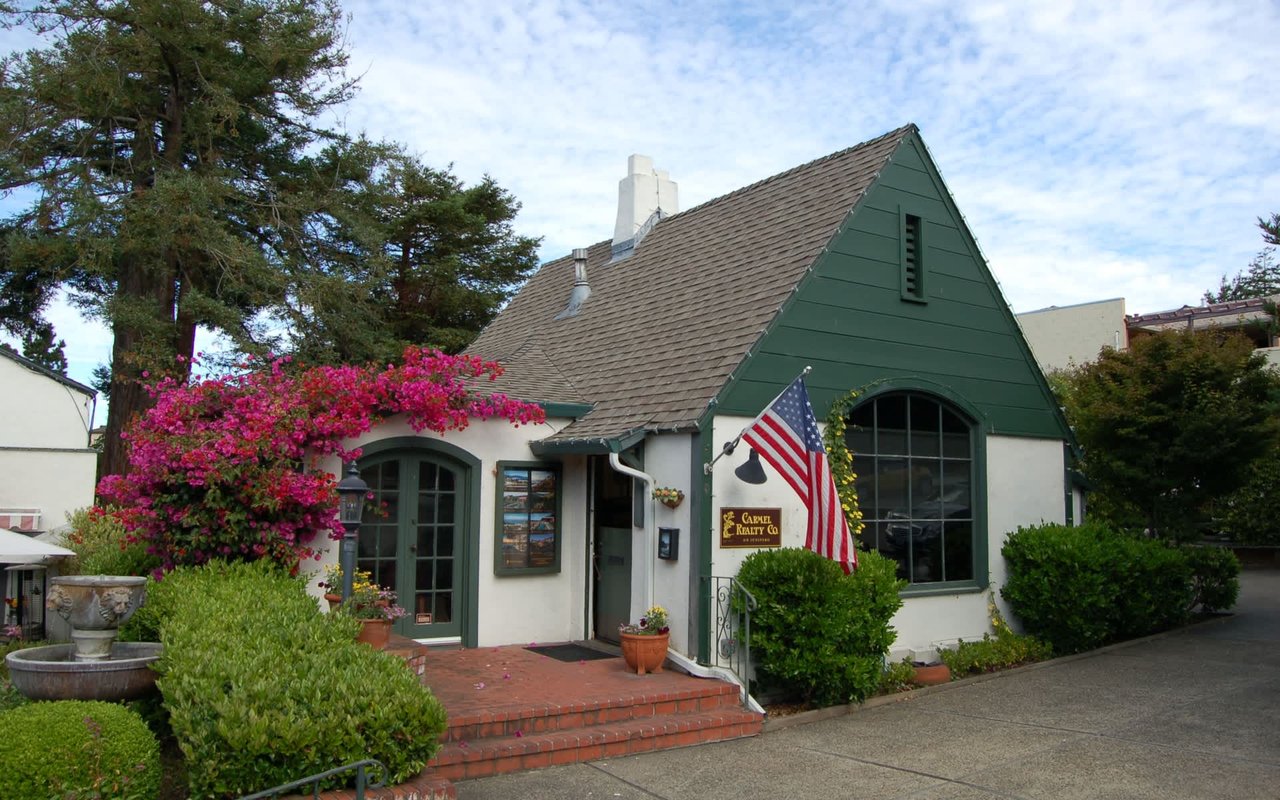
- Design and preservation: Coastal and historic sensitivities, design review, and local planning rules can affect renovation plans. Set clear expectations for buyers and disclose known permit histories.
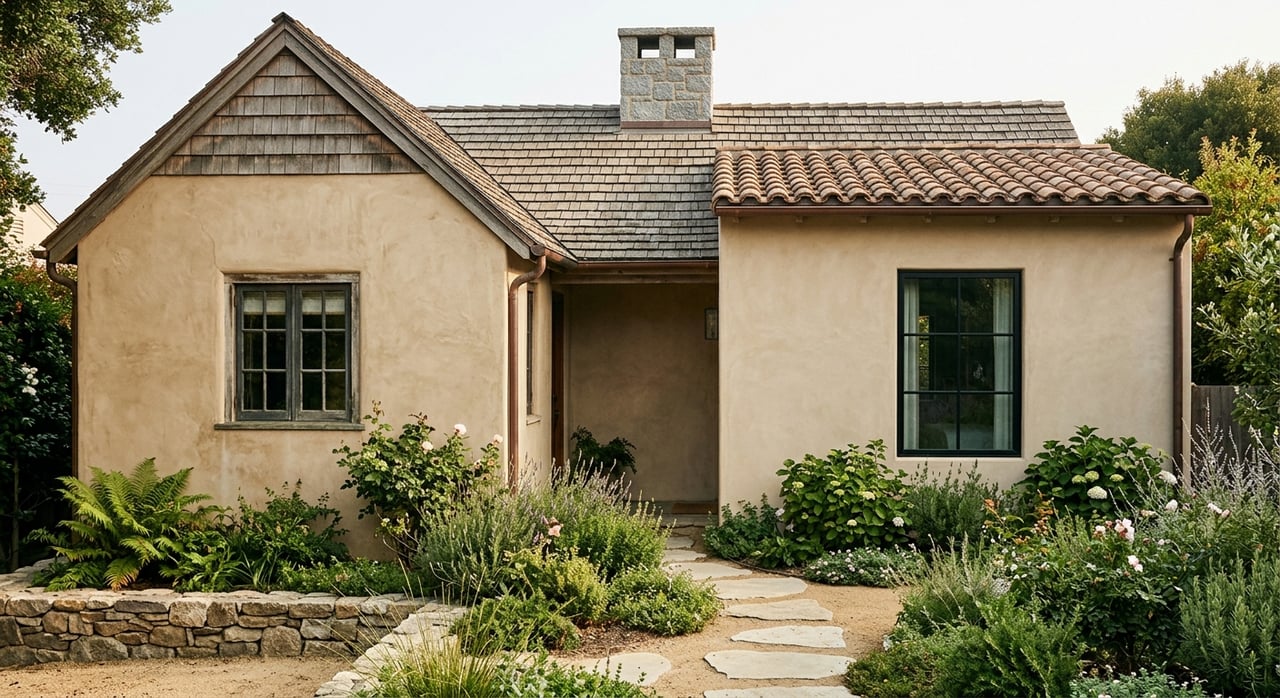
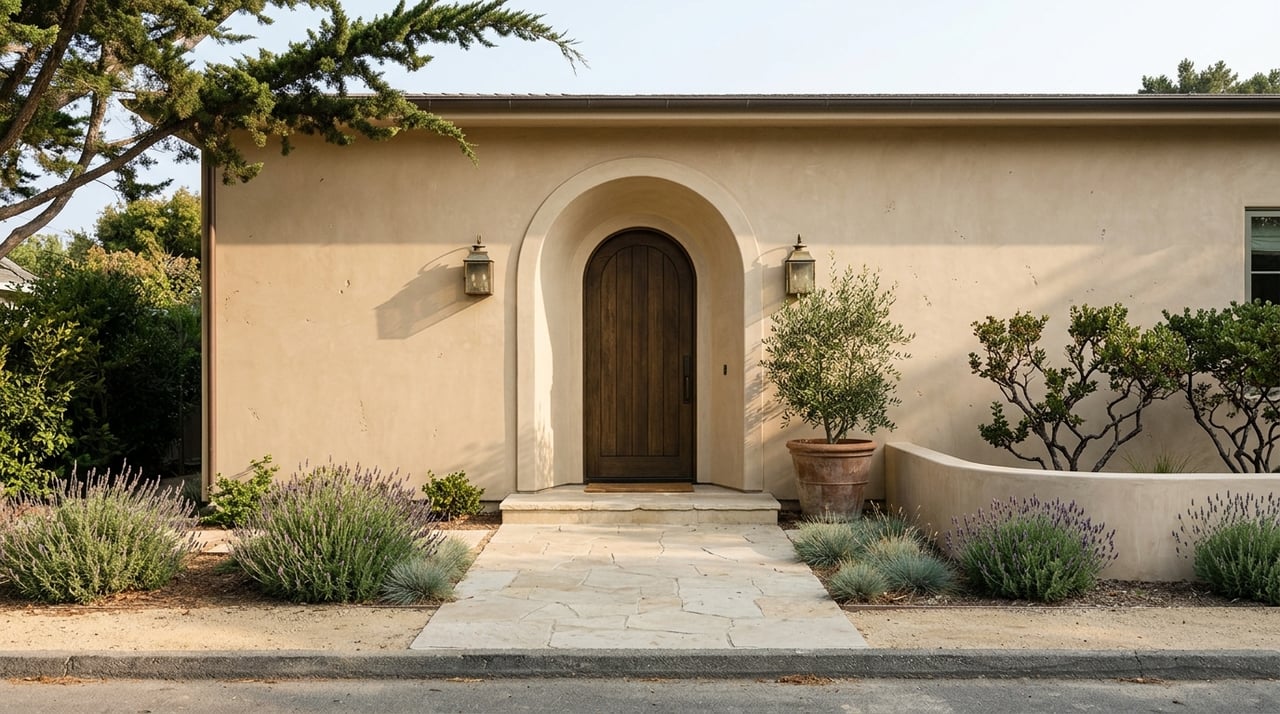
- Inventory and demand: Inventory can be limited, and buyers often value character and location. Professional presentation and staging can help ensure the home’s story and condition are clear to qualified buyers.
- Local recording and assessor practices: Recording formats for trustee or personal representative deeds and interpretations of property tax exclusions can be county specific. Verify requirements with the Monterey County Recorder and Assessor.
Orange County considerations if the estate spans regions
Some families manage property across counties. If a related property is in the Anaheim–Santa Ana–Irvine area, keep in mind:
- HOA and Mello-Roos: Many planned communities have HOAs and community facilities districts that require additional disclosures and resale packages.
- County practices: Recording fees, forms, and certain assessor interpretations vary between Monterey County and Orange County. Confirm specifics with the Orange County Recorder and Assessor.
- Market profile: Buyer pools and housing stock differ from Carmel. Price positioning, inspection expectations, and marketing strategy may vary accordingly.
Disclosures and inspections you should expect
California requires standard disclosure forms even in trust and estate sales. You must disclose known material facts about the property’s condition.
- Termite and lender items: Lenders often request termite inspections and, in some cases, completion of related repairs for financing.
- System checks: Roof, plumbing, and electrical items can affect buyer confidence and loan approval. Decide early whether to repair or sell as-is and document that decision.
- Death disclosure: Rules on death disclosure vary. Many jurisdictions do not require disclosure of deaths from natural causes unless asked or if the event affects the property’s physical condition. When in doubt, consult current California guidance.
Taxes to discuss with your advisors
Trustees and executors commonly coordinate with tax professionals. Key topics include:
- Basis step-up or step-down: Inherited property generally receives a tax basis equal to fair market value at the date of death or an alternative valuation date if elected. This can impact capital gains at sale.
- California estate tax: California does not impose a state estate tax, though federal estate tax rules can still apply for larger estates.
- Property tax reassessment: Transfers into a revocable trust by a living owner typically do not trigger reassessment. Transfers at death and inter-family transfers are affected by state rules and recent propositions. Check current county assessor guidance for available exclusions and required filings.
Managing beneficiaries and fiduciary duties
Trustees and personal representatives owe fiduciary duties to beneficiaries. Clear communication helps avoid delays.
- Align expectations: Share the timeline, pricing strategy, and any planned repairs so beneficiaries understand your approach.
- Keep records: Retain appraisals, marketing materials, offers, estimates, and closing statements. These records support required accountings and reduce disputes.
- Document decisions: Explain the rationale for pricing, repairs, or selling as-is to create a clear administrative record.
Escrow, title, and closing mechanics
Once under contract, the process looks familiar with a few added steps.
- Proof of authority: Escrow will verify trustee or personal representative authority. Provide the trust certificate or court Letters early.
- Title commitment: Title will confirm the chain of title and identify any liens. Begin lien clearance promptly, including mortgage payoffs and HOA obligations.
- Deed at closing: A trustee’s deed or personal representative’s deed is recorded to transfer title to the buyer. Confirm required formatting with the county recorder.
Cost planning for an estate or trust sale
Create a clear financial plan so the sale supports fiduciary obligations and net outcomes.
- Carrying costs: Budget for property taxes, insurance, utilities, landscaping, and HOA dues during the marketing period.
- Transaction costs: Plan for escrow and title fees, broker commissions, potential court fees in probate, and any trustee or executor compensation as permitted.
- Repair and presentation: Consider cost-benefit for pest work, safety items, staging, and photography. Many fiduciaries opt for strategic touch-ups to increase buyer confidence.
Practical property preparation checklist
Use this condensed checklist to organize your next steps.
Common pitfalls to avoid
- Waiting to order title: Unknown liens or old loans can delay closing. Order the preliminary title report early.
- Unclear authority: If buyers or title are unsure about trustee or representative powers, the deal can stall. Assemble authority documents before listing.
- Underprepared disclosures: Incomplete disclosures can lead to renegotiations. Provide a thorough, accurate package up front.
- Ignoring carrying costs: Extended timelines can affect net proceeds. Factor monthly costs into strategy and pricing.
How a local, fiduciary-minded approach helps
When you sell a trust or estate property in Carmel, local experience and careful documentation matter. You need an agent who understands court or trustee requirements, knows how to position a legacy home in a coastal market, and can coordinate sensitive logistics with beneficiaries. A high-touch approach can reduce stress, protect the estate’s interests, and help you reach qualified buyers with confidence.
If you are weighing repairs, pricing, or the right timing for your sale, let a local expert help you define the plan, manage the process, and keep records aligned with fiduciary standards. For a confidential conversation and a tailored strategy for your Carmel or Monterey Peninsula property, connect with The Profeta Team.
FAQs
Do I need probate to sell a Carmel home held by a trust?
- Not necessarily. If the property is titled in a revocable trust and the trustee’s authority to sell is clear in the trust, you can usually sell without opening probate.
How long do trust and probate sales typically take in California?
- Trust sales often follow a normal market timeline once documents are in order. Probate sales can take months longer due to notices, possible hearings, and court schedules.
What documents will escrow and title require for a trust or estate sale?
- Expect to provide death certificates, the controlling trust with a trustee certification, or if probate, the will and court-issued Letters, plus the current deed, preliminary title report, and payoff statements.
Will the property be reassessed for taxes when transferred after death?
- Transfers at death and certain inter-family transfers are subject to California’s reassessment rules and available exclusions. Confirm requirements with the county assessor.
Are there special disclosures if a death occurred in the home?
- Disclosure obligations vary. Many jurisdictions do not require disclosure of deaths from natural causes unless asked or if it affects the property’s condition. Verify current California guidance.
What inspections are common for trust or estate sales in Carmel?
- Termite inspections are commonly requested, and lenders may require clearance. Roof, plumbing, and electrical evaluations can help avoid surprises and support buyer confidence.