Living Near Carmel Beach: What Everyday Life Is Like
February 12, 2026
February 12, 2026
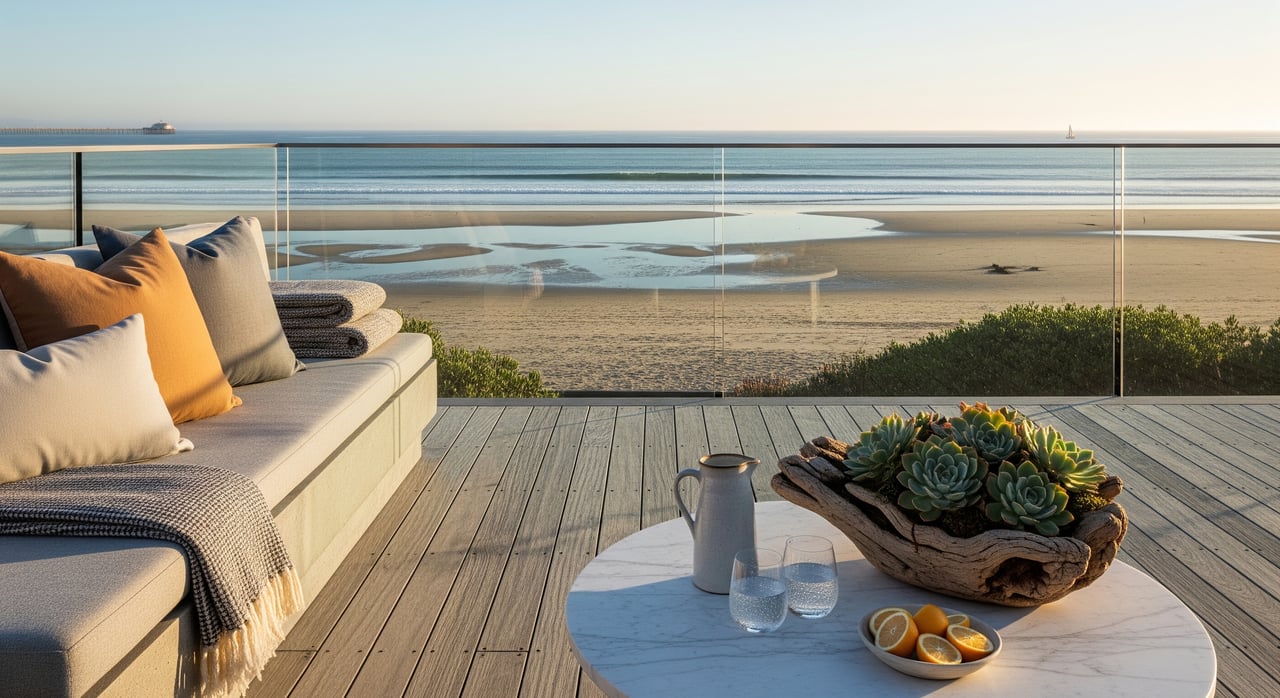
What if the beach were your backyard? Living near Carmel Beach puts morning surf, sunset color, and a pedestrian rhythm at your doorstep. You may picture easy walks and café stops, and you’d be right. You should also know how sand, salt air, parking, and seasonal visitors shape daily life. In this guide, you’ll see the day-to-day flow, the practical features that make beach living easier, and the key risks and rules to check before you buy. Let’s dive in.
Mornings often start cool and calm, with soft fog and crisp marine air. Many residents head out early along the beach or Scenic Road to enjoy quiet stretches before visitors arrive. Layers help. It can warm up by midday, but the breeze keeps temperatures comfortable year-round.
Ocean Avenue anchors village life with cafés, galleries, and shops. If you live within a short walk of the beach, you can often handle errands on foot. That pedestrian-first pace is a big part of the appeal. You spend less time driving and more time taking in the scenery.
Sunset is a social ritual along the bluffs and on the sand. You may see neighbors with blankets and warm layers as temperatures dip after the sun drops. Expect a friendly, unhurried feel as the sky changes and the day winds down.
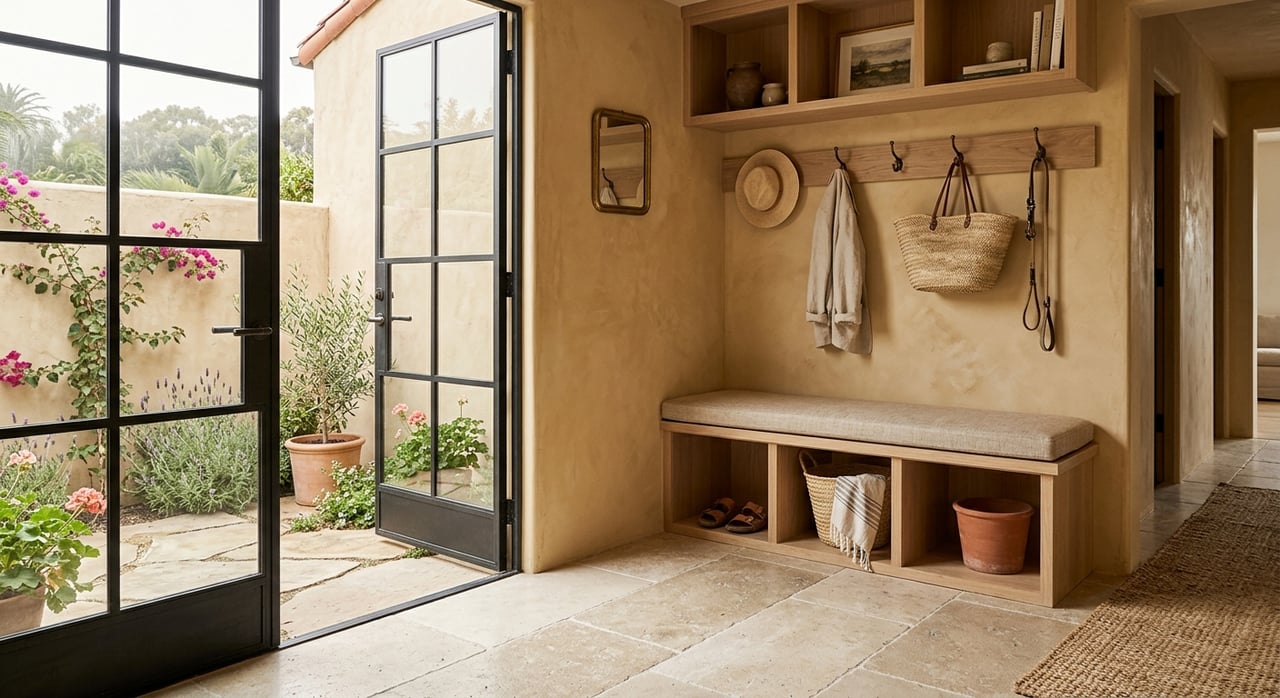
Carmel Beach is widely known as dog-friendly, which draws daily gatherings and off-leash play. Always verify current leash and area rules with the City, since policies can change. Many nearby homes include dog-friendly features like fenced areas, hose bibs for rinsing paws, and durable, easy-clean flooring near entries. Around town, you’ll notice pet-friendly patios and frequent four-legged foot traffic.
In the immediate beachfront grid near Scenic Road and the blocks feeding Ocean Avenue, many homes sit within a 5 to 15 minute walk to the sand. Streets are narrow and residential, and people share space with walkers and cyclists. Plan for a slower driving pace and a neighborhood feel.
Parking near the beach tightens on weekends, holidays, and during peak seasons. If your home has limited on-site parking, set a plan for guest parking and be aware of local time limits. Nearby public lots can help, but they may fill during busy times. Check current parking rules with the City so you and your guests avoid citations.
Bikes and e-bikes work well for short trips. Keep speeds low and watch for tourists stepping into the street. Regional transit connects Carmel to nearby areas like Monterey and Salinas, but service is less frequent than big-city systems. You’ll likely rely on a car for errands outside town.
Summer, holiday weekends, and major events bring more people, more cars, and slower movement across town. Many residents shift routines to early or later outings and make restaurant reservations in advance. With a flexible schedule, you can still enjoy the ease that draws people here.
Sand is part of life by the beach. Simple routines help:
Salt-laden air accelerates corrosion and shortens the life of exterior finishes. You can limit wear and plan for it:
Coastal humidity and temperature swings raise the risk of condensation and mold in tight or poorly ventilated spaces. Best practices include:
An outdoor rinse or shower is a small upgrade that keeps sand outside. Confirm local plumbing and drainage rules before you install one, and direct runoff appropriately. For landscaping, salt-tolerant and native species handle wind and saline spray better and reduce irrigation needs.
Plan for more frequent exterior maintenance than inland homes. Build a schedule for repainting, tightening or replacing corroded fasteners, cleaning gutters and vents, and inspecting decks and railings. A clear plan keeps small issues from turning into bigger ones.
Not all coastal parcels face the same exposure. Beachfront and bluff-top homes can experience erosion pressure and future sea-level rise risk. Review FEMA Flood Insurance Rate Maps to confirm flood zones for specific properties. Check the California Coastal Commission’s guidance and local planning documents for setbacks, bluff conditions, and any shoreline protection measures on or near the site.
Location affects insurance costs and availability. If a home sits in a mapped flood zone, lenders will require flood insurance. Even outside mandatory zones, you may choose voluntary coverage for storm surge or coastal inundation. Policies can include exclusions or endorsements for wind, hail, or salt corrosion. Get quotes early so coverage, lender requirements, and costs are clear before you write an offer.
Work near the coast often brings added review. Exterior changes like decks, stairs, fences, outdoor showers, and shoreline measures may trigger coastal permits or design review. In historic or scenic areas of Carmel-by-the-Sea, review standards can be detailed. Confirm requirements with the City planning department and, where applicable, the California Coastal Commission.
Use this quick list to focus your due diligence:
If you enjoy a walk-everywhere lifestyle, daily time outdoors, and a friendly, pet-forward culture, this area delivers. You trade some convenience in peak seasons and plan for extra exterior upkeep. In return, you gain a rare setting where morning fog, midday sunshine, and glowing sunsets shape your routine. With clear expectations and the right home features, everyday coastal life feels both effortless and grounded.
When you are ready to explore homes within an easy stroll of the sand, connect with a local team that lives this rhythm and can guide you through due diligence, permits, and neighborhood nuance. For trusted, concierge-level representation on the Monterey Peninsula, reach out to The Profeta Team.
Stay up to date on the latest real estate trends.

We welcome the opportunity to guide you in realizing your Real Estate goals and are grateful for the clients for whom we have already had the privilege to help.
The Profeta Team
(831) 601-3207
[email protected]
Junipero Between 5th & 6th Ave
Carmel, CA 93921
Judie Profeta | CA DRE# 00703550
Julia Humason | CA DRE# 10872599
Rob Profeta | CA DRE# 01313907