
Carmel vs Carmel Valley: Discover Your Perfect Match
December 18, 2025
December 18, 2025
Love the Monterey Peninsula but torn between sea breeze and sunny hillsides? You are not alone. Many buyers weigh the charm of Carmel-by-the-Sea against the space and warmth of Carmel Valley. In this guide, you will get a clear, side-by-side look at lifestyle, homes, climate, access, and practical considerations so you can choose with confidence. Let’s dive in.
This comparison focuses on two Monterey County communities: Carmel-by-the-Sea, often called “Carmel,” and Carmel Valley, the inland valley community that begins just east of the village. Both are part of the greater Monterey Peninsula market. They are close neighbors with very different day-to-day experiences.
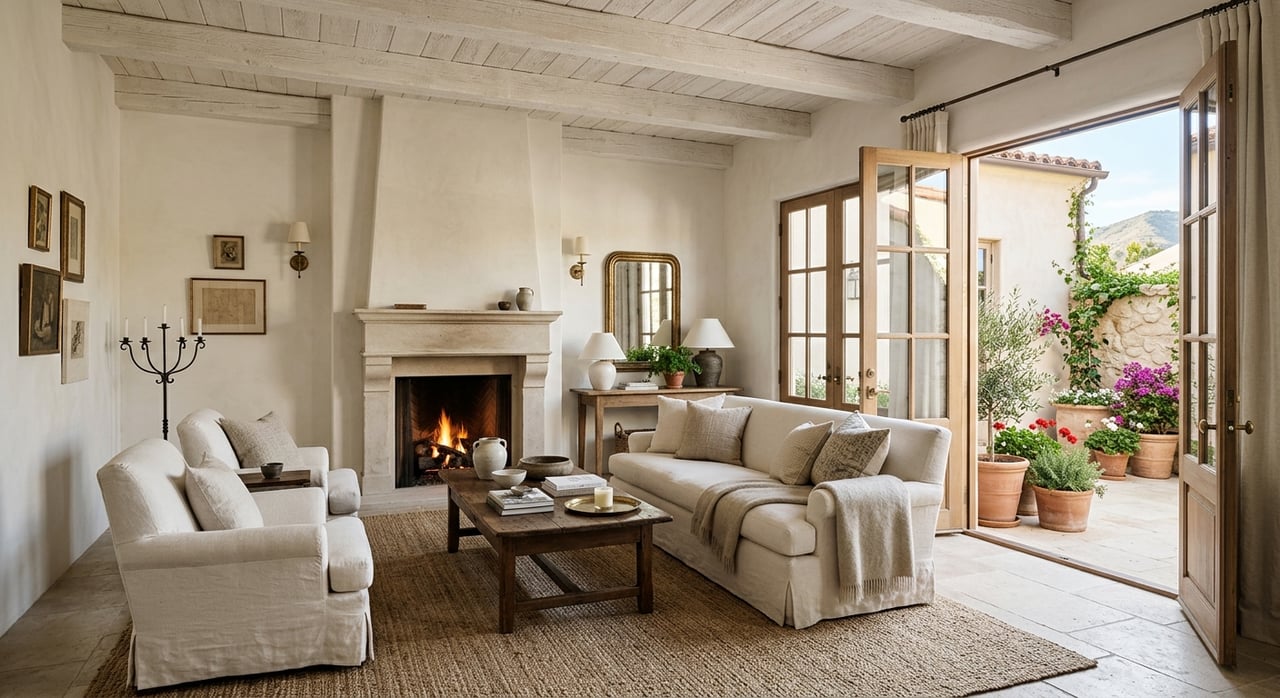
Carmel-by-the-Sea is a compact coastal village with historic cottages, galleries, and walkable streets near Carmel Beach. Carmel Valley stretches inland with a mix of neighborhoods, ranches, and vineyard areas where larger lots and warmer weather are common.
Carmel-by-the-Sea is all about coastal living and village charm. You will find boutique retail, fine dining, and art galleries centered on Ocean Avenue, with easy access to Carmel Beach. The scale is intimate, and preservation is a priority.
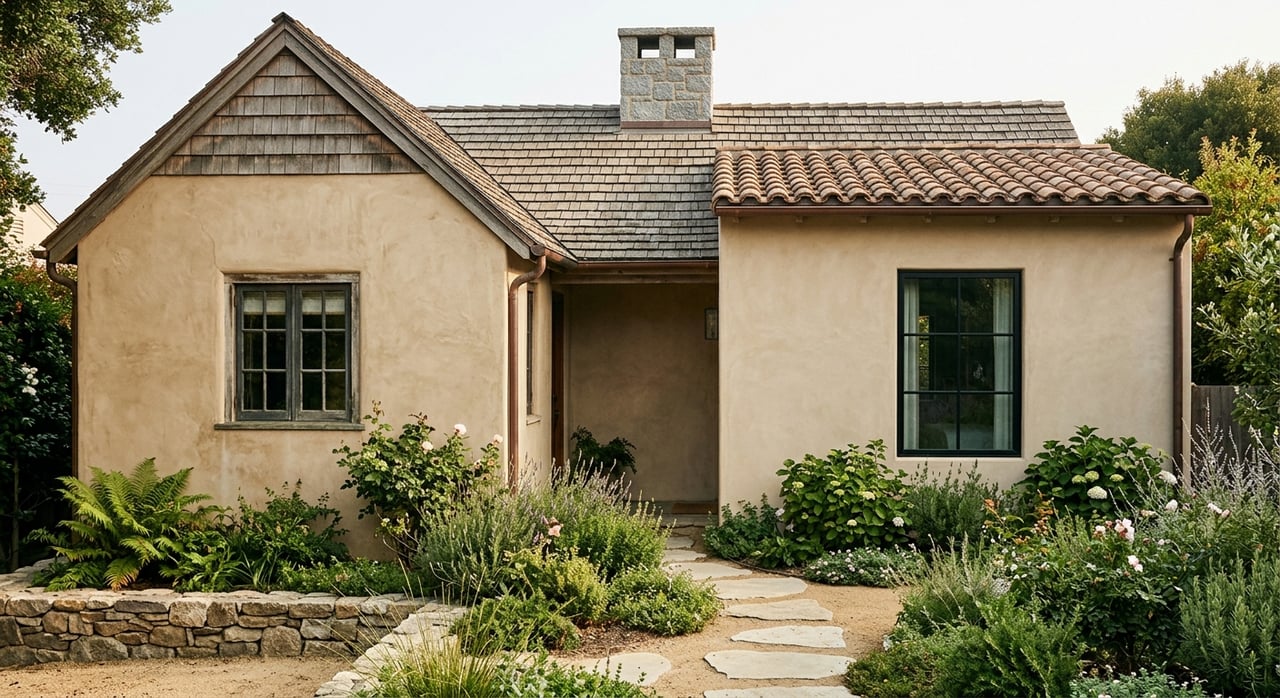
Homes tend to be smaller-lot cottages or custom homes. New construction is limited, and local design rules keep the aesthetic consistent. Inventory is often tight, and the permitting process can be more involved given coastal oversight and historic character.
Carmel Valley offers more room to spread out. You will see single-family neighborhoods, small acreage properties, and equestrian areas along with tasting rooms and trailheads. The atmosphere is relaxed and community oriented, with everyday services in convenient village centers.
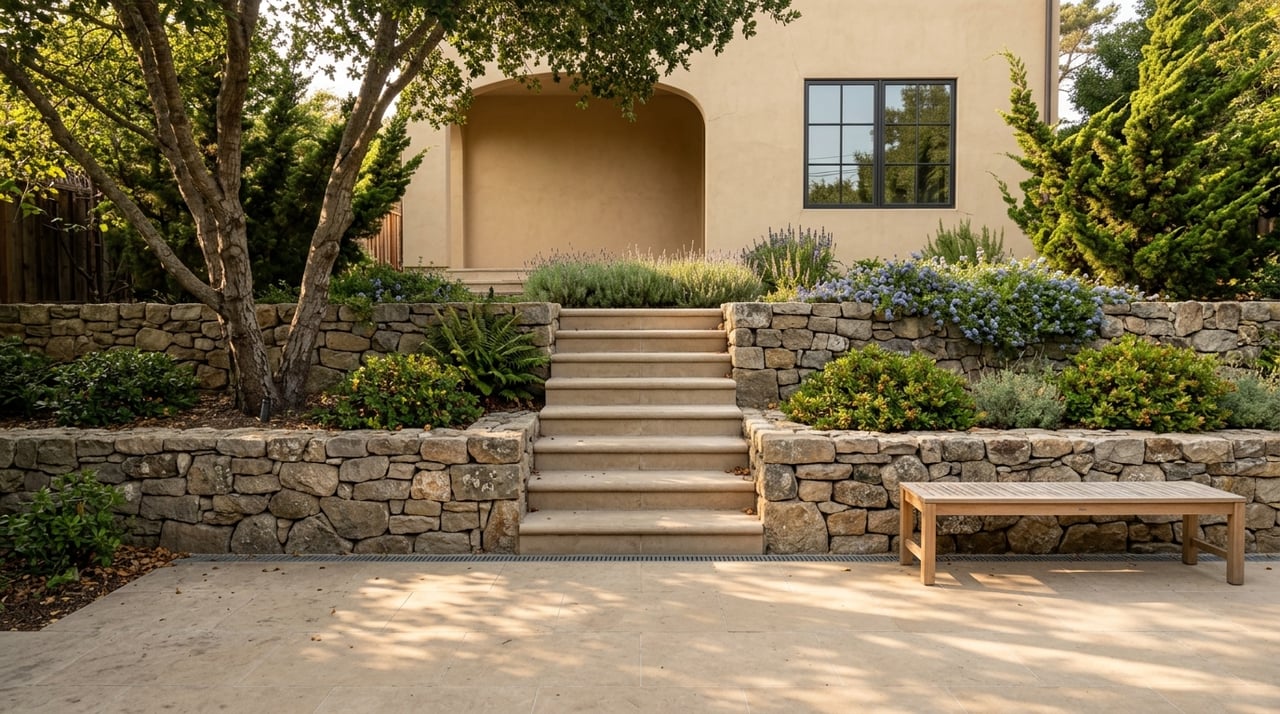
Lots are generally larger than the village, and some neighborhoods feature newer construction. Depending on the exact location, properties can be on public sewer or septic and may have private wells. The inland setting brings warmer days and a bigger focus on outdoor living at home.
Carmel-by-the-Sea typically commands higher prices per square foot because of its coastal position, limited inventory, and prestige. Carmel Valley often gives you more house and land for the money. Because numbers can shift quickly in low-inventory markets, check current figures with the local MLS or the Monterey County Association of REALTORS for the most accurate snapshot before you decide.
In Carmel, you can walk to dining, galleries, and the beach. Driving to Monterey or Pacific Grove is convenient, though parking in the village can be competitive during peak seasons. Highway access is nearby but not the focus of daily life here.
In Carmel Valley, you rely more on the car. Commutes to Monterey, Seaside, or Salinas are straightforward but longer than from the village, especially during peak periods. If you split time between the beach and wine country, living in the valley means planning your beach days rather than strolling to the sand.
Both areas are served by local public schools with community involvement. Carmel-by-the-Sea is known for small, close-knit school settings nearby. Carmel Valley has schools and parks within or near neighborhood hubs, which can appeal to households prioritizing yard space and proximity to everyday amenities. Always verify attendance boundaries and programs directly with the school district before you buy.
Carmel’s coastal microclimate brings mild temperatures and frequent marine layer. Summer days can be cool and foggy near the water. Carmel Valley is warmer with bigger day-night swings and more sun, especially in summer. If you love dining al fresco most evenings, the valley’s weather is a strong draw.
Carmel properties sit within the coastal zone where design review and coastal permitting are common. Expect thoughtful oversight on remodels, additions, and exterior changes. This helps preserve character but can lengthen timelines.
Carmel Valley has fewer coastal constraints but introduces rural considerations. Some areas are mapped for higher wildfire risk. Septic systems and private wells are common in certain pockets. Budget for the right inspections and plan defensible space where required.
Inventory, pricing, and days on market vary by micro-neighborhood and season. In general, Carmel’s scarcity and strong demand from lifestyle and second-home buyers support premium pricing and a more selective pace. Many buyers here value turnkey presentation and are less interested in heavy renovations given the permitting environment.
Carmel Valley tends to attract more primary residences and buyers focused on space and value per square foot. You may see a wider range of lot sizes and more opportunities for newer homes or additions. For current data, rely on the local MLS and the Monterey County Association of REALTORS. These sources provide the most accurate monthly trends for both communities.
Use this quick checklist to focus your search and prepare for due diligence:
If you plan to renovate, align your goals with the local framework:
Working with local professionals who understand these processes can streamline design, approvals, and construction planning.
Carmel’s scarcity, coastal setting, and preservation mindset often support long-term value. The tradeoff is less flexibility to expand and a premium paid for location and character. Homes in prime village locations can be timeless, especially when thoughtfully maintained.
Carmel Valley offers larger lots and more room to adapt over time, which can be a strong draw for many buyers. Market cycles may be more sensitive to broader trends, but the valley’s lifestyle benefits, sun, and space remain consistent selling points. Positioning, presentation, and accurate disclosures are key in both markets.
Choose Carmel-by-the-Sea if you want a walkable village near the beach, a refined dining and arts scene, and a home woven into a preserved coastal setting. You will trade lot size and expansion flexibility for charm and convenience.
Choose Carmel Valley if you want room to live outdoors, more square footage and land for the price, and sunny weather most of the year. You will drive more for beach days and account for rural services and wildfire planning in certain areas.
Wherever you land, a clear strategy and local guidance make all the difference.
Ready to compare homes or discuss your plan in detail? Reach out to the trusted local advisors at The Profeta Team for tailored guidance and a private consultation.
Stay up to date on the latest real estate trends.
We welcome the opportunity to guide you in realizing your Real Estate goals and are grateful for the clients for whom we have already had the privilege to help.
The Profeta Team
(831) 601-3207
[email protected]
Junipero Between 5th & 6th Ave
Carmel, CA 93921
Judie Profeta | CA DRE# 00703550
Julia Humason | CA DRE# 10872599
Rob Profeta | CA DRE# 01313907