Designing A Low‑Maintenance Retreat In Carmel
March 24, 2026
March 24, 2026
Salt air, foggy mornings, and ocean views are part of what you love about Carmel. They also work hard on homes, shortening paint cycles, corroding hardware, and encouraging mildew. If you want a true lock-and-leave retreat, smart choices up front can save you time and headaches later. In this guide, you will learn what materials perform best in Carmel’s coastal climate, how to plan a water-wise landscape, which interior finishes stand up to sand and moisture, and the permit steps to keep your project on track. Let’s dive in.
Carmel sits in a cool-summer Mediterranean microclimate with frequent marine fog, steady onshore winds, and salt-laden air. The Monterey Peninsula typically sees about 15 to 21 inches of rain per year, mostly in fall and winter, with block-to-block microclimate shifts that matter for design. These conditions speed surface soiling, encourage mildew, and can shorten coating lifecycles compared with inland areas. You will get the best results if your home is detailed to shed water and resist chloride exposure. For regional climate context, review the Monterey Peninsula overview from Justapedia’s summary of Monterey, California.
Water use also shapes your plan. The peninsula has operated under supply constraints tied to Carmel River pumping and new water connections. Ongoing supply measures, including a desalination initiative supported by state regulators, inform irrigation allowances and landscape approvals. Build your design around low-water planting and efficient irrigation, and plan permits early. See the latest decision context from California American Water and the CPUC.
Finally, many exterior changes near the coast trigger local review. Before committing to materials or major exterior work, contact the City of Carmel-by-the-Sea Planning & Building Department. Projects in beach or riparian overlays, bluff-adjacent work, and significant exterior changes may require a Coastal Development Permit and design review. Start here: City of Carmel Planning & Building.
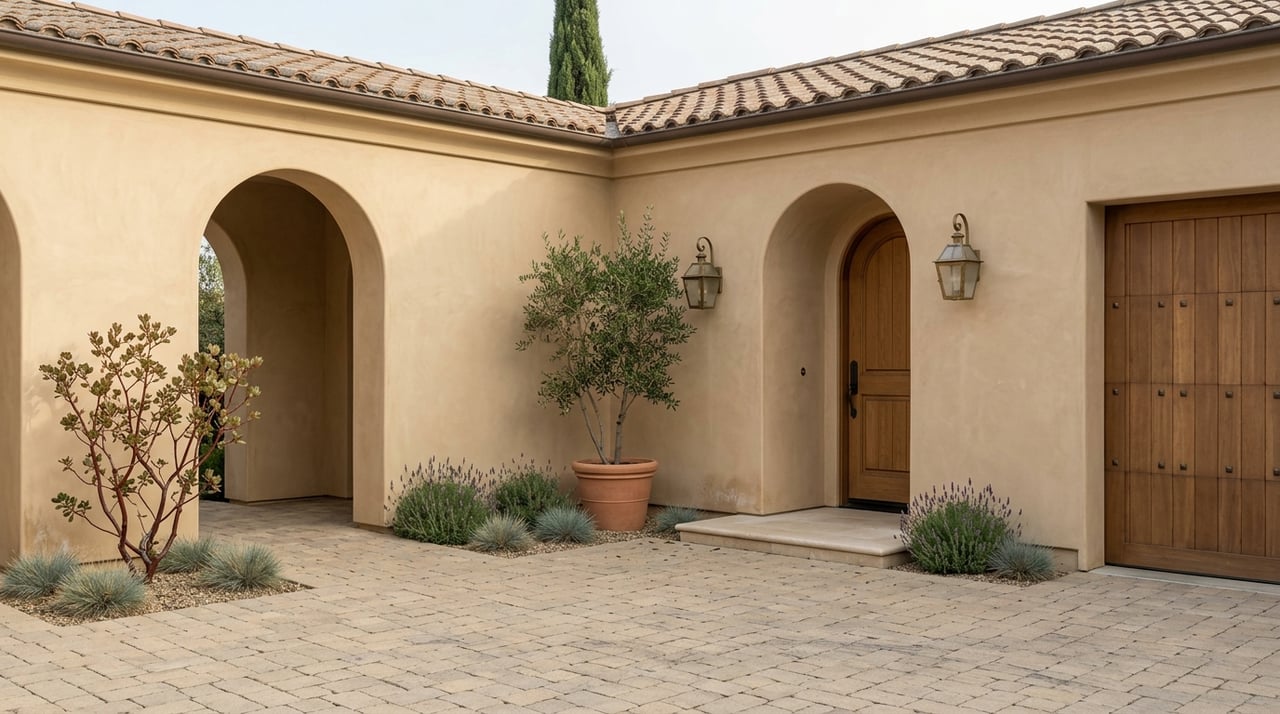
For siding, favor assemblies that dry quickly and resist moisture. Fiber-cement with a ventilated rainscreen, well-detailed stucco systems over breathable membranes, and quality stone or engineered-stone veneers are reliable, low-care options. Whatever you choose, detail continuous flashings, open drainage paths, and clear drip edges so salt-laden water sheds cleanly. Avoid exposed softwoods unless you are ready for a strict refinishing schedule.
Coastal air is unforgiving on coated metals. Specify high-performance PVDF finishes that meet AAMA 2605 on painted or powder-coated aluminum elements such as window frames, railings, and gutters. These coatings are tested for extended salt-spray, UV resistance, and color retention, which reduces repainting and touch-ups over time. Learn more about AAMA 2605 performance from Linetec’s coastal finish guidance.
Use marine-grade hardware. Type 316 or 316L stainless steel fasteners, brackets, and exposed connectors are the standard in direct salt exposure. They resist pitting and tea staining better than 304 stainless. When two different metals touch, separate them with non-conductive washers or gaskets to avoid galvanic corrosion. See a technical overview in Grabber’s corrosion resistance guide for fasteners.
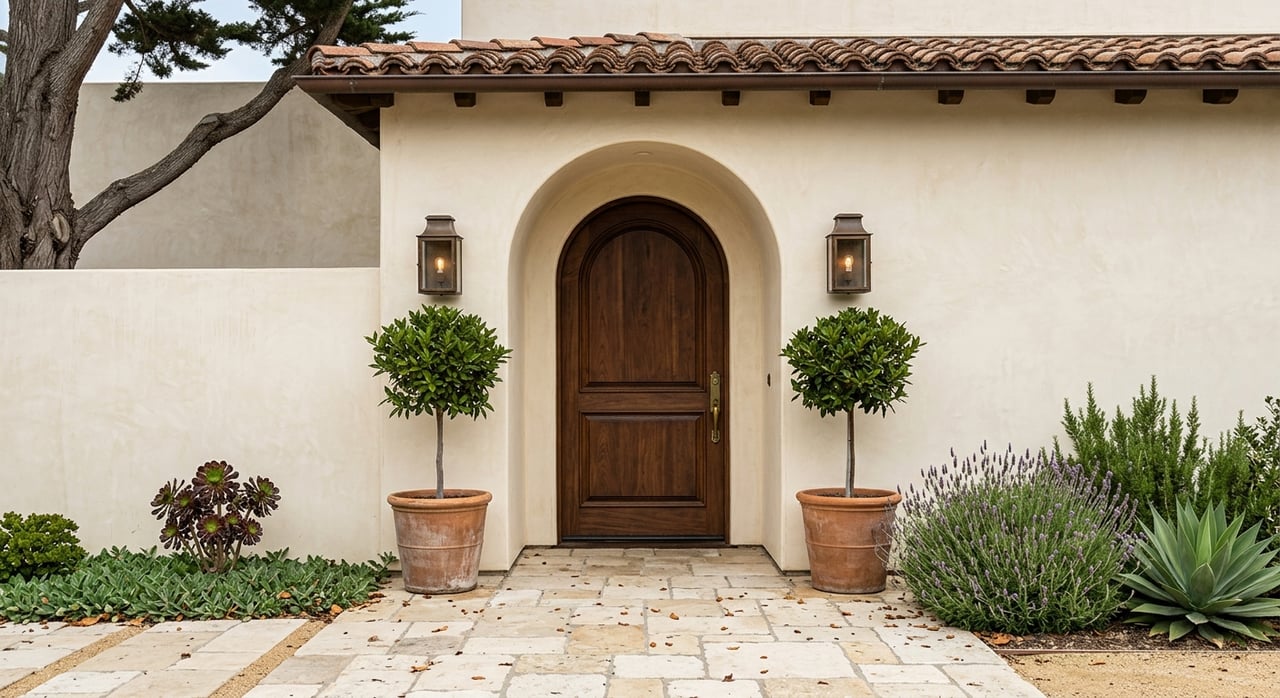
Standing-seam aluminum roofs with a PVDF finish perform well, as do quality coated metal systems and glazed concrete or clay tile. Avoid untreated steel and pay extra attention to flashings, underlayments, and stainless fasteners. Plan annual roof and gutter inspections after the winter storm season to catch sealant wear and debris. For a high-level look at salt-air impacts on roofing, review this salt-air roofing overview.
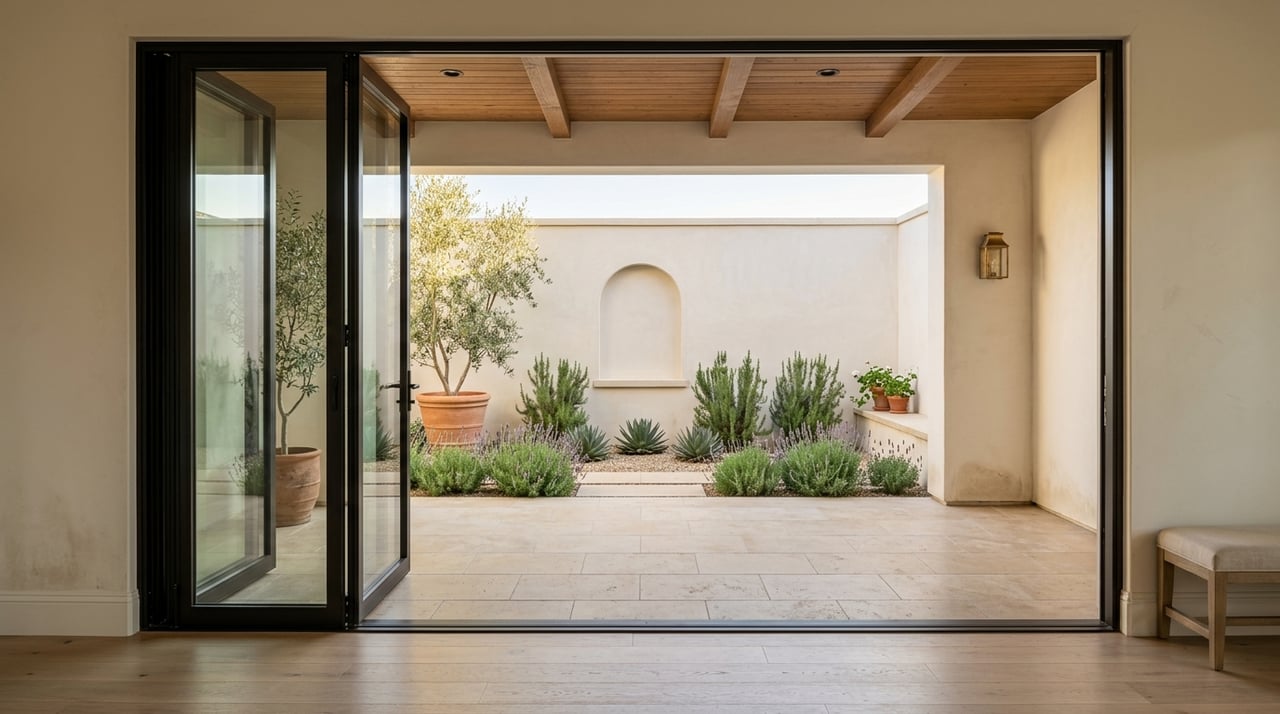
Choose frames rated for coastal exposure. Fiberglass, vinyl, or aluminum with AAMA 2605 coatings or Class I anodize are common. Insist on coastal-grade hardware in 316 stainless, tested water-penetration performance, and properly detailed sill pans. Coating and hardware choices here can dramatically reduce corrosion issues and service calls. See coating guidance via Linetec’s coastal resource.
For low-care decks, capped composite or high-performance PVC boards minimize rot and refinishing. Pair them with powder-coated aluminum rails finished to AAMA 2605 standards or 316 stainless cable and fittings. Manufacturer warranties often require periodic rinsing in salt air. Most composite decking needs simple soap-and-water cleaning one to two times per year, with more frequent rinses in heavy salt zones. See care guidance in Trex’s maintenance recommendations.
Given regional water limits and evolving supply solutions, assume conservative irrigation budgets from the start. Use drip irrigation, smart controllers, and separate hydrozones so plants receive only what they need. Early coordination on irrigation plans can streamline permits. Get regional context from California American Water’s update on the Monterey Peninsula Water Supply Project.
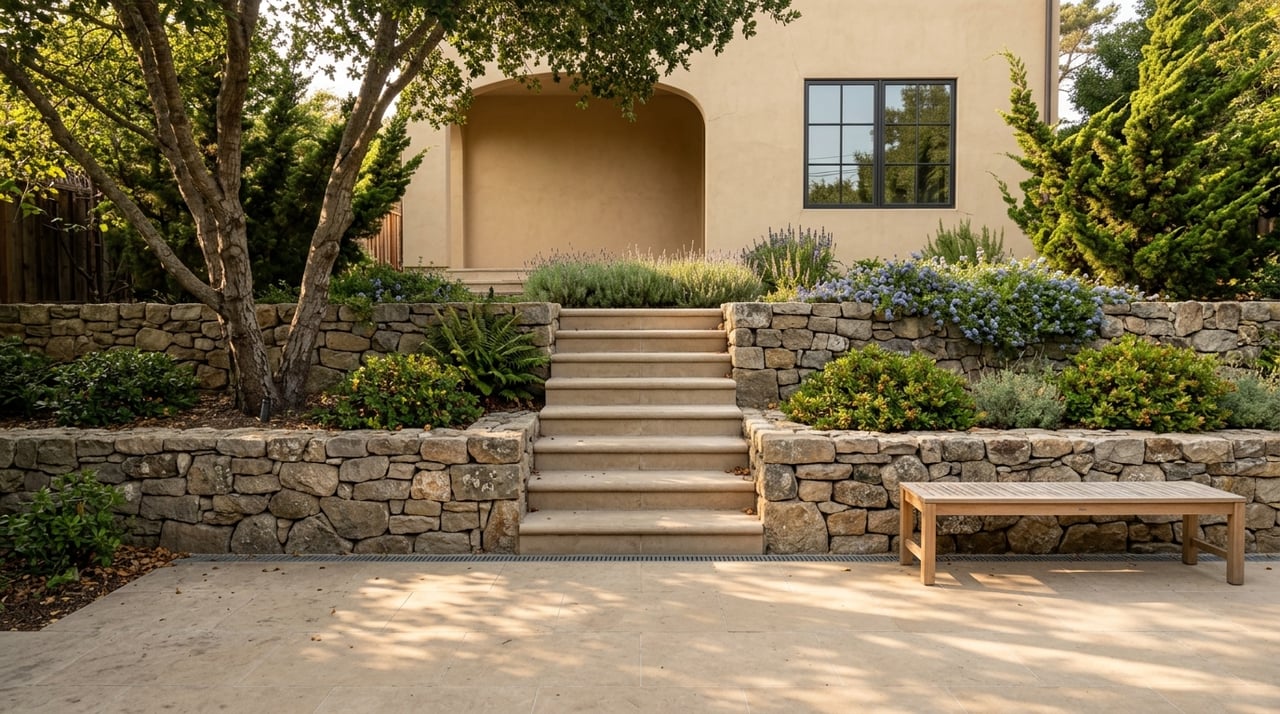
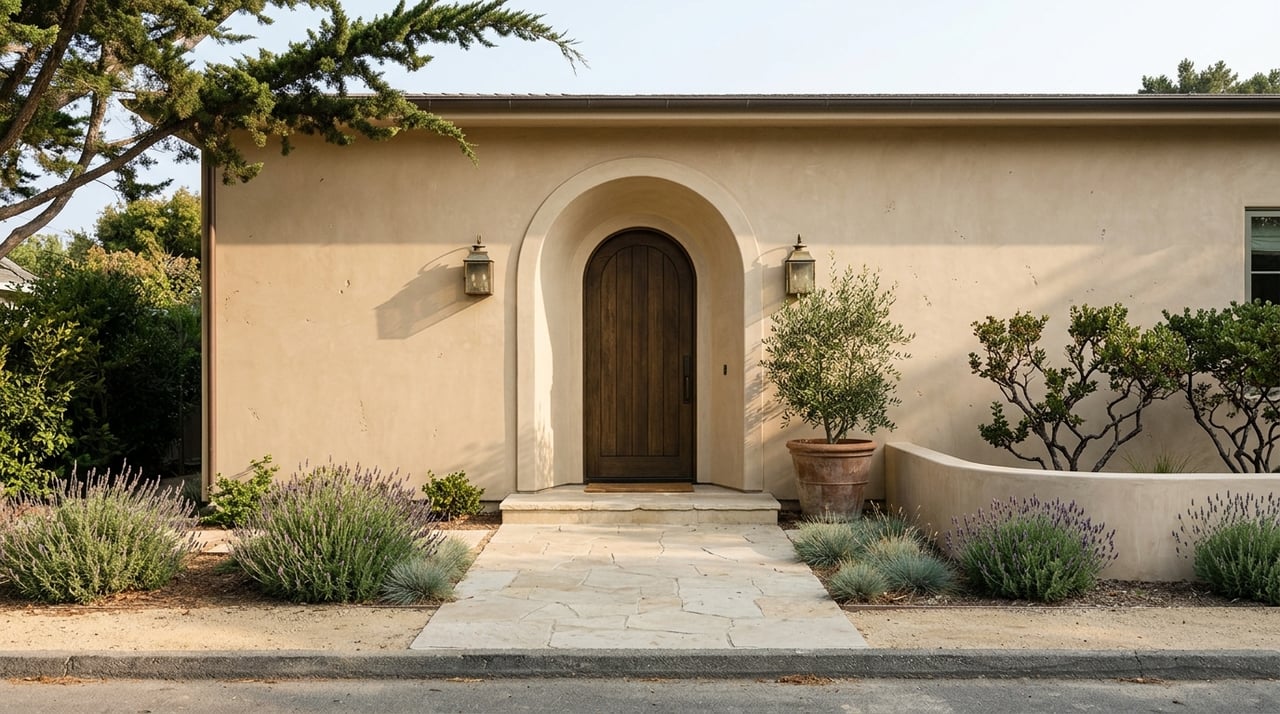
Lean on Monterey Coast natives and other salt-tolerant, drought-adapted species. Combine shrubs, grasses, and succulents with mulch to retain moisture. Keep lawns small and purposeful. Many coastal plans encourage drought-tolerant or native planting palettes. For policy context, see the Coastal Commission’s native and drought-tolerant landscaping guidance.
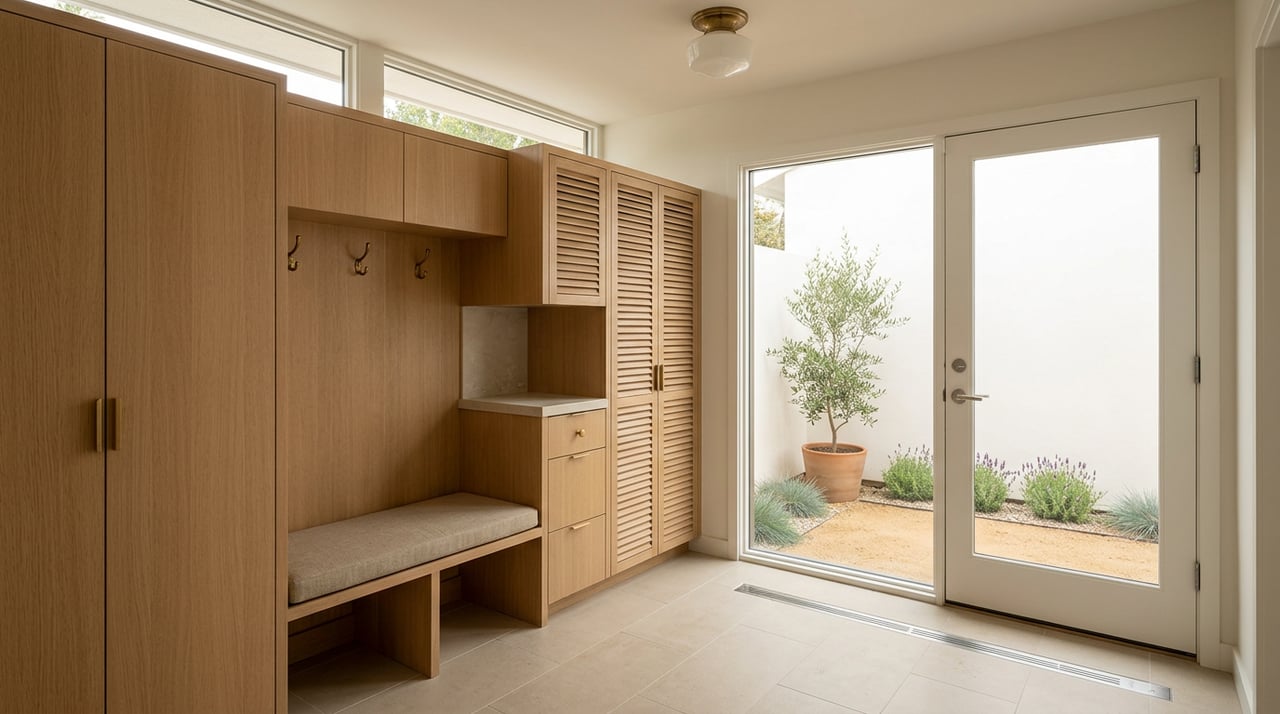
Use low-porosity pavers or porcelain for terraces to reduce staining. Slope surfaces to drain and avoid details that trap sand or salt, like planters set directly on decking without risers. Add an outdoor rinse point or shower near entries to handle beach gear, and consider a concrete or tile mudroom floor with a drain for easy cleanup.
If your home sits near a bluff or within a beach or riparian overlay, design changes are more tightly controlled and often require Coastal Development Permits. Get geotechnical input early and confirm your approvals path with the City. Start with the City of Carmel Planning & Building team before you finalize exterior work.
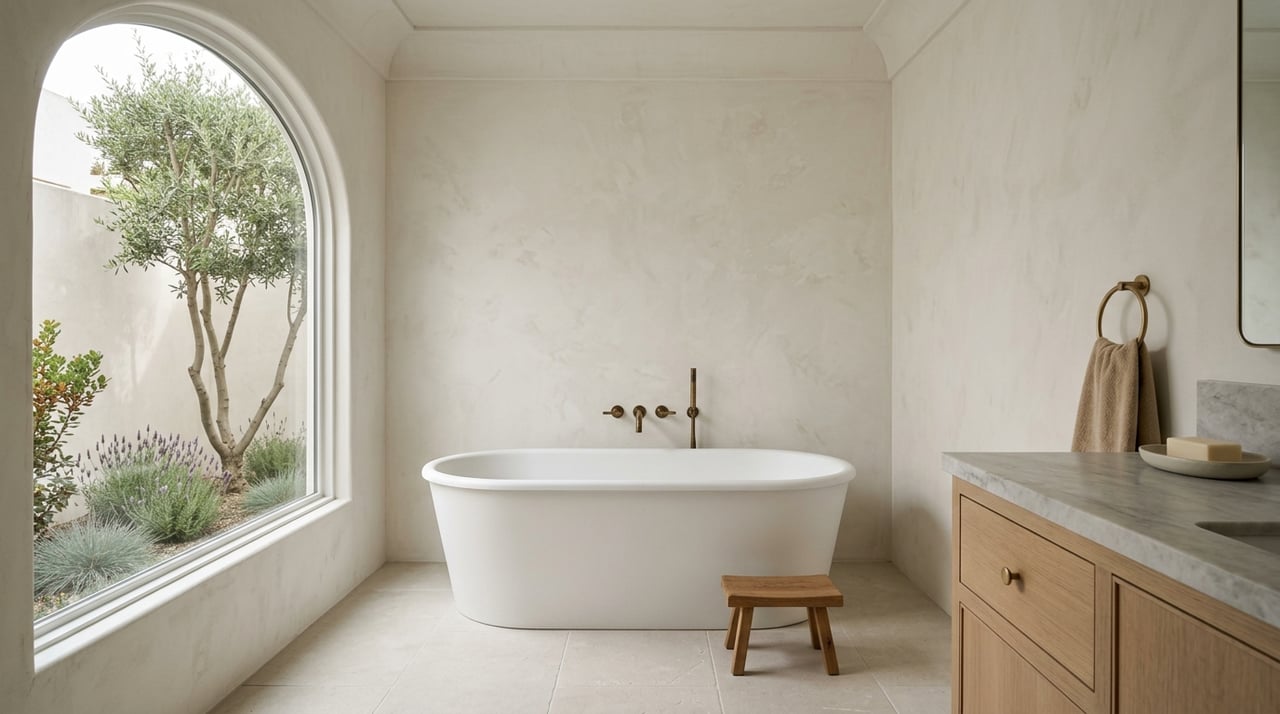
Choose finishes that manage moisture and clean easily. Waterproof luxury vinyl plank or stone-polymer composite is ideal for entries, kitchens, and high-traffic areas. Large-format porcelain tile works well in mudrooms and baths. If you prefer a wood look in living areas, engineered hardwood is more dimensionally stable than solid planks. For counters, quartz or solid-surface slabs reduce resealing and staining tasks compared with many natural stones.
Build showers using tile over cementitious or modern waterproof backer boards, installed to Tile Council of North America methods. Proper membranes, weep-hole detailing, and quality grout sealants limit water intrusion and mold risk over time.
Keep indoor relative humidity under about 50 to 60 percent to reduce mold risk. Balanced ventilation with an ERV or HRV, whole-house dehumidification, or right-sized HVAC helps, especially if the home sits closed between visits. Many HVAC manufacturers offer coastal packages or recommend protective coil coatings and routine rinsing of outdoor condensers in salt air. See humidity targets and prevention tips in the EPA’s guide to mold, moisture, and your home.
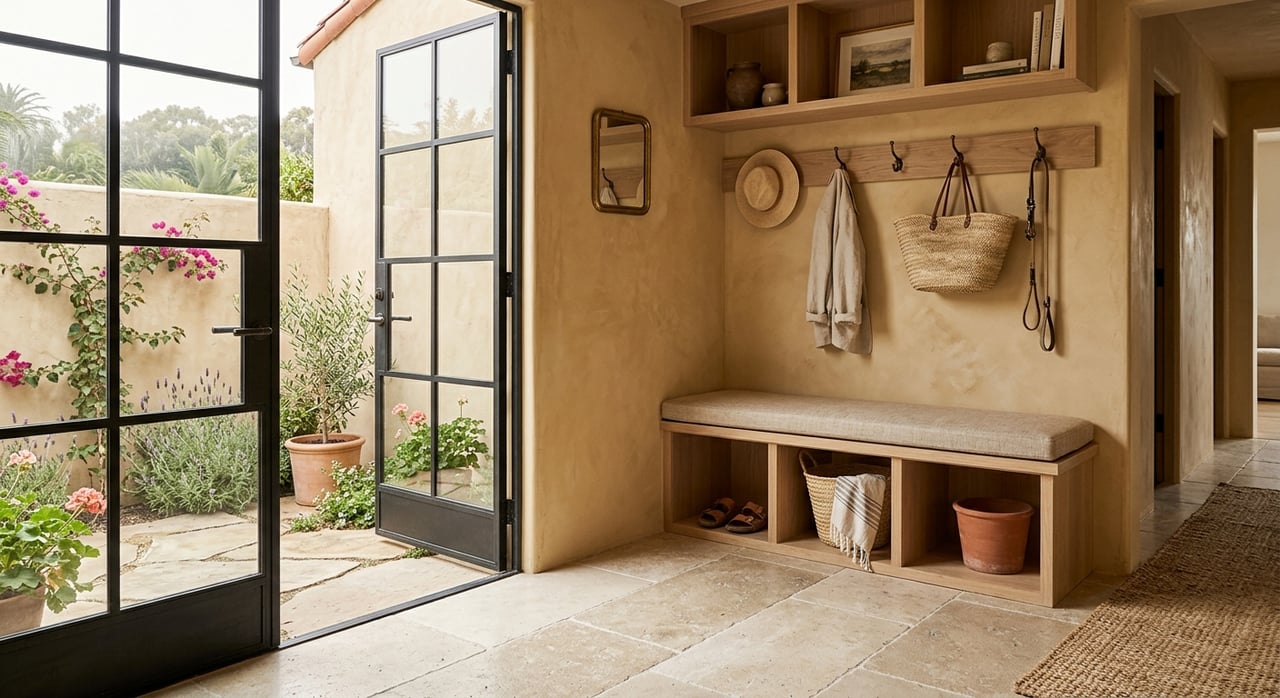
Create a sand-ready entry: non-porous flooring like porcelain tile, open hooks, ventilated cubbies, and removable trays to catch drips. If space allows, add a nearby outdoor hose bib or shower. Keep storage ventilated so damp towels and wetsuits dry fast and odors do not linger.
Schedule regular termite and wood-destroying organism inspections, and avoid untreated wood in damp zones. Annual checkups are a low-effort way to catch issues early. For background on local termite behavior, review UC guidance from UC Riverside’s entomology resource.
Check contractor licensing and bond status with the California Contractors State License Board before you sign. Ask for coastal project references and written confirmation that the team understands AAMA 2605 finishes, 316 stainless hardware, and ventilated assemblies. Start your search at the California Contractors State License Board.
Confirm with the City of Carmel-by-the-Sea if you need a Coastal Development Permit, design review, or other approvals for exterior changes, window replacements, siding, decks, or any bluff-adjacent work. Document lead times in your project schedule. Find contacts and submittal paths via City of Carmel Planning & Building.
Use this quick list to align proposals:
You can keep upkeep simple with a short, seasonal routine:
Designing a low-maintenance Carmel retreat is about choosing the right assemblies, finishes, and details once so you can enjoy the coast without constant to-do lists. If you are weighing a purchase or planning updates before listing, thoughtful, coastal-ready choices protect your time and your investment.
When you are ready to discuss the right property or a discreet pre-listing plan, connect with The Profeta Team for a private consultation.
Stay up to date on the latest real estate trends.
We welcome the opportunity to guide you in realizing your Real Estate goals and are grateful for the clients for whom we have already had the privilege to help.
The Profeta Team
(831) 601-3207
[email protected]
Junipero Between 5th & 6th Ave
Carmel, CA 93921
Judie Profeta | CA DRE# 00703550
Julia Humason | CA DRE# 10872599
Rob Profeta | CA DRE# 01313907