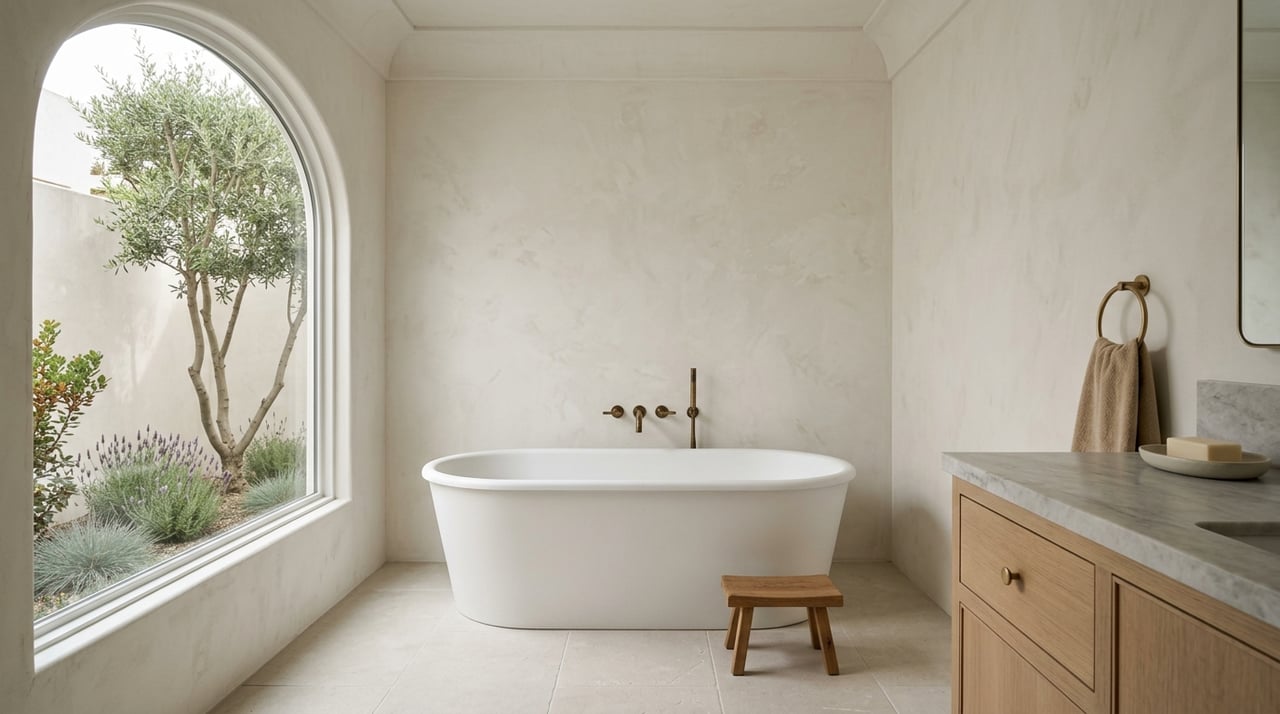
Marketing Carmel Homes To Second‑Home Buyers
April 9, 2026
April 9, 2026
If you want to attract a second-home buyer in Carmel, listing the property is only the starting point. Today’s second-home shoppers are selective, often compare multiple markets, and usually begin their search online. They want a home that feels easy to own, easy to evaluate from a distance, and worth traveling for. When you market with that buyer in mind, you can position your home more clearly and compete more effectively. Let’s dive in.
Second-home demand still exists, but the buyer pool is more specialized than it was a few years ago. According to Redfin’s 2025 analysis of HMDA data, second-home mortgages fell to 86,604 in 2024, down 5% year over year, and represented just 2.6% of all mortgages. Redfin also found that 86.4% of those loans went to high-income buyers.
That matters if you are selling in Carmel. A second-home buyer is often financially capable, but also careful, comparison-driven, and focused on convenience. They are less likely to respond to generic marketing and more likely to engage with listings that feel polished, informative, and simple to understand from afar.
The broader 2025 market adds another layer. NAR reports that inventory was extremely limited during the most recent transaction period, while mortgage rates averaged 6.69%. In a market like that, your listing needs to reduce uncertainty and make the ownership story feel straightforward.
For many second-home buyers, ease of ownership is part of the appeal. They may not live in the home year-round, so they tend to value properties that feel manageable between visits. That makes lock-and-leave positioning one of the most important parts of your marketing.
Freddie Mac’s guidance for second homes says the property should be suitable for year-round occupancy and available for personal use for more than half the calendar year, with only limited short-term rental use. Based on that framework, sellers should highlight features that suggest comfort, usability, and low day-to-day effort, not rental speculation.
In practical terms, that means your marketing should emphasize details like:
If your Carmel home offers these advantages, they should be visible in the listing description, photography, and showing experience. The goal is to help a buyer imagine arriving, settling in quickly, and enjoying the home without a long to-do list.
Second-home buyers often start the same way other buyers do, online, but they rely on digital presentation even more heavily because they may be evaluating the property from another city, state, or country. According to NAR’s buyer and seller profile snapshot, all home buyers used the internet in their search, and 43% started online. NAR also notes that buyers find photos, detailed property information, floor plans, and virtual tours especially useful.
That means your listing should be ready before it ever goes live. If the home is targeting a second-home audience, the marketing package needs to answer key questions before a buyer asks them.
A strong digital package should include:
For a high-value Carmel home, this is not extra polish. It is a core part of the sales strategy. A buyer who is considering several second-home markets may narrow the list quickly based on presentation alone.
Second-home buyers are not only choosing a house. They are choosing how they want their time away from home to feel. That is why the area story matters so much.
Realtor.com’s seller guide notes that buyers often buy the area first and care about nearby features such as parks, restaurants, shopping, and other attractions. For Carmel sellers, that means the listing should present the property within a broader lifestyle context.
Your marketing can do that by clearly showing how the home fits into a buyer’s routine when they are in town. Depending on the property and what is factually supportable, that may include proximity, convenience, and the overall ease of enjoying the area. The point is not to oversell. The point is to help buyers understand what ownership feels like beyond the front door.
For second-home buyers, travel access is often a practical decision factor. If someone expects to use the home regularly, they may compare how easy it is to get in and out of the region against other second-home destinations.
In Orange County, John Wayne Airport reported 11,089,405 passengers and 334,554 aircraft operations in 2024. That kind of regional access matters because second-home buyers often want a predictable and efficient travel pattern.
When appropriate, your marketing should acknowledge that convenience. You are not just selling the property itself. You are also selling how easy it is to maintain a rhythm of use, whether that means quick weekend trips, seasonal stays, or hosting visiting family and friends.
A second-home buyer is not always waiting to find your property through a standard search. Many come through relationships, referrals, brokerage networks, and targeted exposure. That is why broader outreach matters.
According to Realtor.com’s seller guide, an effective marketing approach can include MLS exposure, company websites, social media, direct mail, email campaigns, open houses, local office promotion, and outreach to top local professionals and referral sources. For second-home properties, that wider net can be especially valuable.
This approach aligns well with a boutique, high-touch marketing plan. Instead of relying on passive exposure, you create multiple paths for the right buyer to discover the home. That is often the better strategy when the audience is affluent, out of area, and not purely search-driven.
Pricing is always important, but it becomes even more important when your target buyer has options and limited urgency. A second-home buyer can delay, pivot to another market, or simply wait for a listing that feels better aligned with value.
Recent local data supports a disciplined approach. Orange County REALTORS reported 1,107 existing single-family home sales in March 2025, 886 in February 2025, 743 in January 2026, and 817 in February 2026. February 2026 also posted a 100.0% sales-to-list price ratio.
The most reliable takeaway is simple: launch when your home is fully prepared and when local comparable sales support the price. Rather than trying to guess the perfect month, focus on timing the market entry around readiness, presentation, and evidence-based pricing.
Second-home buyers often ask about future flexibility, but your marketing should stay grounded in facts. It can be risky to frame a second home primarily around expected rental income.
Fannie Mae’s guidance says rental income from a borrower’s principal residence or a second home generally cannot be used to qualify for the loan. That is one reason seller messaging should focus on lifestyle, usability, and ownership fit rather than projected cash flow.
Ownership costs also deserve careful attention. According to Orange County assessment guidance, California property tax is based on a 1% base tax rate plus certain voter-approved indebtedness, and supplemental assessments may be issued when a property changes ownership or has new construction.
For that reason, buyers should be encouraged to speak with their lender, CPA, and attorney about:
NAR also notes that second-home ownership can involve tax treatment, insurance, investment questions, and property-management considerations. Clear expectations build confidence, and confidence helps serious buyers move forward.
If you are marketing a Carmel home to second-home buyers, the most effective strategy is usually the most thoughtful one. You want the property to feel beautifully presented, easy to understand, and easy to own.
That usually means focusing on a few essentials:
In a selective market, second-home buyers respond to confidence, clarity, and quality. That is where careful planning makes a real difference.
When you are ready to position your home with the level of strategy, presentation, and local insight this audience expects, The Profeta Team can help you craft a tailored marketing plan with concierge-level guidance from start to finish.
Stay up to date on the latest real estate trends.
We welcome the opportunity to guide you in realizing your Real Estate goals and are grateful for the clients for whom we have already had the privilege to help.
The Profeta Team
(831) 601-3207
[email protected]
Junipero Between 5th & 6th Ave
Carmel, CA 93921
Judie Profeta | CA DRE# 00703550
Julia Humason | CA DRE# 10872599
Rob Profeta | CA DRE# 01313907