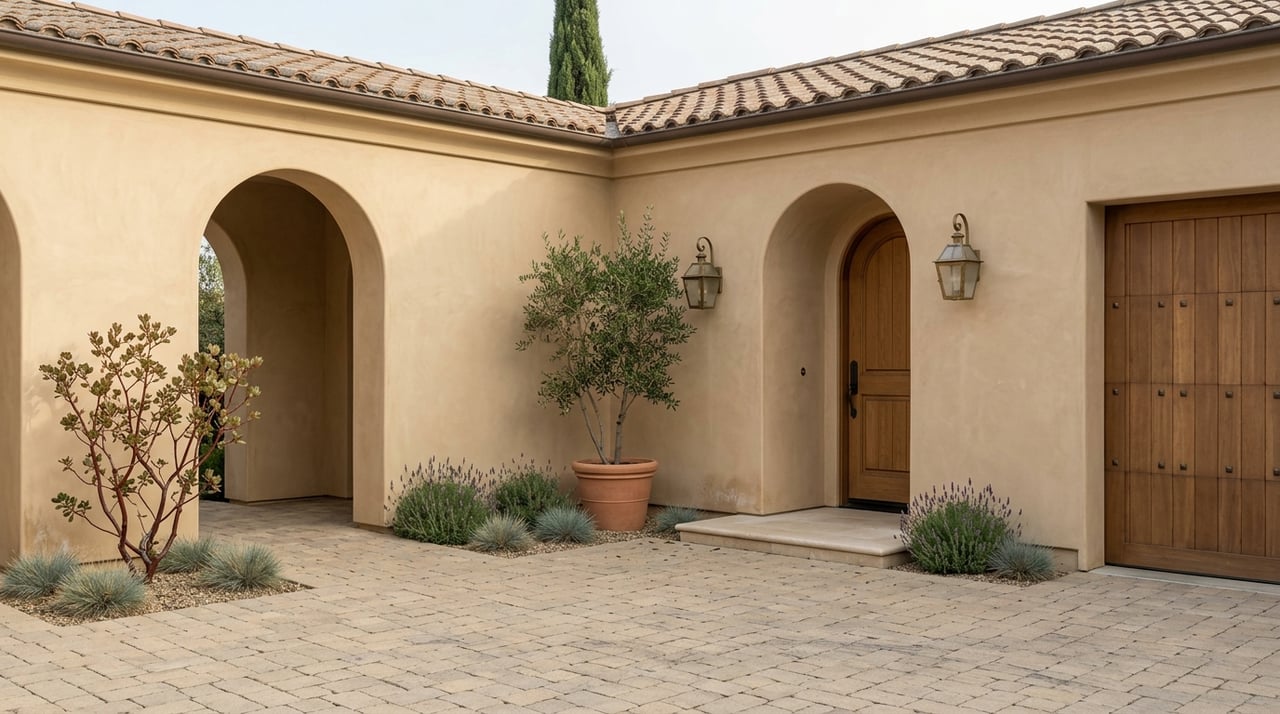
What Cash Buyers Should Know In Carmel’s Market
April 23, 2026
April 23, 2026
If you are planning to buy with cash in Carmel, you may have a real edge, but cash is not a free pass to skip the details that protect you. In a market where premium homes can move quickly and due diligence can be layered, the smartest buyers balance speed with careful review. Here is what cash really changes, what it does not, and how to move through Carmel’s market with confidence.
Carmel remains a high-value, low-turnover market, which helps explain why cash carries weight here. According to Redfin’s Carmel-by-the-Sea housing market data, the median sale price was $4.4 million in March 2026, and the average home sold in 11 days.
At the national level, cash is especially common at the high end. Redfin’s 2025 housing market review found that 30% of U.S. homes were bought with cash, with California standing out and luxury buyers more likely to use all-cash payments.
In practical terms, cash can make your offer look cleaner to a seller. Without a mortgage loan in the picture, you remove a major source of uncertainty and may be able to streamline parts of the closing process.
A cash purchase usually means you are not waiting on mortgage approval, lender underwriting, or the mortgage disclosure process. The Consumer Financial Protection Bureau notes that mortgage loans involve lender-specific steps such as appraisal review and loan disclosure workflows that do not apply in the same way when you are not borrowing.
That can simplify timing, but it does not guarantee an instant close. In California, escrow and title still play central roles, and seller timing, inspections, and document review still affect the schedule. The California Department of Real Estate’s escrow overview explains that escrows are commonly handled by independent escrow companies or title companies, with required disclosures and title review still part of the process.
The biggest contractual difference is often the financing contingency. Cash buyers can typically remove that piece, but that does not mean every other protection should disappear with it.
Even in a competitive market, a cash offer should not push you into avoidable risk. The CFPB advises buyers to keep a satisfactory inspection contingency and continue title review, even when financing is not part of the transaction. You can review that guidance in the CFPB’s home search resources on finding the right home.
Sellers also still want confidence that your funds are available. Realtor.com advises cash buyers to have proof of funds ready, because it strengthens credibility and supports negotiation. In other words, cash helps most when it is documented clearly and presented well.
If you want your offer to stand out, be ready to show that your money is available and accessible. A seller who sees a clean offer backed by proof of funds may feel more comfortable moving forward, especially when timing matters.
This is one area where preparation can make a noticeable difference. A well-organized cash buyer often has stronger negotiating leverage because the seller is weighing certainty, not just price.
The most common mistake cash buyers make is treating cash like a shortcut around due diligence. In Carmel, that can be expensive.
The CFPB recommends an independent home inspection so you can identify major issues as early as possible. If your contract includes an inspection contingency, you may be able to cancel without penalty if the results are not acceptable. You can review that recommendation in the CFPB’s guide to scheduling a home inspection.
Even if a property appears beautifully maintained, an inspection can reveal condition issues that affect cost, timing, or your long-term plans for the home. For cash buyers, this is often the key protection that keeps a fast purchase from becoming a rushed one.
Title review still matters, even without a lender requiring it. The CFPB explains that owner’s title insurance protects your financial investment if a pre-existing claim surfaces later, while lender’s title insurance protects the lender, not you.
Because you are bringing your own capital to closing, it is especially important to understand what you are actually receiving and whether any title issues need to be resolved before funds move.
Carmel adds a local layer that many out-of-area buyers do not expect. The city states that Carmel-by-the-Sea lies entirely within the coastal zone and operates under a certified Local Coastal Program.
That matters if you are thinking about renovations, expansions, or other changes after closing. Some projects may require separate Coastal Development Permit review, and the city also requires permits for certain construction work, with stop-work orders and double permit fees possible if work begins before permits are issued.
If you are buying a property with future improvements in mind, this is worth understanding before you close, not after.
Natural-hazard review is another step cash buyers should take seriously. CAL FIRE’s Fire Hazard Severity Zone information explains how areas are classified as moderate, high, or very high, and California disclosure rules require sellers to disclose when a property is in mapped hazard areas.
The CFPB also recommends that buyers look into disaster risk and insurance availability during the home search itself, not at the last minute. Its guidance on shopping for homeowners insurance notes that standard homeowners insurance typically does not cover flood damage, so you may need to confirm whether separate flood coverage is necessary.
For a coastal property, insurance cost and availability can influence your true cost of ownership just as much as the purchase price.
One of the biggest misconceptions about buying with cash is that it eliminates closing costs. It does not.
According to the CFPB’s homebuying guidance on how much you want to spend, typical closing costs often range from 2% to 5% of the purchase price. While you may avoid some lender-related fees, title, escrow, insurance, and other third-party services can still add up quickly in a high-value transaction.
For Carmel buyers, that means your liquidity plan should cover more than the purchase price alone.
Cash can often move faster than a financed offer, but speed still depends on the work that remains. Escrow, title review, disclosures, inspections, and the seller’s timing all shape the calendar.
In a market like Carmel, where homes can trade quickly, the real advantage of cash is often flexibility. You may be able to meet a seller’s preferred timeline more easily, but a strong close still depends on careful coordination, not speed alone.
Fast-moving deals can create openings for fraud, especially just before closing. The CFPB warns in its guidance on mortgage closing scams that scammers may spoof agents or settlement professionals and send fake wiring instructions.
Before sending funds, verify transfer instructions by phone or in person rather than relying on email alone. This simple step can protect a substantial amount of money.
If you are buying with cash in Carmel, your advantage is not just that you can move quickly. Your real advantage is that you can pair certainty with discipline.
That means presenting proof of funds clearly, keeping inspection and title protections in place, reviewing coastal and permit considerations early, and confirming hazard and insurance details before the final wire goes out. In a market this nuanced, careful preparation tends to outperform rushed confidence.
When you want local guidance that matches the complexity of a premium coastal purchase, working with a team that knows Carmel’s micro-markets, timelines, and transaction details can make the process far smoother. If you are considering a purchase in Carmel or the surrounding Peninsula communities, connect with The Profeta Team for experienced, high-touch guidance tailored to your goals.
Stay up to date on the latest real estate trends.


We welcome the opportunity to guide you in realizing your Real Estate goals and are grateful for the clients for whom we have already had the privilege to help.
The Profeta Team
(831) 601-3207
[email protected]
Junipero Between 5th & 6th Ave
Carmel, CA 93921
Judie Profeta | CA DRE# 00703550
Julia Humason | CA DRE# 10872599
Rob Profeta | CA DRE# 01313907