Carmel Indoor Outdoor Living Ideas That Suit Local Homes
May 7, 2026
May 7, 2026
If you have ever walked through a Carmel home and thought, this should feel even more connected to the outdoors, you are not alone. In Carmel-by-the-Sea, the climate, architecture, and forested setting naturally invite a softer boundary between inside and out. With the right design choices, you can create outdoor spaces that feel usable, comfortable, and true to the character of the property. Let’s dive in.
Carmel’s climate supports a style of living that is more about transition than exposure. Nearby Monterey climate normals show a mild annual pattern, with monthly mean highs staying in a tight range from 58.2°F in December to 68.2°F in September, while summer rainfall is very low.
That combination makes fully open spaces less practical than sheltered ones. In Carmel, the most functional indoor-outdoor spaces are often covered patios, porches, terraces, and courtyards that can still be enjoyed when the weather turns cool or damp.
Natural ventilation can also play an important role. In moderate coastal climates, operable windows and openings can help capture sea breezes, bringing fresh air into the home while strengthening that connection to the landscape.
The best indoor-outdoor living ideas for Carmel homes usually begin with spaces that feel protected. Instead of treating the yard as separate from the house, think about creating an outdoor room that extends your interior living area.
A covered patio or terrace can make outdoor living more dependable across the year. It gives you a place to dine, read, work, or relax even when there is morning mist, wind, or light winter moisture.
For many Carmel properties, this type of space feels more natural than a wide-open deck with no shelter. It also helps outdoor furniture, finishes, and door systems last longer in a coastal setting.
A porch can act as a gentle middle layer between the home and the landscape. It creates a place to pause, gather, or enjoy the setting without needing a large addition or major structural change.
In a village known for human-scale design, porches often fit the local rhythm well. They can support indoor-outdoor living while preserving the home’s sense of proportion and connection to the street or garden.
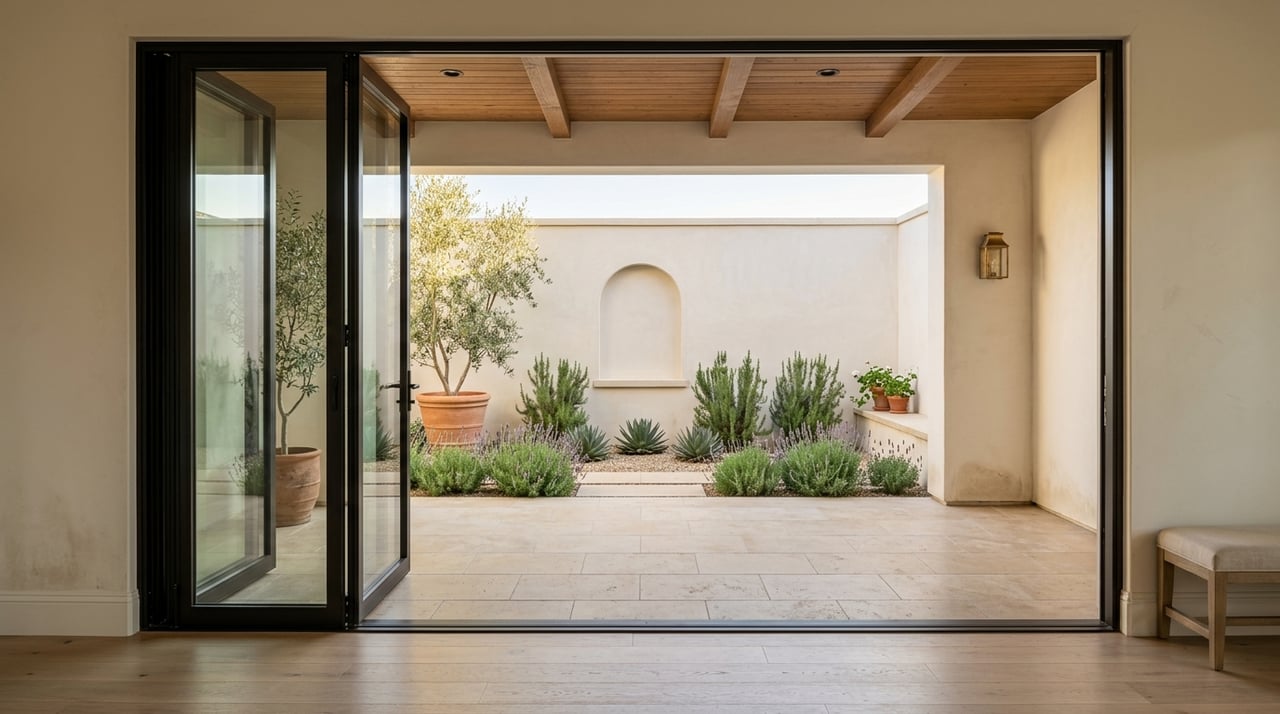
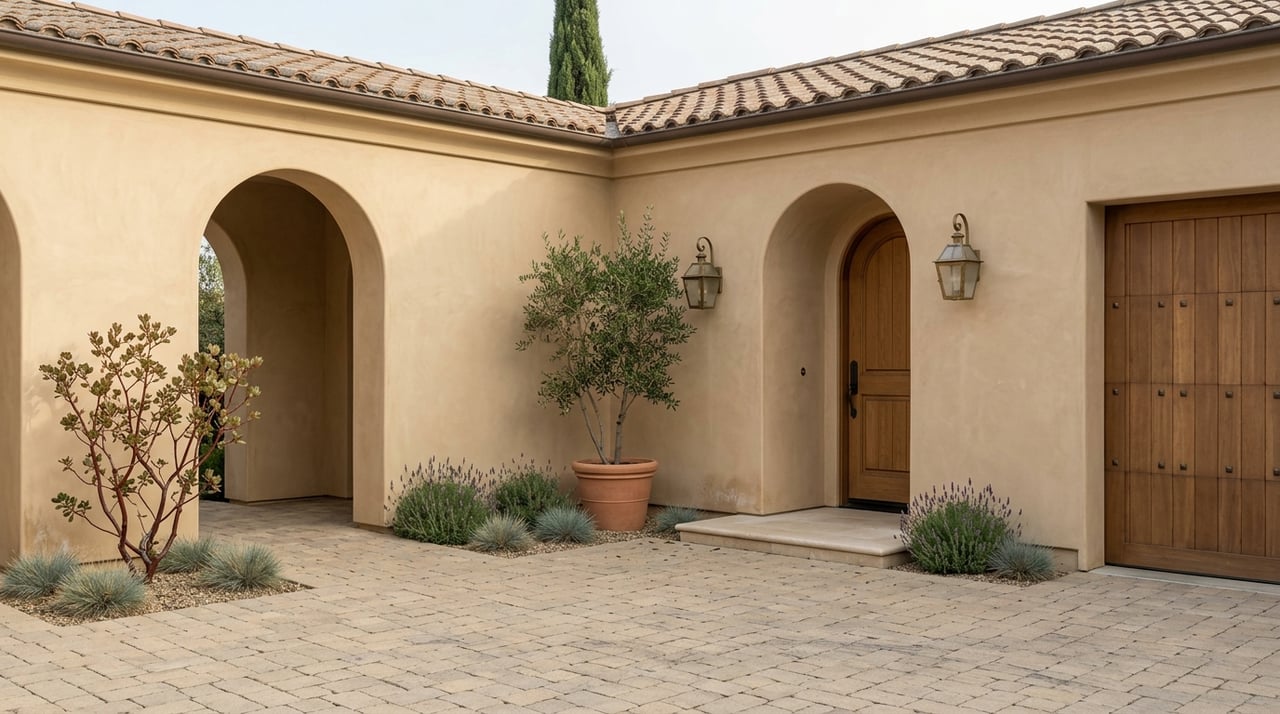
Courtyards are especially appealing in Carmel because they can deliver openness and privacy at the same time. Design guidance from the U.S. Department of Energy notes that courtyards can provide light, views, and protection from winter winds.
That makes them a smart option for homes on smaller, denser, or more view-limited lots. A well-placed courtyard can brighten multiple rooms and create an outdoor focal point without making the property feel overexposed.
Large openings can transform how a home feels, but in Carmel, they work best when they are carefully oriented and balanced with climate and design review considerations. Bigger is not always better. The goal is a calmer, more seamless experience between interior and exterior spaces.
Floor-to-ceiling glass, gliding patio doors, and broad window walls can bring in natural light and visually extend living spaces toward a terrace, courtyard, or garden. When done well, these features make the interior feel brighter and more expansive.
If you are considering larger openings, placement matters. Daylighting guidance notes that north-facing windows provide even light with less summer heat gain, while south-facing glass can be useful for winter sun when properly shaded.
East- and west-facing glass often need more care because of glare and heat. Exterior shading, awnings, and shutters can help reduce unwanted solar gain while still preserving light and views.
This is especially helpful when a room opens directly onto a patio or terrace. A comfortable indoor-outdoor design is not just about opening the wall. It is also about managing sun, glare, and temperature so the space feels good to use.
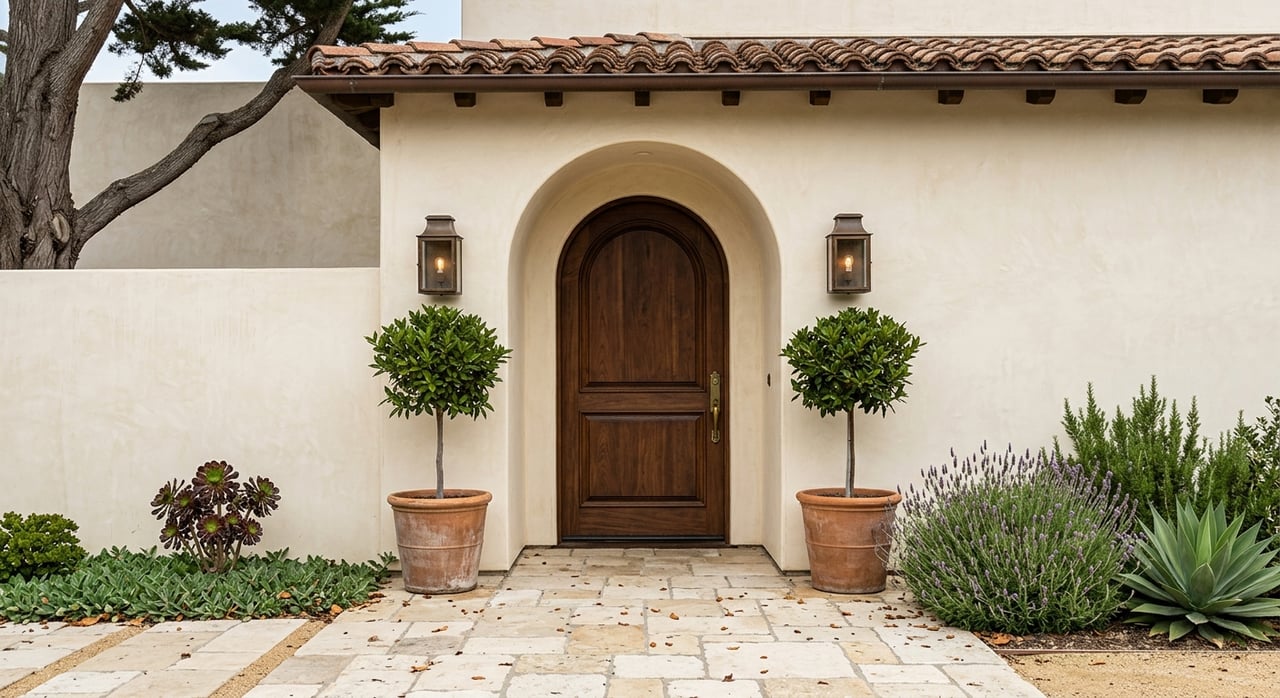
In Carmel, exterior updates should also respect the architectural language of the city. Planning guidance notes that unclad wood windows with external divided lights are the standard, and vinyl windows are discouraged.
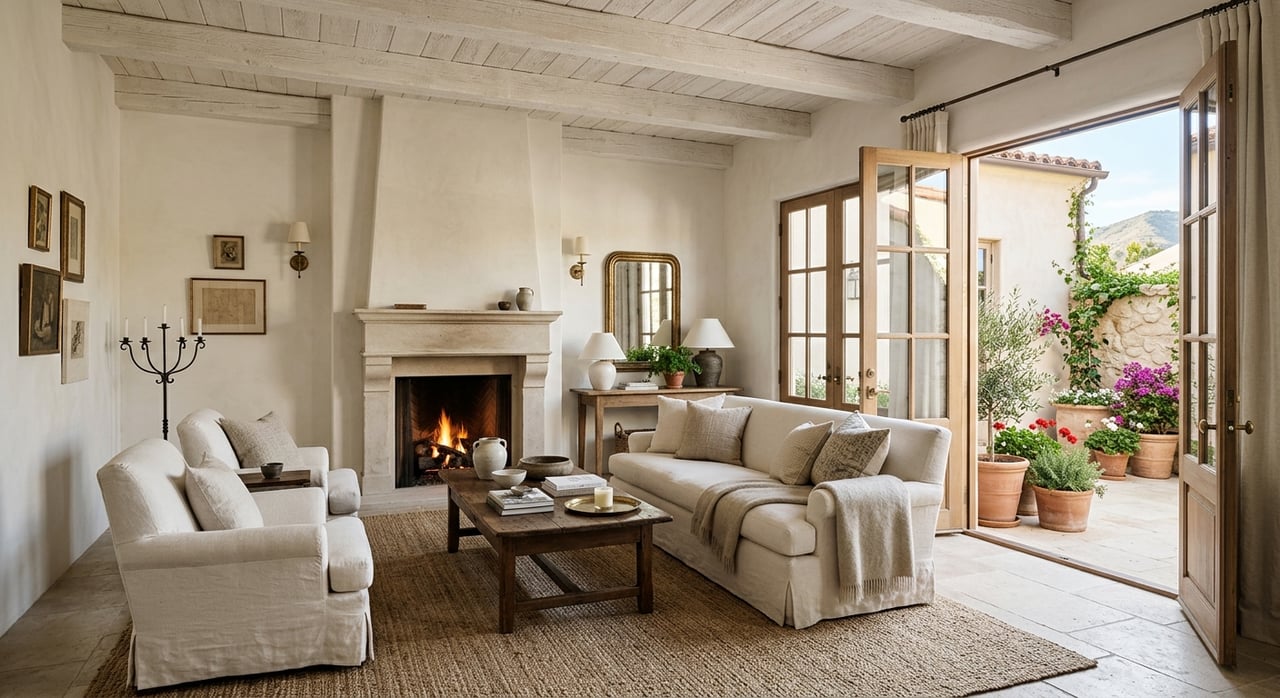
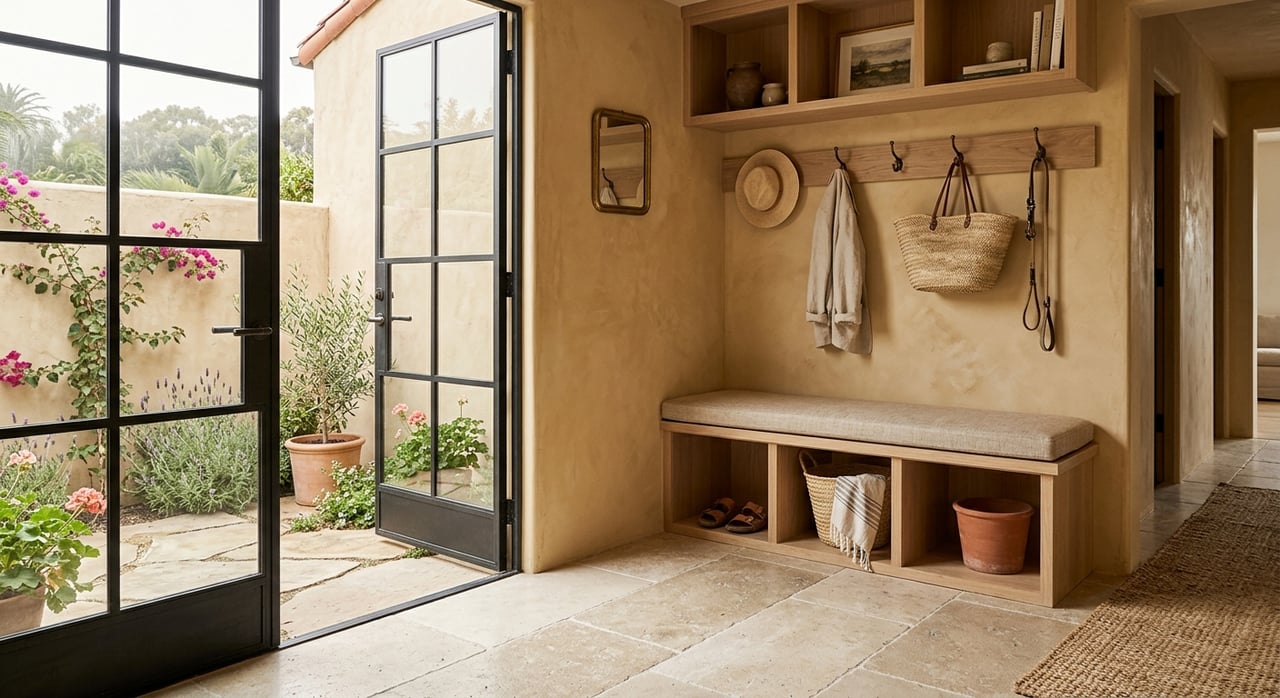
That local preference supports a more timeless indoor-outdoor look. Natural materials like wood, stone, cedar, timber, and flagstone can help connect interior and exterior spaces in a way that feels consistent with Carmel’s established character.
A beautiful patio is only useful if it feels comfortable. Shade, wind protection, and plant placement can make the difference between an outdoor area that looks good in photos and one you actually use.
Awnings can shade both windows and outdoor seating areas. This can improve comfort inside the home and create a more usable terrace or patio outside.
For Carmel homes, overhead cover often makes more sense than relying on direct sun alone. It extends the hours when you can enjoy the space and creates a more sheltered, relaxed atmosphere.
Trees, shrubs, and trellises can help cool patios and nearby hardscape. Deciduous trees can be especially useful when you want shade in warmer months but still want winter sun.
In Carmel, landscaping choices should also fit the city’s forested identity. The city’s planning and forest management guidance emphasize a village-in-a-forest character, with Monterey pine, coast live oak, and cypress contributing to the setting.
Coastal conditions require a little more foresight. Marine-adjacent environments can be corrosive, and ocean spray can damage some plantings.
That is why indoor-outdoor upgrades in Carmel often benefit from corrosion-resistant hardware, durable exterior finishes, and salt-tolerant planting where exposure is higher. These details can help preserve the look and function of the space over time.
Indoor-outdoor living is not only about surfaces and furniture. The layout of the home has a major impact on how naturally the inside connects to the outside.
The most successful layouts usually give priority to the rooms you use every day. If the kitchen, living room, or primary sitting area opens directly to a porch, terrace, or courtyard, the outdoor area becomes part of everyday life instead of a separate destination.
Even modest homes can benefit from this approach. A clear path, a wide opening, and consistent materials can make the transition feel easier and more intentional.
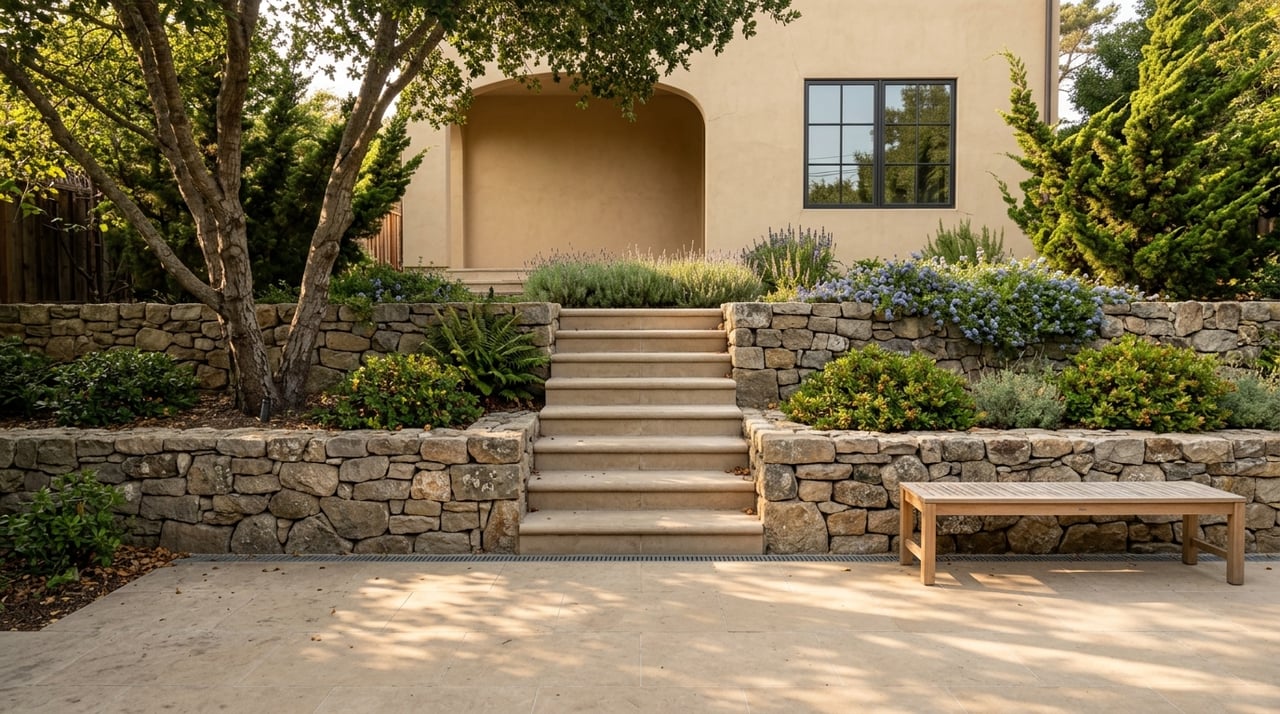
On sloping or irregular lots, split-level planning can help preserve light and create room for decks or balconies. Rather than forcing one flat outdoor zone, you may be able to create multiple connected spaces with different purposes.
That approach can be especially useful on hillside or uniquely shaped Carmel parcels. It allows the home to respond to the site while opening up more opportunities for views, privacy, and natural light.
In Carmel-by-the-Sea, exterior changes often involve more review than homeowners expect. If you are thinking about new windows, a courtyard wall, a larger terrace, a revised fence, or a covered outdoor room, early planning matters.
The city says most exterior alterations require Design Study approval, and some projects may also go to the Planning Commission. Carmel is entirely within the coastal zone and operates under a certified Local Coastal Program, so certain properties or project types may involve additional review.
Window material, size, and placement changes need approval. Fence projects also require Design Review, and front-property-line fences are expected to allow filtered views into the property.
If your home has historic status, or may have historic significance, exterior work may need another layer of evaluation. The city states that exterior alterations including roofs, siding, windows, and additions require review of historic status before development review proceeds.
Properties on the Inventory of Historic Resources require review by the Historic Preservation Consultant and approval by the Historic Resources Board. For older Carmel homes, this step is important to account for early in the planning process.
Some repairs or replacements of decks, stairs, or landings may not need separate planning review if the work is truly in-kind. But once the design changes, permits or planning review may be triggered.
In some overlay districts, a Coastal Development Permit may also be required. If your goal is to improve indoor-outdoor flow, it helps to understand where maintenance ends and a redesign begins.
Outdoor living in Carmel should feel beautiful, but it also needs to work within local water requirements. If your project includes a new or substantially updated landscape, the rules can affect both design and budgeting.
The Monterey Peninsula Water Management District serves Carmel-by-the-Sea and nearby communities. Its water-efficient landscape rule applies to new landscapes over 500 square feet that are tied to grading, building, or design approvals, and to refurbished landscapes over 2,500 square feet.
Residential landscapes over 5,000 square feet and non-residential landscapes over 1,000 square feet require dedicated landscape meters or submeters. For qualifying projects, a complete landscape documentation package is required before construction.
Stage 1 water conservation remains in effect. The district states that irrigation should generally occur only before 9 a.m. or after 5 p.m. on Saturdays and Wednesdays, with exceptions for drip irrigation, hand watering with trigger nozzles, and professional gardeners.
The district also prohibits potable water from running to waste on patios, driveways, and other hard surfaces. If you are designing an outdoor room with new planting or expanded hardscape, these practical rules matter.
Efficient plant selection and irrigation design are central to compliance for larger projects. In some cases, smaller landscapes irrigated entirely with graywater or captured rainwater can follow a reduced compliance path.
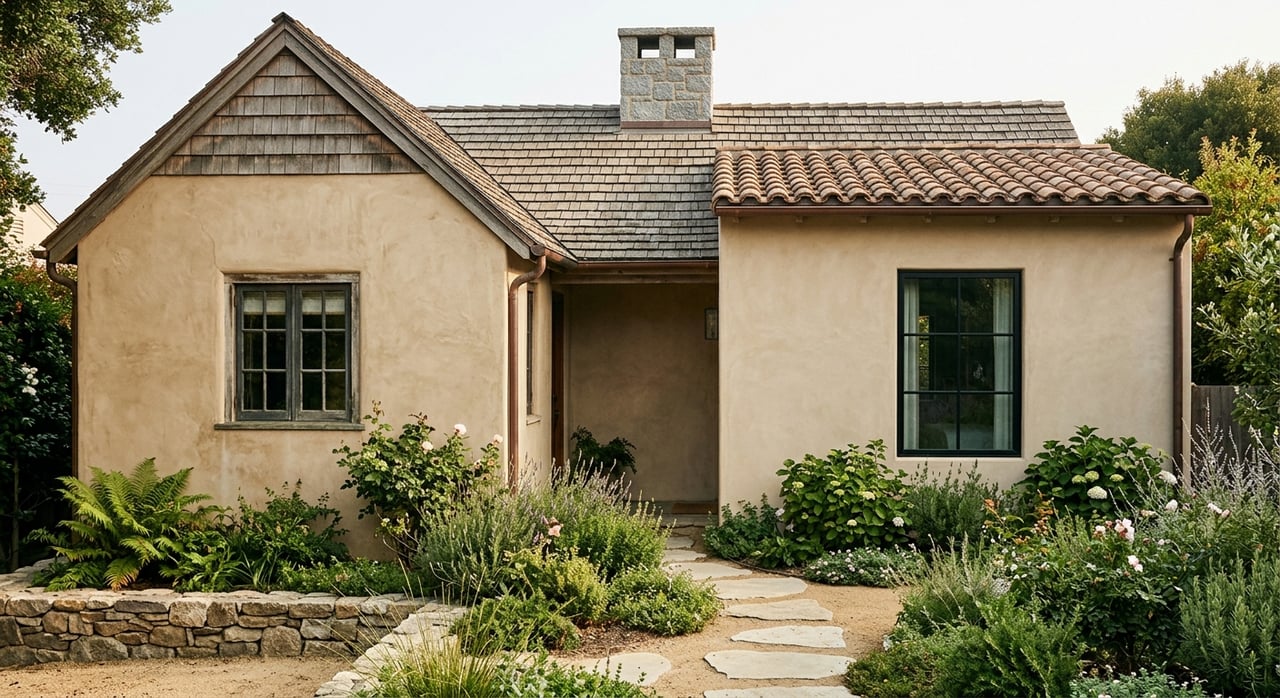
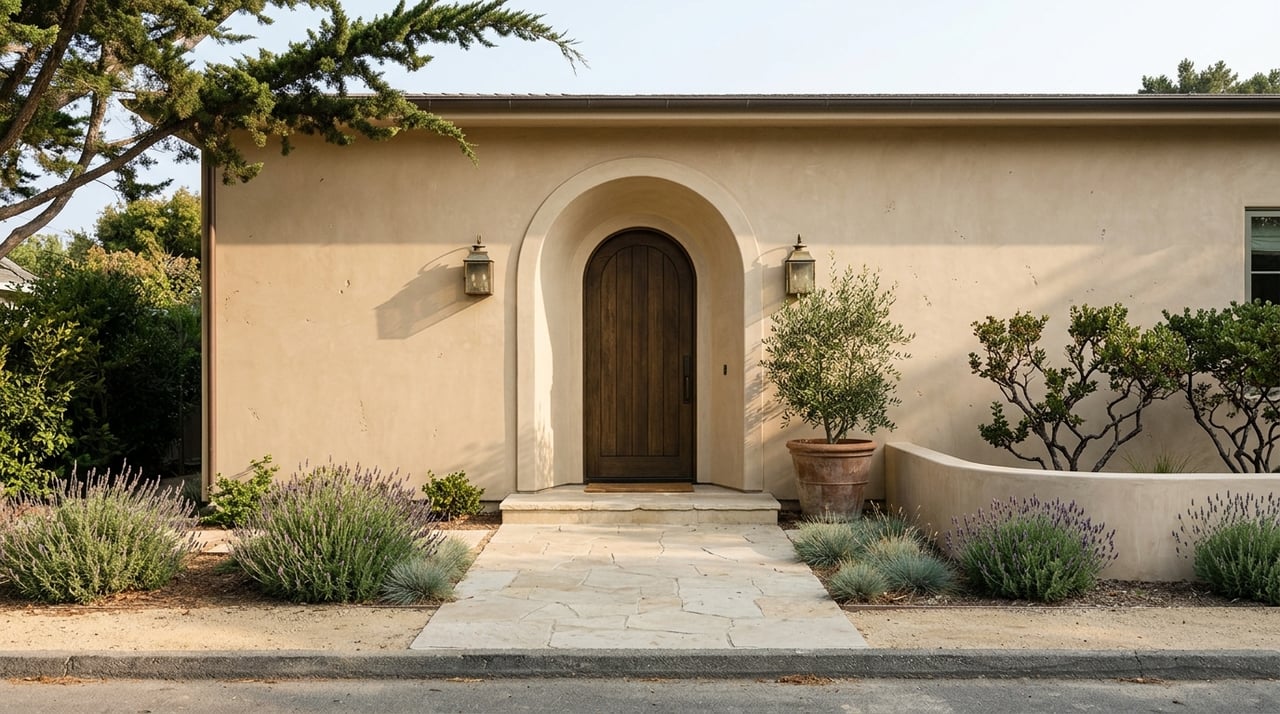
For many Carmel homeowners, a restrained landscape plan is the best fit anyway. Drought-tolerant planting, natural materials, and a layout that supports the property’s forested setting often align well with both local rules and local character.
Indoor-outdoor living is not only a design preference. In Carmel, it can shape how a home is experienced, photographed, and remembered.
For sellers, a thoughtful porch, sheltered terrace, or courtyard can help a property feel more complete and more aligned with the lifestyle buyers often seek on the Peninsula. For buyers, these spaces can reveal how well a home responds to Carmel’s climate, setting, and review environment.
The strongest homes tend to feel connected to their site rather than imposed on it. That sense of ease, privacy, and continuity often matters just as much as square footage.
If you are thinking about preparing a Carmel home for sale, or looking for a property with strong indoor-outdoor potential, The Profeta Team offers private, highly personalized guidance rooted in decades of Monterey Peninsula experience.
Stay up to date on the latest real estate trends.
We welcome the opportunity to guide you in realizing your Real Estate goals and are grateful for the clients for whom we have already had the privilege to help.
The Profeta Team
(831) 601-3207
[email protected]
Junipero Between 5th & 6th Ave
Carmel, CA 93921
Judie Profeta | CA DRE# 00703550
Julia Humason | CA DRE# 10872599
Rob Profeta | CA DRE# 01313907