Selling A Legacy Cottage In Carmel Thoughtfully
April 2, 2026
April 2, 2026
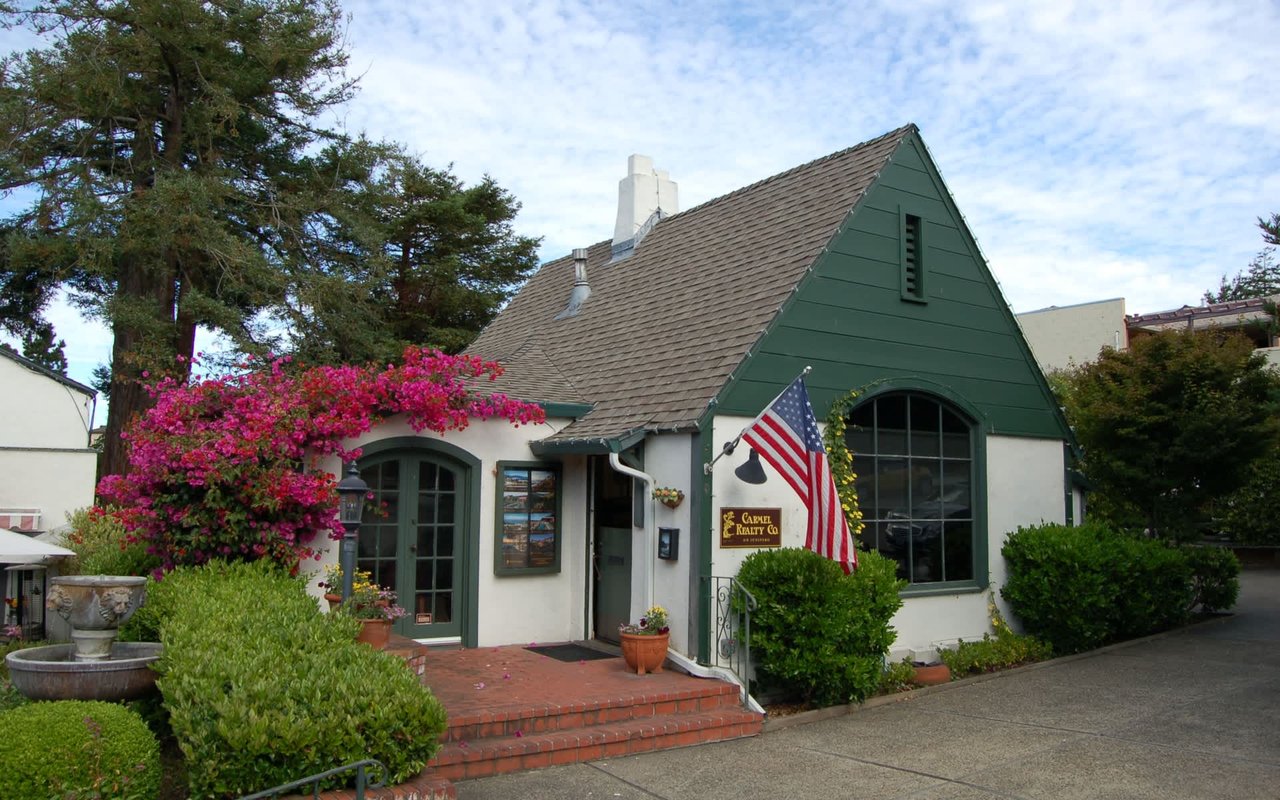
If you are preparing to sell a legacy cottage in Carmel, you are not just listing a house. You are often handling years of history, family memory, and a property that may carry architectural or local significance beyond its size. That can feel personal and complex, especially if the home is in a trust, part of an estate, or simply rich with original character. This guide will help you think through the process with care, from documenting the home’s story to navigating local review, disclosures, and timing. Let’s dive in.
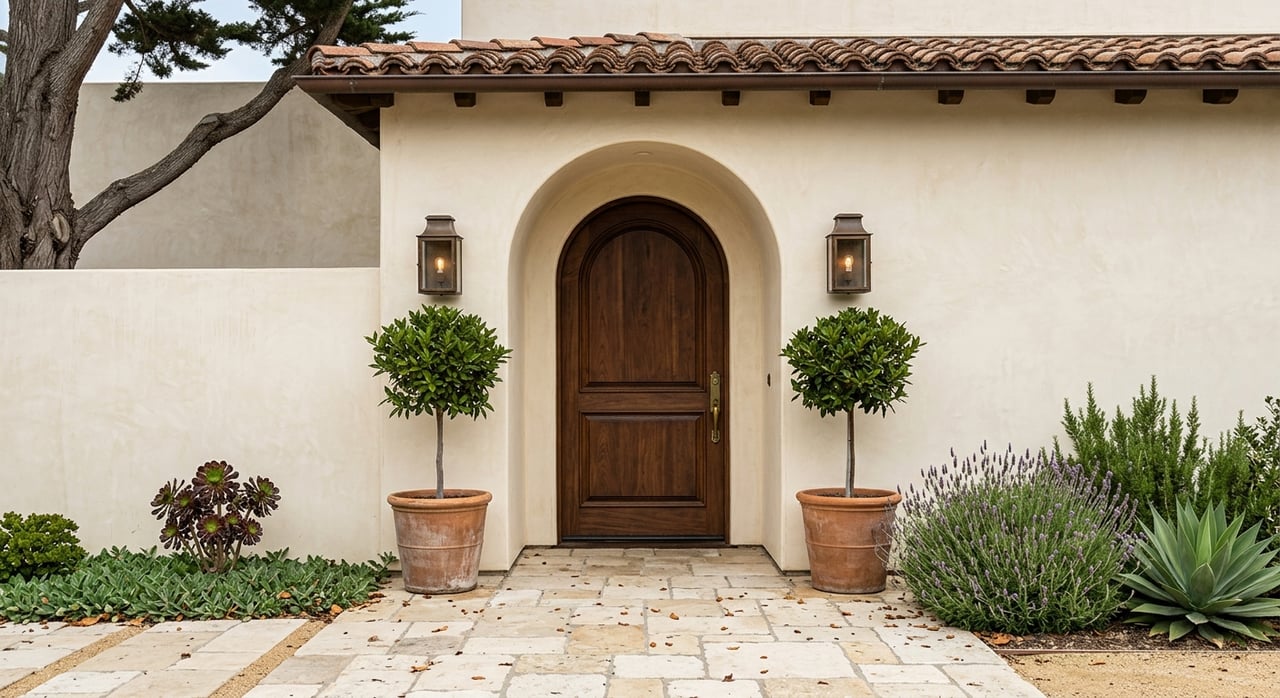
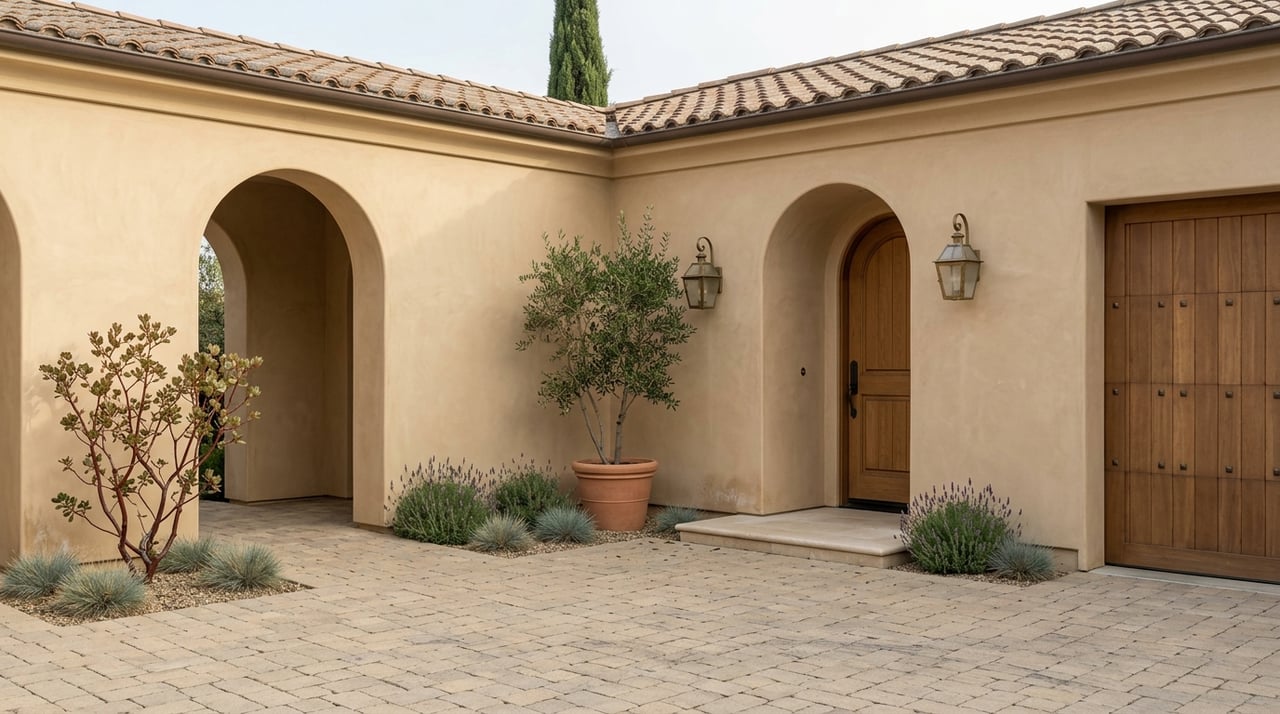
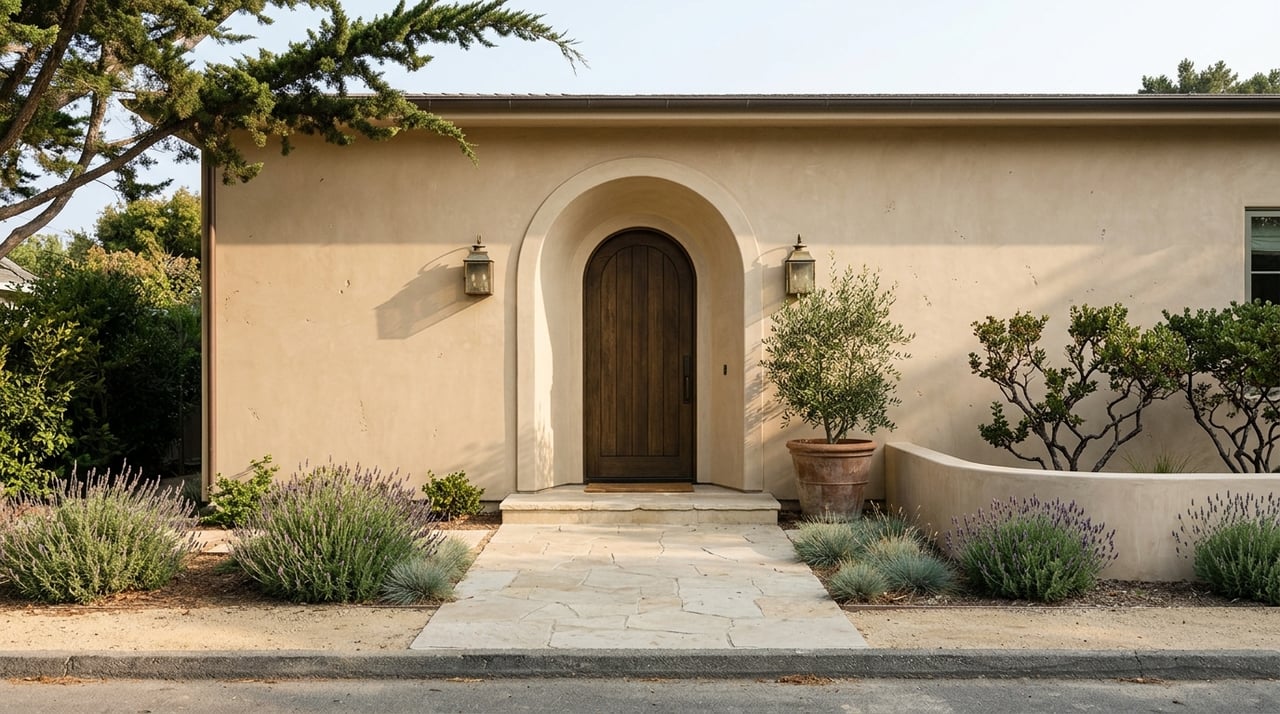
In Carmel-by-the-Sea, legacy cottages are often treated differently than standard resale inventory because the city has a preservation-first framework. The city’s historic preservation program is designed to identify and preserve resources that reflect Carmel’s architectural and cultural identity, and its Historic Context Statement and Inventory of Historic Resources include many early 20th-century cottage-scale homes.
That matters when you sell because buyers are often drawn to these homes for their character, not for a blank-slate remodel opportunity. It also means your selling strategy should begin with stewardship. Before you make updates or go live, it helps to understand how the home may be viewed through the lens of local preservation rules.
One of the most important early steps is confirming whether the property is on Carmel’s Inventory of Historic Resources, or whether it may still require review because of its age. According to the city, exterior alterations such as roofs, siding, windows, and additions require a historic-status evaluation before development review, and listed properties are reviewed by the Historic Preservation Consultant and approved by the Historic Resources Board.
Even if the cottage is not formally listed, the city notes that a home more than 50 years old may still need a historic evaluation before exterior permits are issued. You can review the city’s historic preservation guidance and code compliance FAQ to understand how this applies.
This step is especially important if you are an heir or trustee who assumes that “not designated” means “no review.” In Carmel, that assumption can create delays if you plan last-minute exterior work before listing.
For many Carmel buyers, provenance matters. A well-documented cottage can feel more legible, more credible, and more meaningful when its history is thoughtfully presented.
The city’s local history resources and GIS mapping tool can help you gather the home’s APN, recorded deeds, permit history, plans, old photos, and planning-file records. Carmel’s local history guide also points to deed lists, building permits, Sanborn maps, newspapers, and other archival materials that can help verify the home’s timeline.
Useful records to gather before listing include:
These details can help you and your real estate team present the home accurately. They can also reduce confusion if buyers have questions about age, additions, or prior improvements.
Carmel sits entirely within the coastal zone and operates under a certified Local Coastal Program that includes residential design guidelines. For sellers, that means even modest exterior changes may have local review implications.
If you are considering pre-sale work, it is wise to think carefully before replacing windows, altering siding, changing trim details, or expanding outdoor improvements. What seems like a simple refresh in another market may require more thought in Carmel.
A measured approach usually serves legacy sellers best. Instead of trying to modernize the cottage all at once, focus on preserving what makes it distinctive and marketable.
When a cottage has charm, over-improving it can work against you. Carmel’s guidance is clear that changes to window materials, size, and placement require Planning Department approval, and the city notes that unclad wood windows with external divided lights are the local standard.
That is one reason repair-first work is often the smarter path. Thoughtful paint maintenance, trim repair, selective cosmetic improvements, and compatible materials tend to align more closely with Carmel’s preservation approach than broad stylistic remodels.
Before making updates, ask practical questions like:
For many legacy cottages, presentation is less about reinvention and more about careful editing. The goal is to show the home at its best while respecting the details that make it distinctly Carmel.
Older homes often come with more disclosure items, and that is normal. It does not mean the property is flawed. It means you are handling the sale responsibly.
According to the California Department of Real Estate, sellers of most one-to-four-unit residential properties must provide a Real Estate Transfer Disclosure Statement and disclose material facts, including environmental hazards. For homes built before 1978, federal lead rules also require disclosure of known lead hazards and reports, delivery of the EPA pamphlet, and a 10-day opportunity for buyers to inspect for lead hazards.
The DRE also identifies hazards that may be relevant in older homes, including:
For a legacy cottage, the best mindset is transparency. Clear, organized disclosures help buyers understand the home in context and can support a smoother transaction.
If the cottage is inherited or held in a trust, your timeline should start earlier than you may expect. Before the property goes live, it helps to confirm who has authority to sign, what documents are needed, and whether assessor filings have been completed.
Monterey County states that when an owner dies and property transfers through probate or trust, the successor trustee or personal representative must file a Death of Real Property Owner - Change in Ownership Statement in a timely manner to avoid reassessment issues.
This is not something to leave until the listing is ready. Early coordination with your attorney, title company, and real estate team can help prevent delays later, especially when multiple heirs or family decision-makers are involved.
Property taxes are often one of the biggest concerns in a legacy sale. Proposition 19 can affect inherited family homes, replacement residences, and the timing of ownership changes.
According to the California Board of Equalization, for transfers from February 16, 2025, through February 15, 2027, the intergenerational transfer amount is $1,044,586 above the property’s factored base-year value. To keep the exclusion in place, the transferee must apply for the Homeowners’ or Disabled Veterans’ Exemption within one year, and the property must continue as the transferee’s principal residence.
The BOE also explains that when a family home is transferred to two children, both do not need to live there, but at least one eligible transferee must continually occupy the property. Rental homes do not qualify for the intergenerational exclusion under Proposition 19.
If you are selling your own principal residence rather than an inherited one, Monterey County notes that Proposition 19 may also allow certain homeowners age 55 or older, severely disabled homeowners, and disaster victims to transfer assessed value to a replacement primary residence in California, generally if the replacement home is purchased within two years. The county also notes eligible homeowners may use this benefit up to three times.
Because tax outcomes depend on the facts of your situation, early coordination is essential. In practice, this means getting your assessor, attorney, and title professionals involved before decisions are made around occupancy, transfer timing, or a future purchase.
A legacy cottage deserves a custom approach. In Carmel, that often means combining factual preparation with careful presentation.
A thoughtful selling plan may include:
This kind of preparation can help you avoid rushed decisions. It also positions the home in a way that respects both its story and the expectations of today’s buyers.
Selling a Carmel cottage is often about more than price alone. It is also about timing, discretion, documentation, presentation, and understanding how local rules shape the path to market.
When the property carries family history or architectural character, small decisions can have an outsized impact. The right guidance helps you move forward with clarity while preserving the details that matter most.
If you are thinking about selling a legacy cottage in Carmel and want a careful, locally informed plan, The Profeta Team offers private consultation, concierge-level guidance, and tailored marketing for distinctive Peninsula properties.
Stay up to date on the latest real estate trends.


We welcome the opportunity to guide you in realizing your Real Estate goals and are grateful for the clients for whom we have already had the privilege to help.
The Profeta Team
(831) 601-3207
[email protected]
Junipero Between 5th & 6th Ave
Carmel, CA 93921
Judie Profeta | CA DRE# 00703550
Julia Humason | CA DRE# 10872599
Rob Profeta | CA DRE# 01313907