Walk to Village Carmel Living: What to Expect
December 4, 2025
December 4, 2025
Imagine swapping car keys for sandy morning walks, café runs, and gallery browsing all within a few charming blocks. If you are considering a home near Carmel‑by‑the‑Sea’s village core, you are likely seeking a slower rhythm, a rich sense of place, and daily errands on foot. This guide shows you what to expect, from housing types and permitting to parking, tourism, and insurance, so you can decide if the walk‑to‑village lifestyle fits your goals. Let’s dive in.
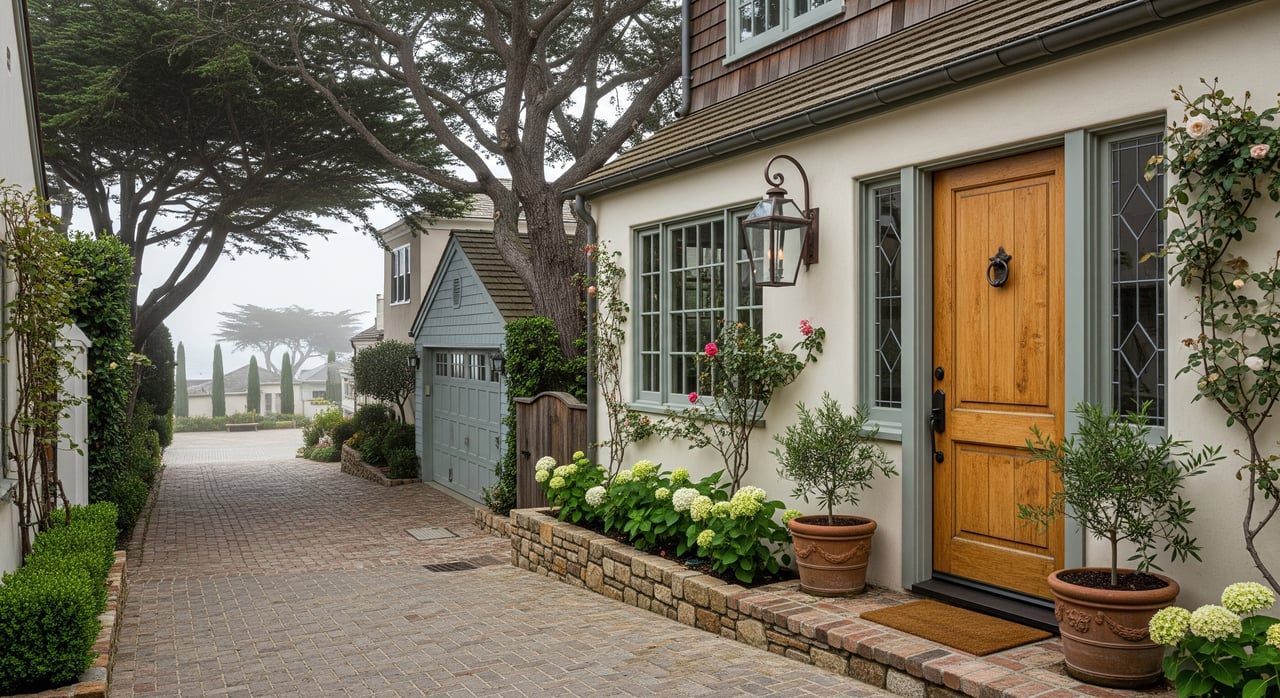
Living near Carmel’s village means short blocks, an intimate scale, and a strong pedestrian vibe. The town spans about 1 square mile with roughly 3,700 to 3,900 residents, so it feels personal and highly accessible. You can stroll to Ocean Avenue for shops, galleries, and restaurants, unwind in Devendorf Park, and reach Carmel Beach on foot from many village‑area streets.
You will find small grocery and specialty food options in town. For larger supermarkets and broader services, you will likely take a short drive to Monterey or Carmel Valley. The overall rhythm is relaxed, social, and outdoorsy, especially if you love the beach, art, and dining out.
It may not be ideal if you need large lots, extensive on‑site parking, or frequent access to big‑box shopping without a quick drive.
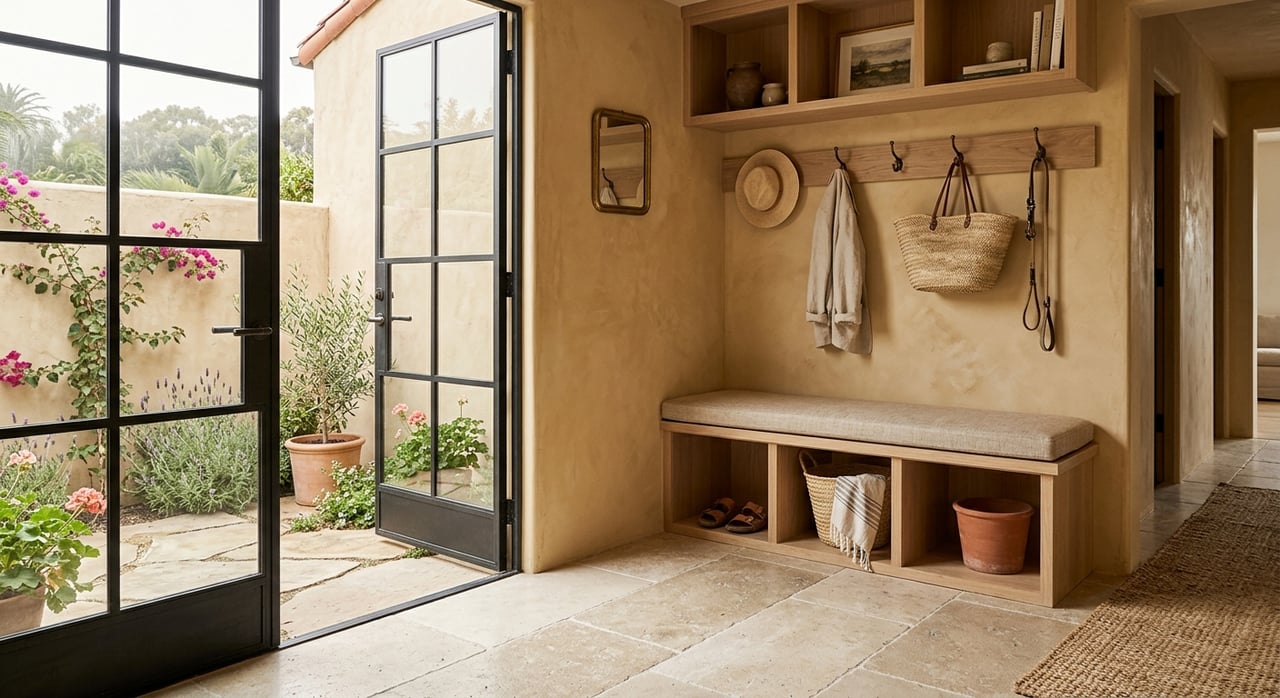
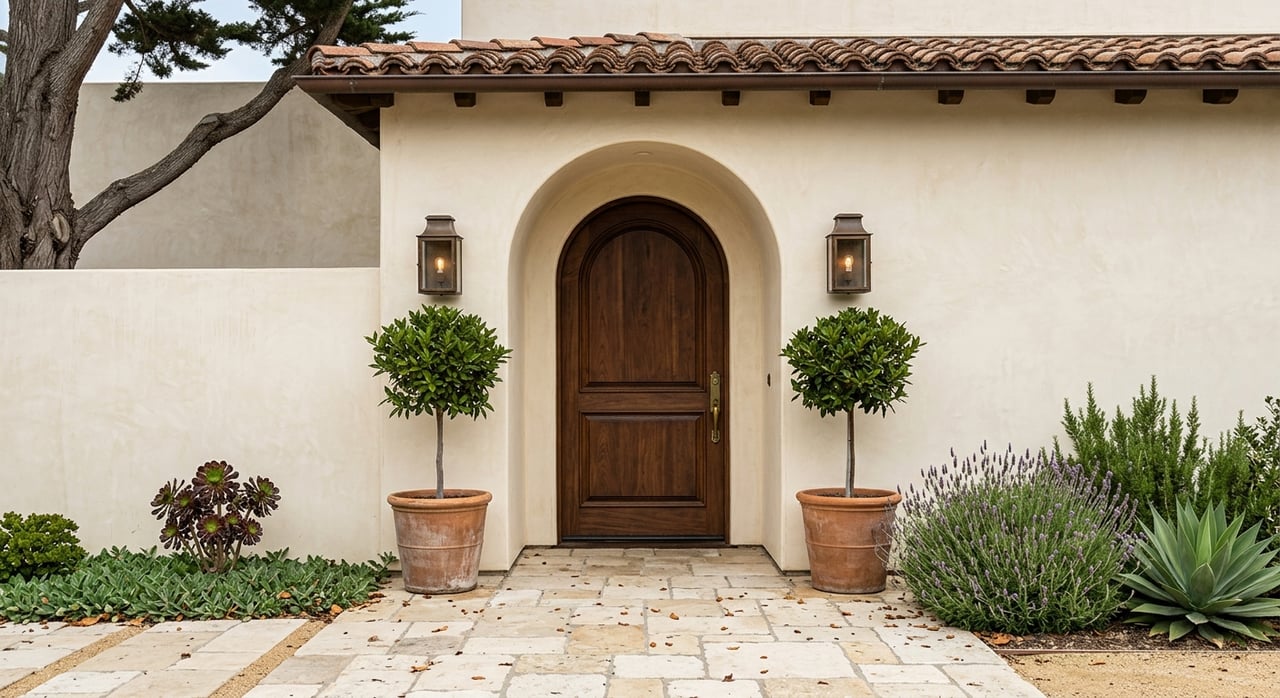
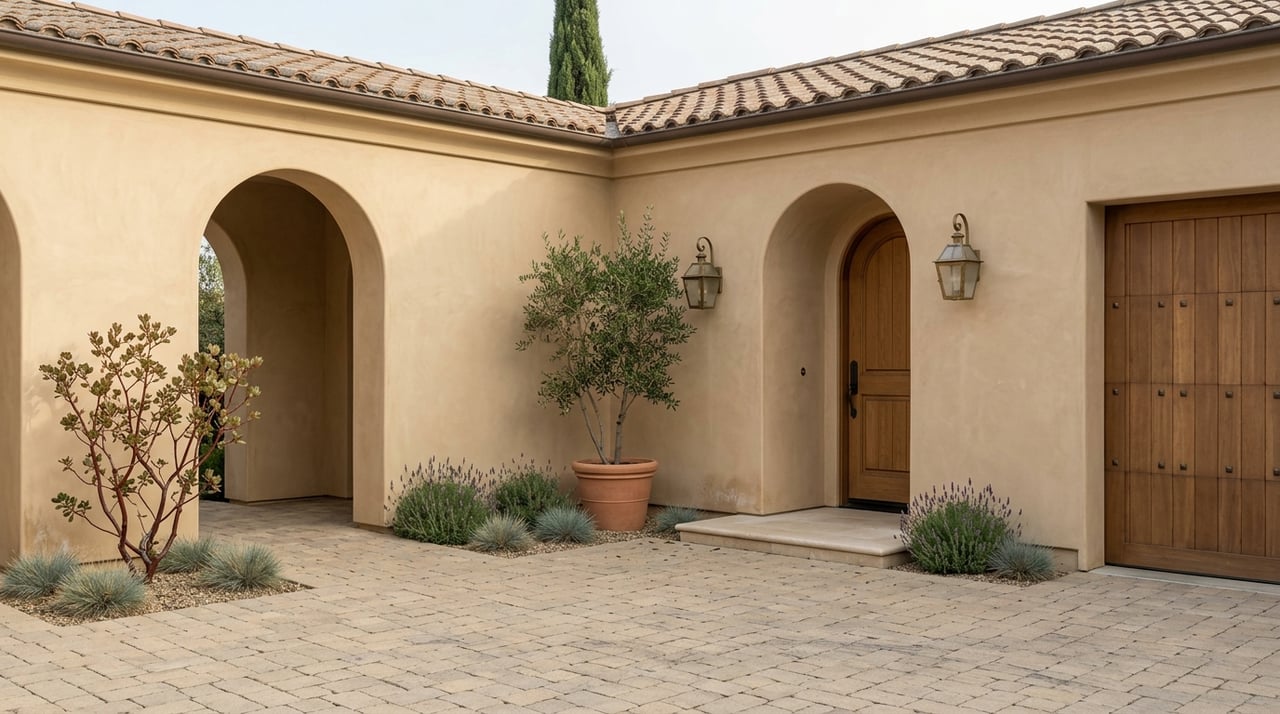
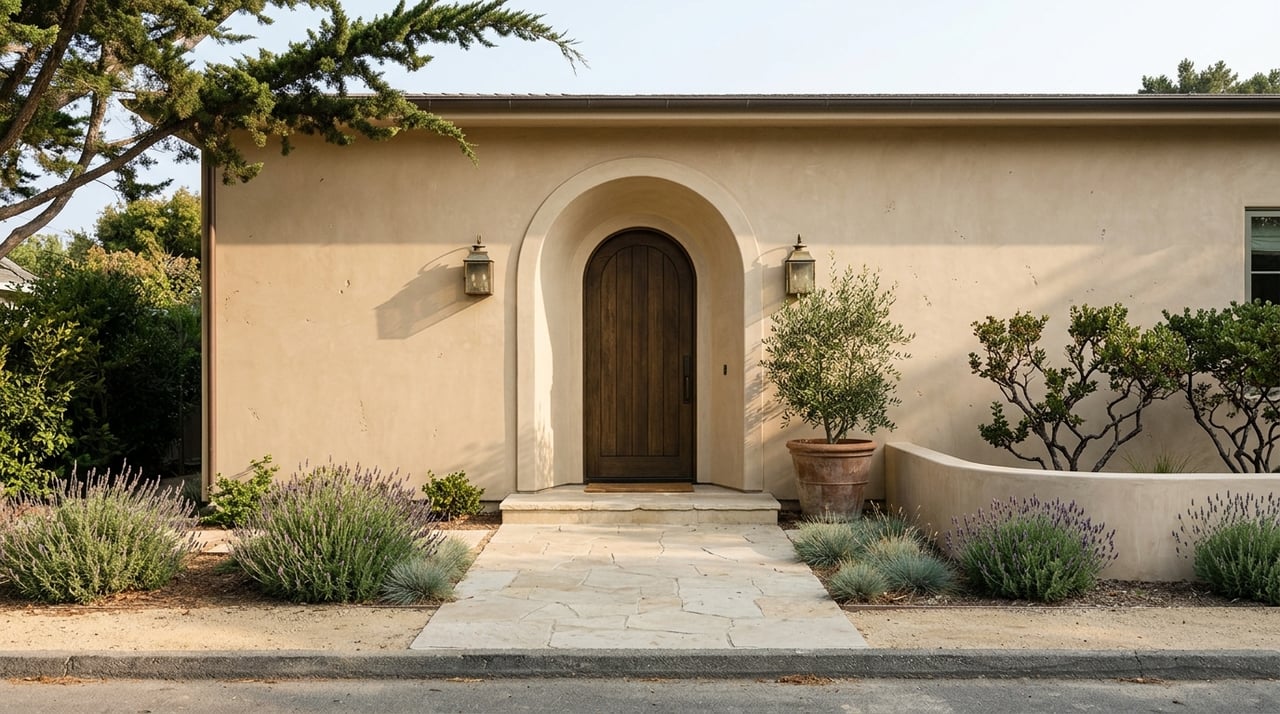
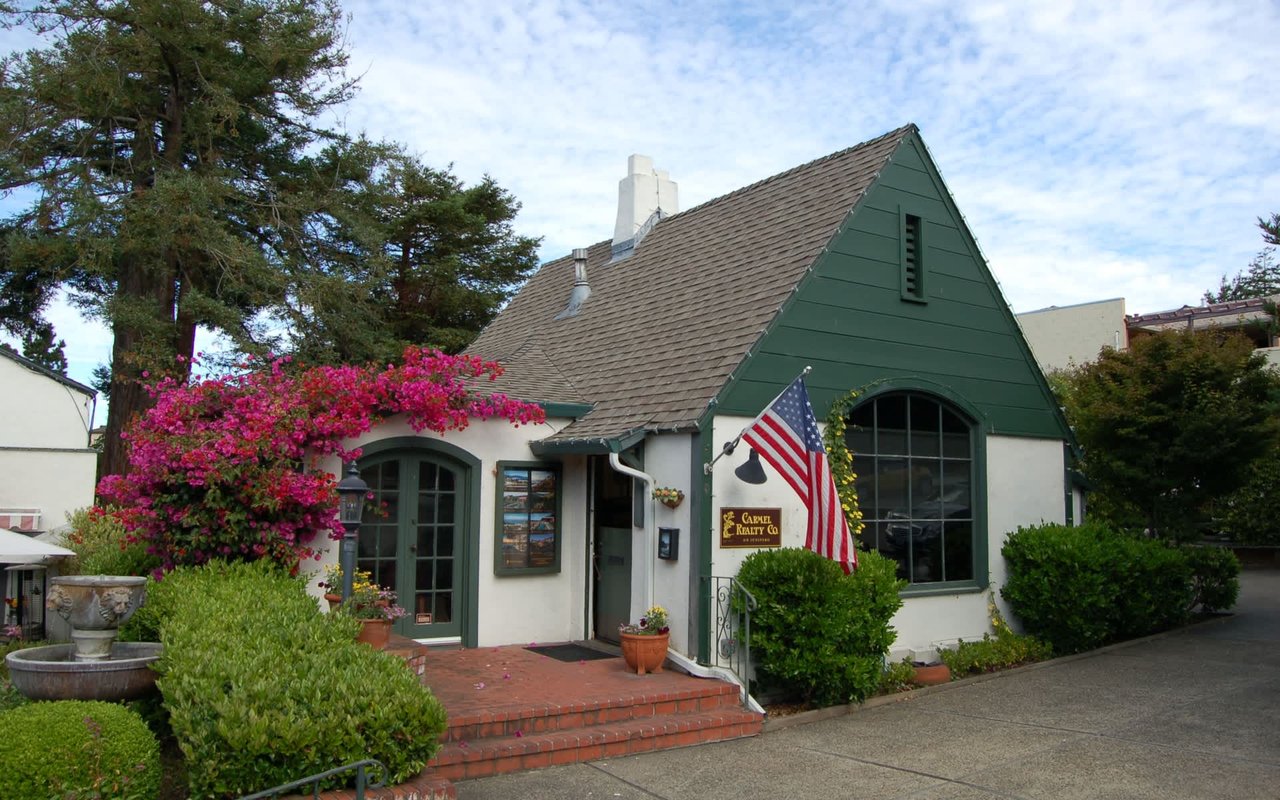
Expect cottage‑scale architecture and character. Many homes are small single‑family cottages, bungalows, and historic residences on compact parcels. You will also see a few newer or rebuilt homes, plus a limited number of condominiums and townhomes.
Older cottages often come with quirks. Nonstandard layouts, small kitchens or baths, and idiosyncratic spaces are common. Plan for updates and a thoughtful approach to preserving character while improving comfort, energy efficiency, and safety.
Market dynamics tend to be high value and thinly traded. Desirable village properties can draw strong interest. Many buyers are from out of the area, some are cash purchases, and others use jumbo financing. Timelines vary by price and condition, so preparation and expert guidance are key if you want to move decisively.
Financing often involves jumbo loans with stricter underwriting, including detailed income documentation and cash reserve requirements. Property taxes follow Monterey County and California rules, including Prop 13. Always review parcel tax history and any supplemental assessments with the county assessor.
If you are considering a condo or townhome, review the HOA carefully. Look at CC&Rs, reserves, regular and special assessments, rental restrictions, insurance coverage, and any current or pending litigation.
Parking is part of the tradeoff for walkability. Many village properties have limited on‑site parking, so residents often rely on street parking or nearby public lots. Confirm on‑site spaces and assess daytime and evening parking patterns on your block before you commit.
Tourism is part of the lifestyle. Weekends, holidays, and event weeks can bring crowds, heavier traffic, and more competition for parking. Noise levels vary by block. Walk the neighborhood during peak times to gauge your comfort with activity near restaurants and shops.
Carmel’s coastal climate is mild. Expect cool, foggy mornings in summer, sunny breaks by afternoon, and generally moderate winters. It is often cooler near the water than inland in Carmel Valley, so plan your outdoor spaces and plantings for a coastal environment.
Utilities and connectivity need attention, especially in older cottages. Electrical, plumbing, and structural upgrades are common. Confirm your service providers for electricity, internet, and waste collection, and budget for modernization where needed.
For dog owners, Carmel is widely known to be dog‑friendly in public spaces, including the beach, but rules can change. Always review current municipal leash and beach use ordinances.
Carmel protects its village character carefully. Exterior changes often require design review, and some parcels require historic review. These steps can extend timelines and add complexity, so plan renovation budgets and schedules accordingly. Pre‑application consultations with city planning are a smart early step.
Coastal considerations matter for properties near the bluffs or beach. Certain projects may require additional review, especially if they could affect public access, erosion, or shoreline conditions. Sea‑level rise and bluff stability are active policy areas, so evaluate coastal hazard maps and any recorded geologic conditions for parcels close to the water.
Short‑term rental rules are specific and can change. Permitting, occupancy limits, and enforcement vary by zone and property type. If you are counting on rental income, verify the current ordinance and process with the City of Carmel‑by‑the‑Sea before you rely on it in your financial plan.
Parking and curb regulations can affect improvements. Curb cuts, new driveways, or changes that shift public right‑of‑way to private use often face restrictions. Confirm feasibility before you design plans that depend on new parking solutions.
Permits are required for most significant utility upgrades. Older systems may need electrical, plumbing, structural, and energy code improvements. If a home has legacy systems or unusual service lines, verify status and requirements early.
Wildfire and coastal conditions influence coverage and costs. Parcels on the Monterey Peninsula can face seasonal wildfire risk and smoke events. Insurers may require defensible space or other mitigation measures. Review CAL FIRE hazard maps and secure quotes before you make an offer.
Coastal hazards are real for bluff‑side and beach‑adjacent homes. Erosion, storm surge, and sea‑level rise may shape building setbacks and future improvements. For properties near the shoreline, expect to review geotechnical reports and consult FEMA flood maps to understand floodplain status and insurance options.
Seismic risk is part of living in California. Older foundations, unreinforced elements, and masonry may need retrofits. A seismic evaluation can guide your due diligence and budgeting.
Use this list to focus your pre‑offer and inspection process:
Preparation and presentation are everything in a high‑value, character‑driven market.
Daily life is supported by nearby regional amenities. For routine medical needs and hospital care, you will look to providers in Monterey and Salinas. Monterey Regional Airport offers regional flights, and larger airports in the Bay Area are a longer drive. The Monterey–Salinas Transit system provides bus service around the peninsula. Families explore options through the Carmel Unified School District and local private schools. Always verify the most current routes, services, and enrollment policies.
Start with your daily routine. If your ideal day includes walking to coffee, pausing at a gallery, and catching a beach sunset on foot, the village lifestyle will likely delight you. If you need substantial on‑site parking, a large yard, or instant access to big‑box retailers, you will want to balance those needs with the benefits of walkability.
Pair your lifestyle goals with realistic expectations about inventory, financing, permitting, and insurance. When you are ready, a local expert can help you interpret block‑by‑block nuances, anticipate design review, and craft a plan that protects the qualities you value most.
Ready to take the next step or want a discreet conversation about your property? Connect with The Profeta Team for a complimentary home valuation and private consultation.
Stay up to date on the latest real estate trends.

We welcome the opportunity to guide you in realizing your Real Estate goals and are grateful for the clients for whom we have already had the privilege to help.
The Profeta Team
(831) 601-3207
[email protected]
Junipero Between 5th & 6th Ave
Carmel, CA 93921
Judie Profeta | CA DRE# 00703550
Julia Humason | CA DRE# 10872599
Rob Profeta | CA DRE# 01313907