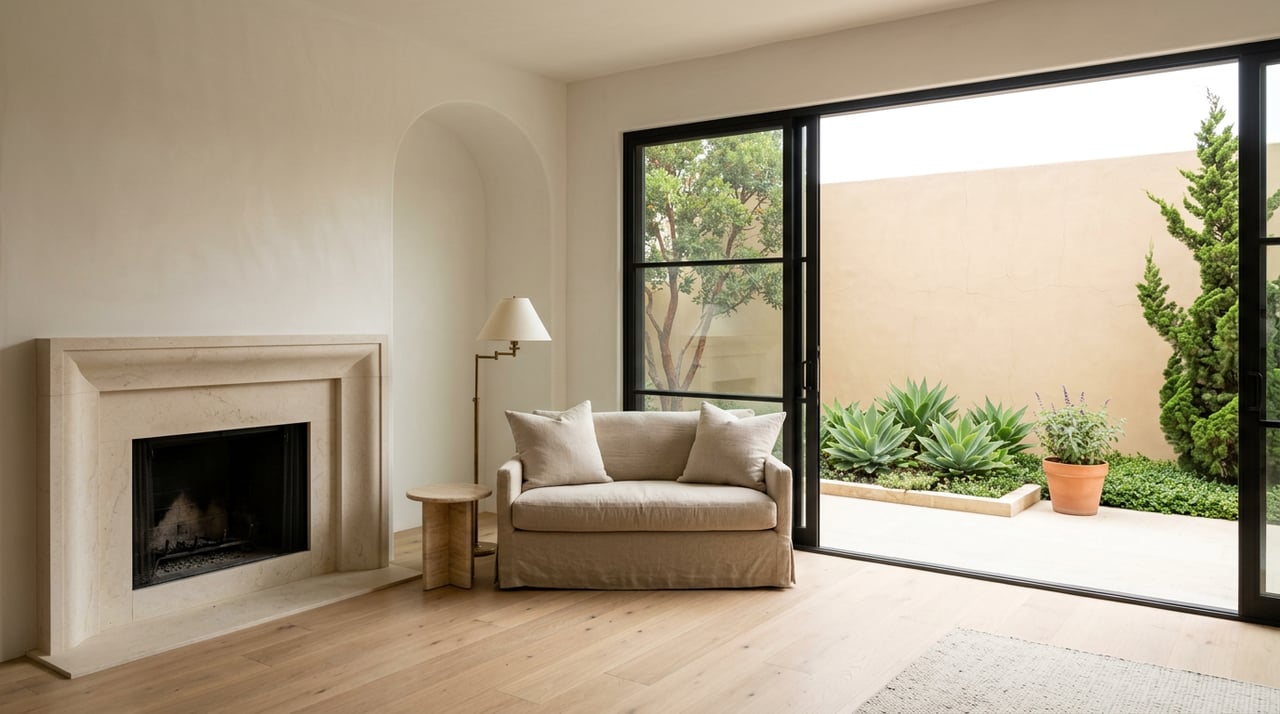
Carmel Oceanfront vs Village Homes For Buyers
March 5, 2026
March 5, 2026
Picture yourself in Carmel-by-the-Sea: do you wake up to waves rolling beneath your window, or stroll a few minutes to cappuccino and galleries on Ocean Avenue? Choosing between an oceanfront home on Scenic Road and a village cottage near the heart of town is one of the biggest lifestyle calls you will make. The right fit balances daily rhythm, privacy, maintenance, long-term risk, and value. In this guide, you will learn the real tradeoffs, key costs, and a practical due-diligence checklist, all tailored to Carmel. Let’s dive in.
If you want direct beach access and sweeping views, the Scenic Road corridor is unmatched. Many parcels sit beside public bluff paths and beach stairways, so you can be on the sand in minutes. The setting delivers a strong sense of place with constant ocean drama and wildlife. You should also expect more visitor activity along the public walkway and limited on-street parking on narrow bluff stretches, especially on fair-weather days. The City’s Local Coastal Program protects public access and recreation, which shapes how oceanfront homes live and how they can be improved over time. You can review the City’s coastal planning framework on the Local Coastal Program page at the City of Carmel website (ci.carmel.ca.us/post/local-coastal-program).
For a feel of the public path proximity and flow, explore the Scenic Road Walkway map to see where access points concentrate visitors (mapquest.com/us/california/scenic-road-walkway-528565095).
Oceanfront homes blend seaside remodels with high-end contemporary builds that open to the view. Many have expansive glazing, decks, and structural upgrades to handle bluff or slope conditions. If you are drawn to open plans that frame the ocean, Scenic Road often delivers. Factor in higher design and engineering costs when planning improvements.
Your ocean-facing rooms enjoy private views, but the bluff path and beach entries invite day visitors and walkers to your front edge. Public access is a core coastal value in Carmel. City policies and the coastal program protect those rights and can limit privacy features on the seaward side. Understanding this balance early helps set expectations for fencing, landscaping, and sightlines.
Oceanfront blocks feel the marine layer and onshore breezes first. Mornings can be foggy and cool, and afternoons can be windy. Salt spray and mist reach decks, windows, and hardware more often than inland streets. If you prefer steadier warmth, inland blocks can be more comfortable. Review Monterey Peninsula weather patterns, then test homes at different times of day to confirm how the site feels in real life (californiatravelbook.com/weather/monterey-weather-by-month). For a local take on block-by-block conditions in Carmel, read this overview on microclimates from The Profeta Team (theprofetateam.com/blog/carmel-microclimates-explained-for-home-shoppers).
Sea-level rise, beach change, and bluff retreat are active planning topics in Carmel. The City’s Coastal Adaptation Project explains how hazard policies are evolving and why site-specific assessments matter near the shoreline (ci.carmel.ca.us/post/coastal-adaptation-project-sea-level-rise-update). A key rule in the Beach and Riparian Overlay is that new development cannot be approved if it would require shoreline armoring within 100 years based on geologic evidence. That standard directly affects feasibility for some bluff-front projects. Review the overlay regulations to understand setbacks, parking, and other requirements that apply in this zone (ecode360.com/47043765).
Salt and wind accelerate wear on coastal homes. Expect faster paint weathering, more corrosion on metal fasteners and railings, and shorter exterior hardware life. FEMA’s coastal building guidance reinforces the need for corrosion-resistant materials and regular maintenance cycles in marine settings (fema.gov/emergency-managers/risk-management/building-science/hurricanes-OLD). If a property sits in a mapped high-risk flood zone, your lender may require flood insurance. It is smart to pull parcel-specific FEMA map prints and request early insurance quotes, including private options where available. Here is a simple resource that explains how to check a flood zone and plan next steps (iere.org/how-to-check-if-property-is-in-flood-zone).
Ocean-facing properties and Golden Rectangle addresses often command a substantial premium over the town median because of views and proximity to the beach. In a small, supply-constrained market with many second homes, a few headline sales can skew perceptions of movement. Focus on micro-location comps and the specifics of each parcel when you assess value.
If you love a morning pastry, gallery strolls, and dinner reservations a short walk from home, the village streets around Ocean Avenue deliver that daily convenience. You can leave the car parked for much of your stay. The tradeoff is more visitor activity and tighter parking on busy weekends, with smaller private yards on many lots.
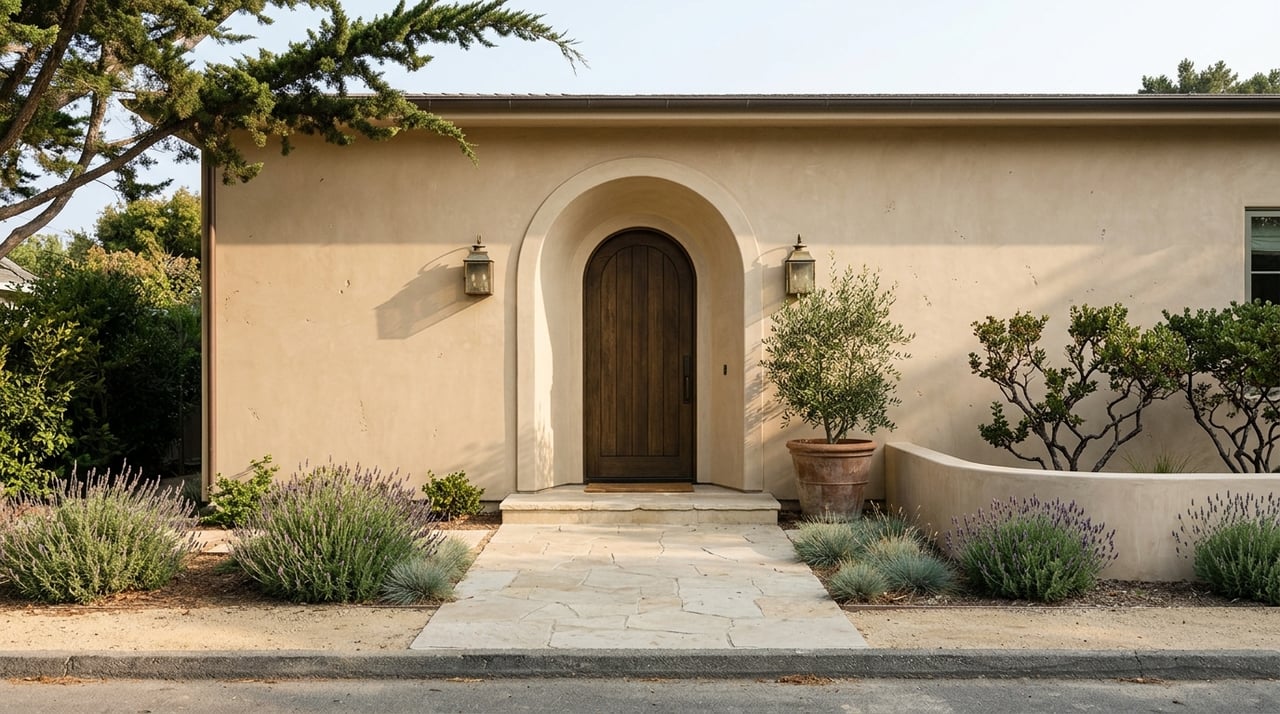
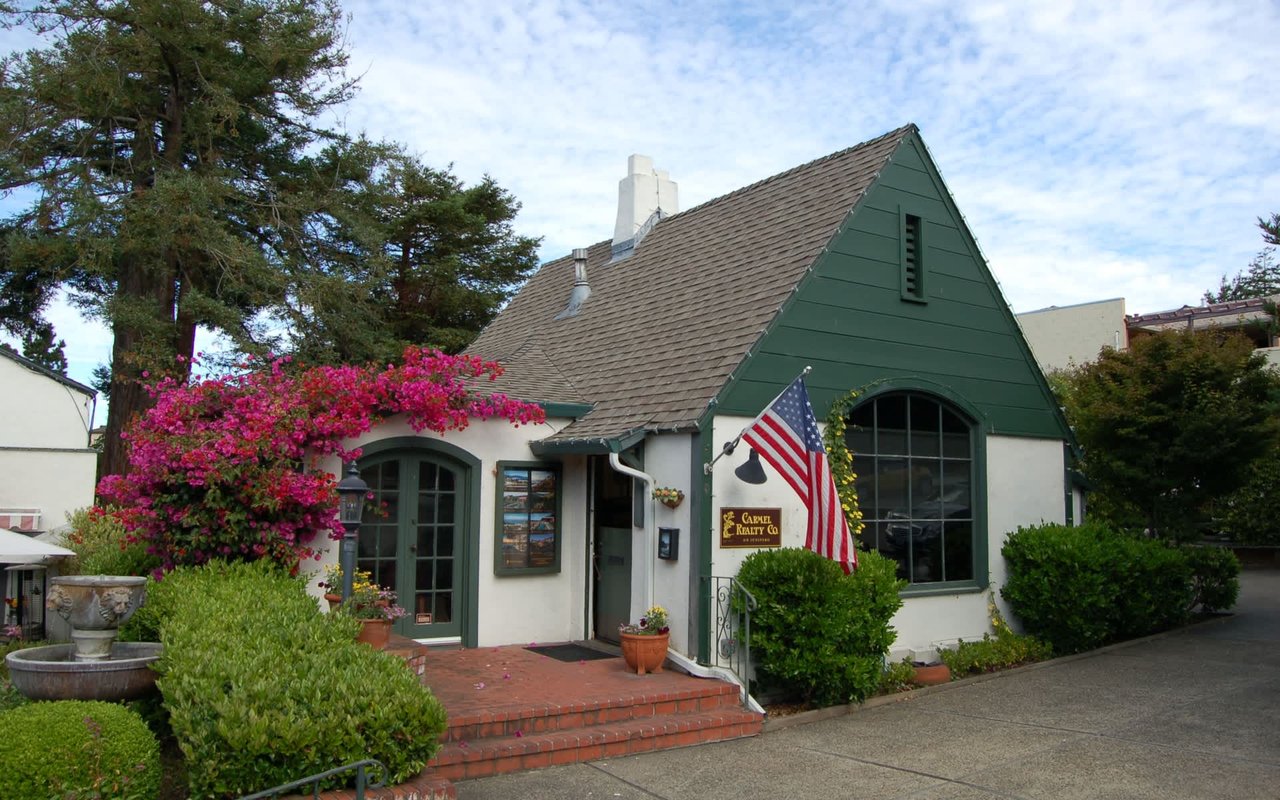
Carmel’s central grid is known for its fairytale cottages, Craftsman elements, and Spanish Revival details that create a distinct storybook feel. Many homes appear historic and are regulated to preserve neighborhood character. If a classic cottage with charm is your goal, start here.
The commercial core concentrates visitors, so homes one or two blocks inland often feel quieter than those on the main avenues. Orientation and lot choice matter. You trade expansive ocean views for a calmer street scene and quick access to services.
Inland blocks can be sunnier and warmer, especially on south-facing streets. You still benefit from cool summer highs, but you tend to avoid the strongest salt spray and wind that the bluffs receive. Touring potential homes morning and afternoon helps you feel the difference on your target block. For a deeper local read on how Carmel’s microclimates vary within just a few streets, see this overview from The Profeta Team (theprofetateam.com/blog/carmel-microclimates-explained-for-home-shoppers).
Most exterior projects in Carmel require design review, and many will also need a coastal development permit because the entire city lies within the coastal zone. The municipal code sets review categories that may involve staff or Planning Commission hearings, depending on scope. Plan for added time to honor neighborhood character and public access protections (ecode360.com/47045476).
If you plan to add space or build an ADU, be aware that local water allocation policies can limit project size and timing. Recent council actions have tied some new water allotments to local floor-area rules. Check the latest policy context early so your project and underwriting align with what is feasible (citizenportal.ai/articles/6760178/Carmel-by-the-Sea/Monterey-County/California/Carmel-council-adopts-amended-water-allocation-limits-newwater-ADUs-to-parcels-within-local-floorarea-rules).
The village core also commands strong pricing thanks to its limited footprint, charm, and convenience. Values vary street by street. You can find significant spreads between a cottage near Ocean Avenue and a similar home a few blocks farther inland. Assess premiums in context of walkability, lot size, parking, and renovation potential.
Use these prompts to pressure test your priorities before you tour homes:
Before you make an offer, request and review the following items so you understand risk, cost, and feasibility for your chosen micro-location:
If beach access and horizon views anchor your daily joy, an oceanfront or near-ocean parcel may be worth the premium and added upkeep. If you crave a short, charming walk to dining and services with a bit more sun and shelter, the village streets are likely your match. Many buyers start with a clear preference, then fine tune as they experience specific blocks. Touring at different times of day and reviewing the items above will quickly clarify your path.
When you are ready to explore, you deserve a team that understands every microclimate, overlay, and permit nuance. With deep local experience and a concierge approach, we guide you to the right fit while protecting your long-term interests.
To talk through your goals, or to assess a specific address, reach out to The Profeta Team. Request Your Complimentary Home Valuation & Private Consultation at theprofetateam.com.
Stay up to date on the latest real estate trends.
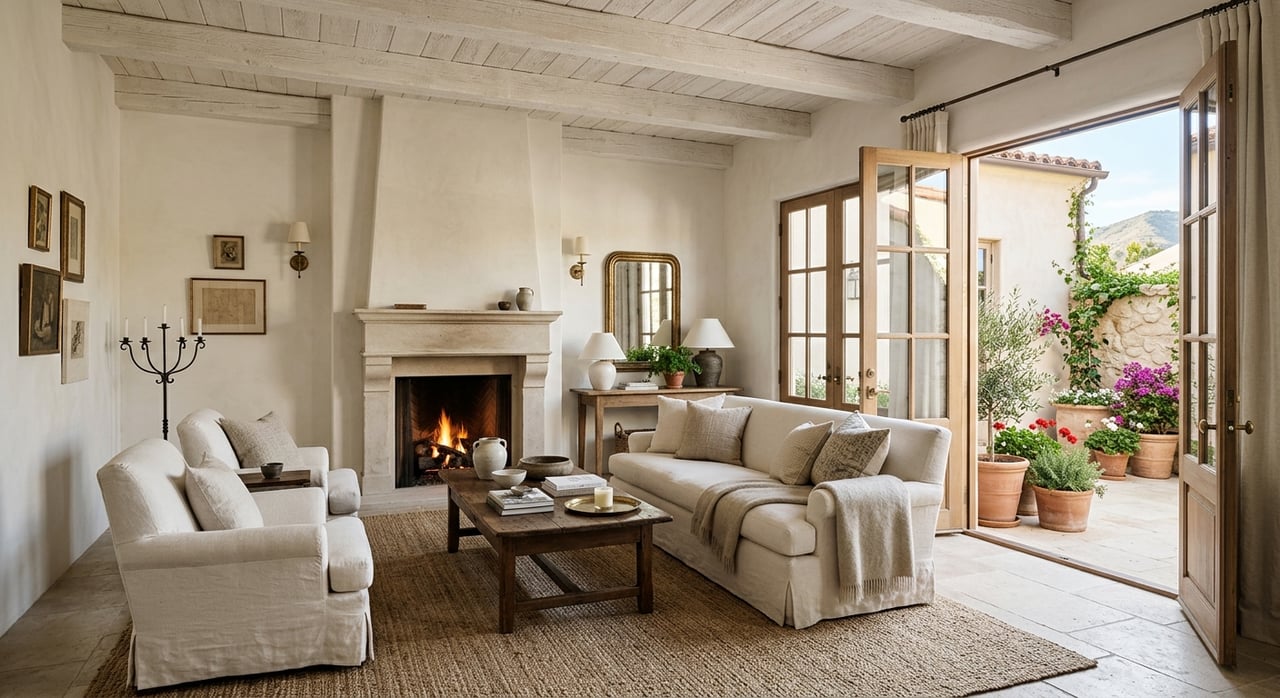
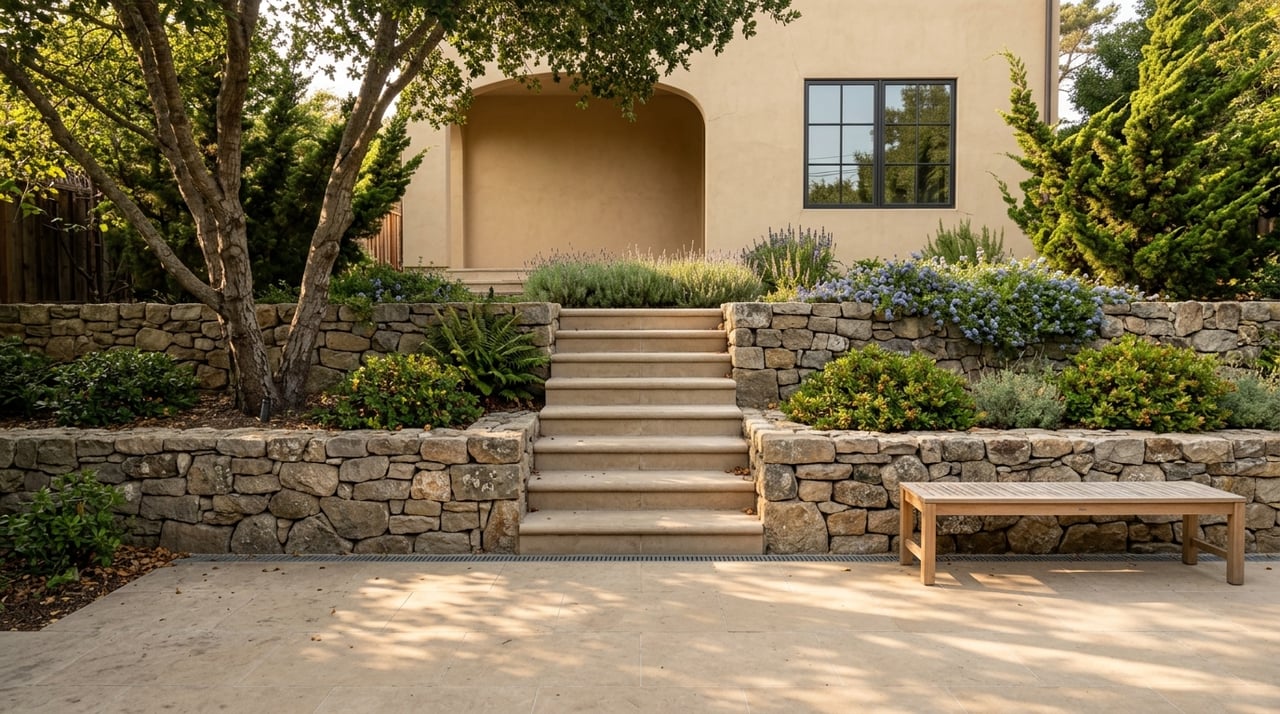
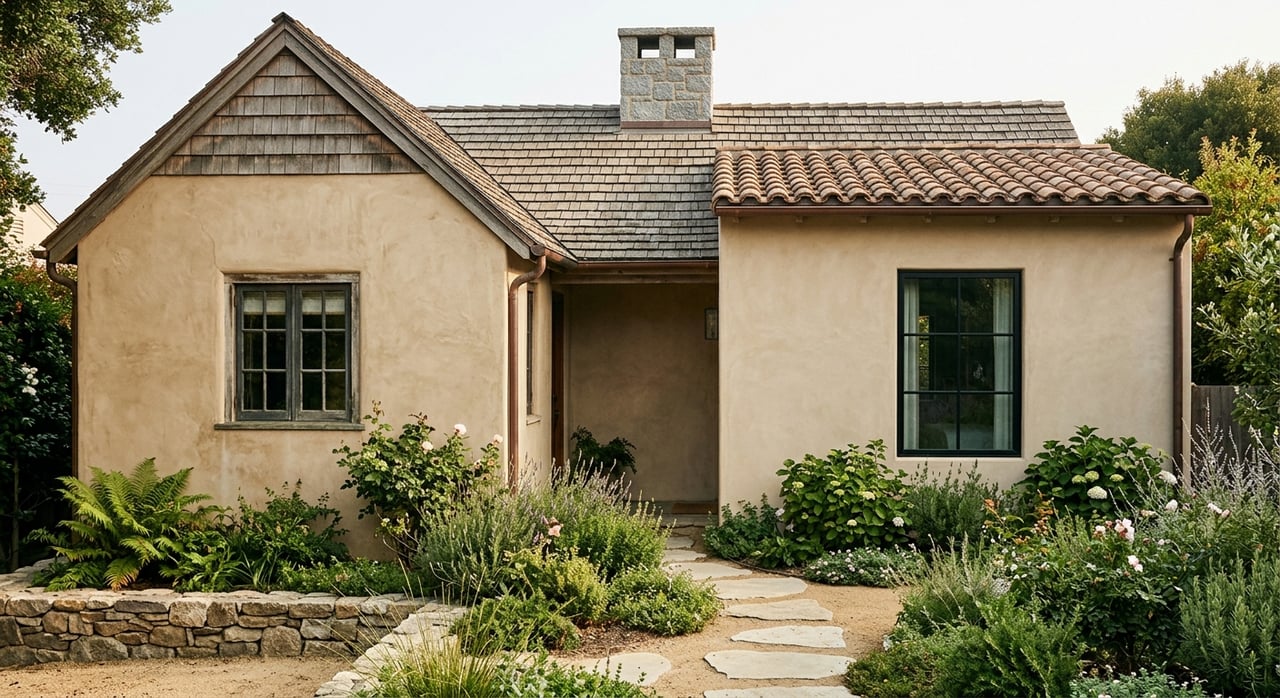
We welcome the opportunity to guide you in realizing your Real Estate goals and are grateful for the clients for whom we have already had the privilege to help.
The Profeta Team
(831) 601-3207
[email protected]
Junipero Between 5th & 6th Ave
Carmel, CA 93921
Judie Profeta | CA DRE# 00703550
Julia Humason | CA DRE# 10872599
Rob Profeta | CA DRE# 01313907